
Supreme Court Rape Acquittal: Medical Evidence Contradicts Victim Testimony
Summary
- The Supreme Court of India acquitted a man previously sentenced to 15 years for rape, overturning a Gauhati High Court decision.
- The Court ruled that the victim's sole testimony lacked "sterling character" due to contradictions from medical evidence and a co-witness.
- Medical examinations showed no injuries or signs of intercourse, directly conflicting with the victim's allegations.
- A confession made by the accused in police custody was deemed inadmissible under Section 26 of the Indian Evidence Act, 1872.
- The ruling reiterates that a rape conviction based solely on victim testimony requires that testimony to be of "sterling character," meaning it must be inherently credible and consistent.
Supreme Court Overturns Rape Conviction
This ruling by the India Supreme Court reinforces a fundamental principle in criminal jurisprudence: for a conviction in a rape case to rest solely on the testimony of the victim, that testimony must be of "sterling character."
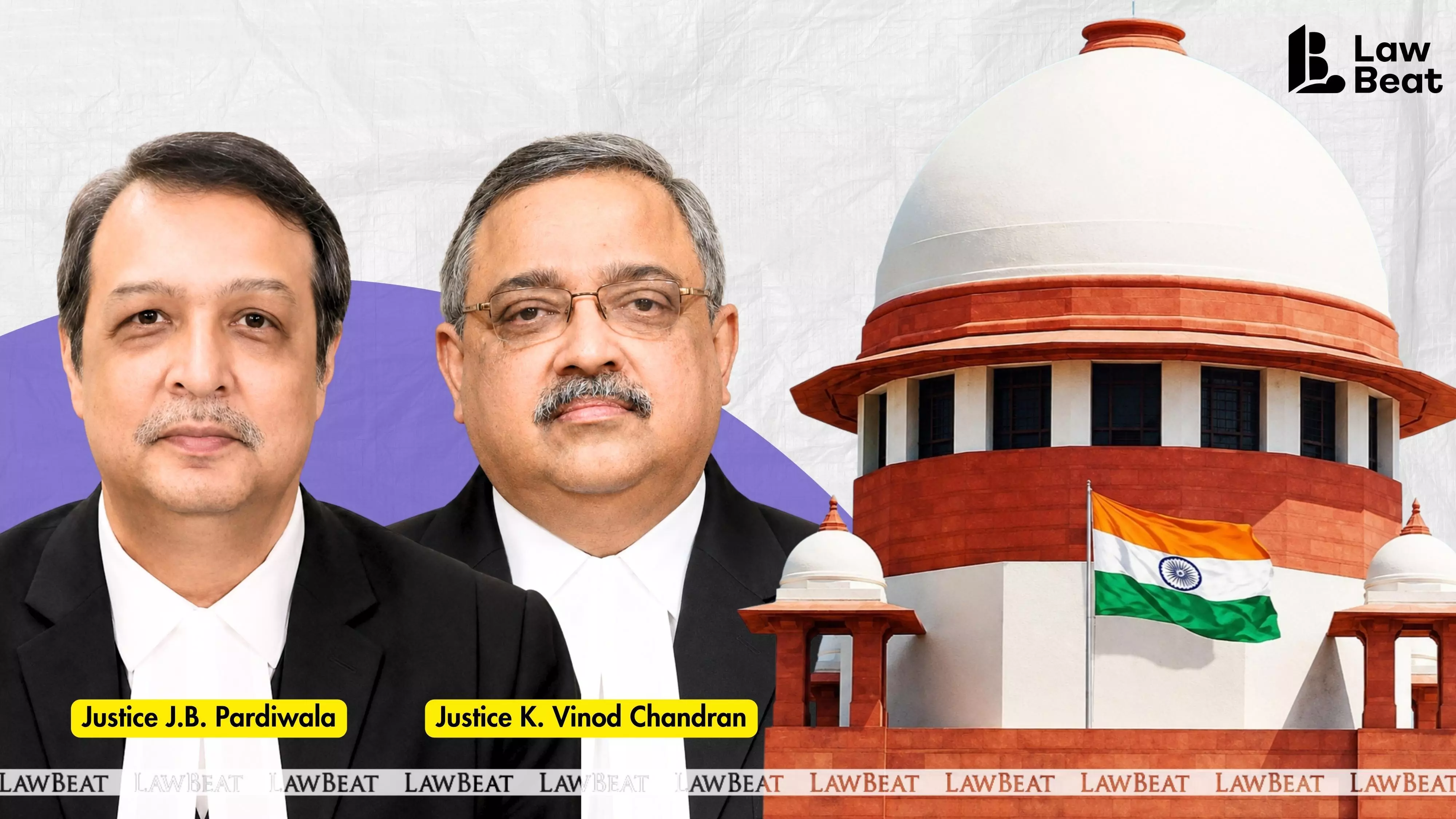
The Supreme Court of India recently acquitted an individual who had been serving a 15-year rigorous imprisonment sentence for rape, a conviction previously upheld by the Gauhati High Court. The apex court determined that the sole testimony provided by the victim did not meet the rigorous standard of "sterling character," citing significant discrepancies with both medical evidence and the account of a co-witness. This pivotal ruling, issued by a bench comprising Justice JB Pardiwala and Justice K Vinod Chandran on November 20, 2026, mandates the immediate release of the accused, provided he is not implicated in any other ongoing legal matters.
The Gauhati High Court had, on November 13, 2025, in Criminal Appeal No. 124 of 2023, affirmed the conviction under Section 376(1) of the Indian Penal Code, along with the 15-year sentence and a fine of Rs. 50,000, which carried an additional year of simple imprisonment in default. Notably, the High Court had already dismissed charges under the Protection of Children from Sexual Offences Act, 2012 (POCSO), due to the prosecution's failure to definitively establish the victim's age. The Supreme Court's decision underscores the critical need for robust corroboration when a conviction hinges primarily on the victim's narrative.
Evidentiary Flaws Undermine Prosecution's Case
The prosecution's case, which alleged that the accused, an acquaintance of the victim, offered her a lift in August 2019, subsequently drugged her with a soft drink and snacks, and then repeatedly assaulted her at two separate locations before she was found unconscious, was found to be entirely reliant on the victim's testimony. The Supreme Court meticulously scrutinized the evidence presented, identifying multiple critical inconsistencies and deficiencies. Crucially, the medical examination revealed no physical injuries or any signs indicative of sexual intercourse, directly contradicting the victim's allegations. Furthermore, a witness who had been present with the victim on a prior occasion provided an account that diverged from her version of events, casting further doubt on the narrative.
Several other aspects of the prosecution's attempted corroboration also failed to withstand judicial scrutiny. A confession reportedly made by the accused was deemed inadmissible under Section 26 of the Indian Evidence Act, 1872, as it was obtained while he was in police custody. Attempts to prove this confession through a crime scene reconstruction also faltered, with one witness turning hostile and the reconstruction covering a second site not mentioned by the victim. The testimony of an auto driver, presented as a "chance witness" to the victim being found abandoned, was considered insufficient, especially since no members of the gathered crowd had reported the incident to the police. The victim's brother, who took her to the hospital, failed to name the friend who alerted him or others who accompanied him, none of whom were subsequently examined in court. Even a shopkeeper who allegedly sold the accused the soft drink and chips could not recall the specific date or time of the purchase, rendering his testimony unhelpful. Finally, a material inconsistency was found between the victim's account and that of her cousin regarding a previous lift offered by the accused, further eroding the credibility of the prosecution's narrative.
The Standard of "Sterling Character"
This ruling by the India Supreme Court reinforces a fundamental principle in criminal jurisprudence: for a conviction in a rape case to rest solely on the testimony of the victim, that testimony must be of "sterling character." This demanding standard implies that the victim's account must be inherently credible, consistent, and free from material contradictions, particularly when other corroborating evidence is absent or weak. The court found that the cumulative effect of the contradictory medical evidence, inconsistent witness statements, and the overall lack of independent corroboration prevented the victim's testimony from meeting this high threshold.
The decision serves as a vital reminder of the stringent evidentiary requirements in sexual assault cases, emphasizing that while the victim's testimony is paramount, it must be evaluated rigorously against all available evidence. It highlights the importance for legal practitioners to ensure that prosecution cases are built on a foundation of robust, consistent evidence that can withstand intense judicial scrutiny, particularly when medical findings or other witness accounts present conflicting information. This case underscores that inconsistencies, even seemingly minor ones, can collectively undermine the "sterling character" required for a conviction based predominantly on a single witness's account.
Practical Implications
This ruling reinforces the high evidentiary standard required for conviction in sexual assault cases, particularly when relying solely on the victim's testimony. Lawyers prosecuting such cases must ensure robust corroboration, while defense counsel should meticulously scrutinize medical evidence and witness accounts for inconsistencies that could undermine the prosecution's case, especially regarding the 'sterling character' of victim testimony.
Source
Source: Original reporting via LawBeat
How does this affect you?
Get an AI analysis of this article grounded in your jurisdictions, practice areas, and any policy documents you've uploaded to Wansom.
Finish Reading the Full Story and the Expert Analysis.
Get the latest legal & regulatory intelligence in India
Wansom is AI and can make mistakes.