
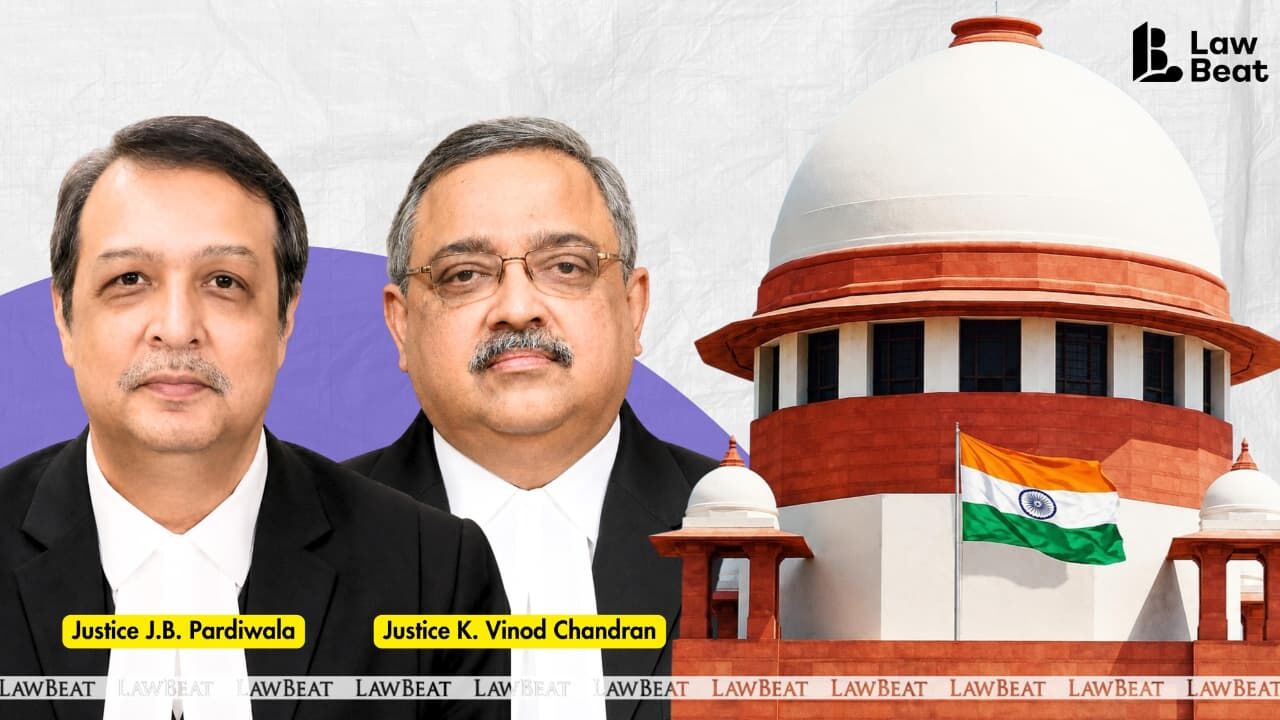
Supreme Court: Omitted Relief in First Suit Cannot Be Claimed Later
The Supreme Court of India recently held that relief omitted in a first suit cannot be claimed in a subsequent suit, specifically barring a second suit for specific performance when available relief was omitted from an earlier injunction suit.
This significant ruling, delivered by a Bench of Justices J B Pardiwala and K Vinod Chandran, underscores the fundamental principle that a plaintiff must seek all reliefs arising from the same cause of action in a single legal proceeding. The Court clarified that if a plaintiff fails to include a relief that was available at the time of filing the initial suit, and does not obtain explicit court permission to pursue it later, that omitted relief cannot be claimed in any subsequent litigation. This decision arose from an appeal filed by Bombay Garage Ahmedabad Limited and others, concerning a dispute over specific performance of an alleged oral agreement for sale of property, where the second suit for specific performance was barred due to the plaintiff's failure to seek it in an earlier injunction suit based on the same cause of action.
The legal significance of this judgment for practitioners is profound, as it reinforces the doctrine of claim preclusion and aims to prevent the multiplicity of litigation. It mandates meticulous planning and comprehensive pleading at the very outset of any civil action. The Court further clarified that even the withdrawal of a suit with liberty to file a fresh one does not grant a plaintiff carte blanche to introduce reliefs that were available but omitted from the original suit without obtaining the necessary leave from the court. This strict interpretation ensures judicial efficiency and prevents litigants from splitting claims to prolong disputes.
The legal context for this ruling is primarily Order II Rule 2 of the Code of Civil Procedure (CPC), which is a cornerstone of Indian procedural law. This rule explicitly requires a plaintiff to include their entire claim and all available reliefs stemming from a single cause of action in one lawsuit. The Supreme Court's decision provides a definitive interpretation and application of this crucial procedural safeguard. The key parties involved were the Supreme Court of India, specifically the Bench comprising Justices J B Pardiwala and K Vinod Chandran, and the appellants, Bombay Garage Ahmedabad Limited and others.
For practising attorneys and legal professionals, the clear takeaway is the absolute necessity of conducting thorough due diligence and strategic planning before initiating any civil suit. Practitioners must meticulously identify and include all potential reliefs arising from a single cause of action in the initial pleadings. Failure to do so, or to secure explicit leave from the court for any omitted relief, will result in those claims being permanently barred in future litigation. This ruling serves as a critical reminder of the importance of comprehensive pleading and strategic foresight in civil litigation.
How does this affect you?
Get an AI analysis of this article grounded in your jurisdictions, practice areas, and any policy documents you've uploaded to Wansom.
Finish Reading the Full Story and the Expert Analysis.
Get the latest legal & regulatory intelligence in India
Wansom is AI and can make mistakes.