
Supreme Court Clarifies: No Modified Form 6 Adjudication
Summary
- The Supreme Court clarified it has neither approved nor disapproved the modified Form 6 used by the Election Commission of India.
- This form is used for inclusion of names in electoral rolls during the Special Intensive Revision (SIR).
- Justice Bagchi stated there was no adjudication on the new Form 6, as it was unavailable during the Bihar SIR case judgment.
- The Chief Justice cautioned against misinterpreting the Court's observations beyond what was stated.
- The clarification came during a public interest litigation concerning alleged unilateral decisions by the Chief Election Commissioner.
What Happened
The Supreme Court explicitly stated that it has neither given its approval nor disapproval to this revised form, which was employed during the Special Intensive Revision (SIR) of electoral rolls.
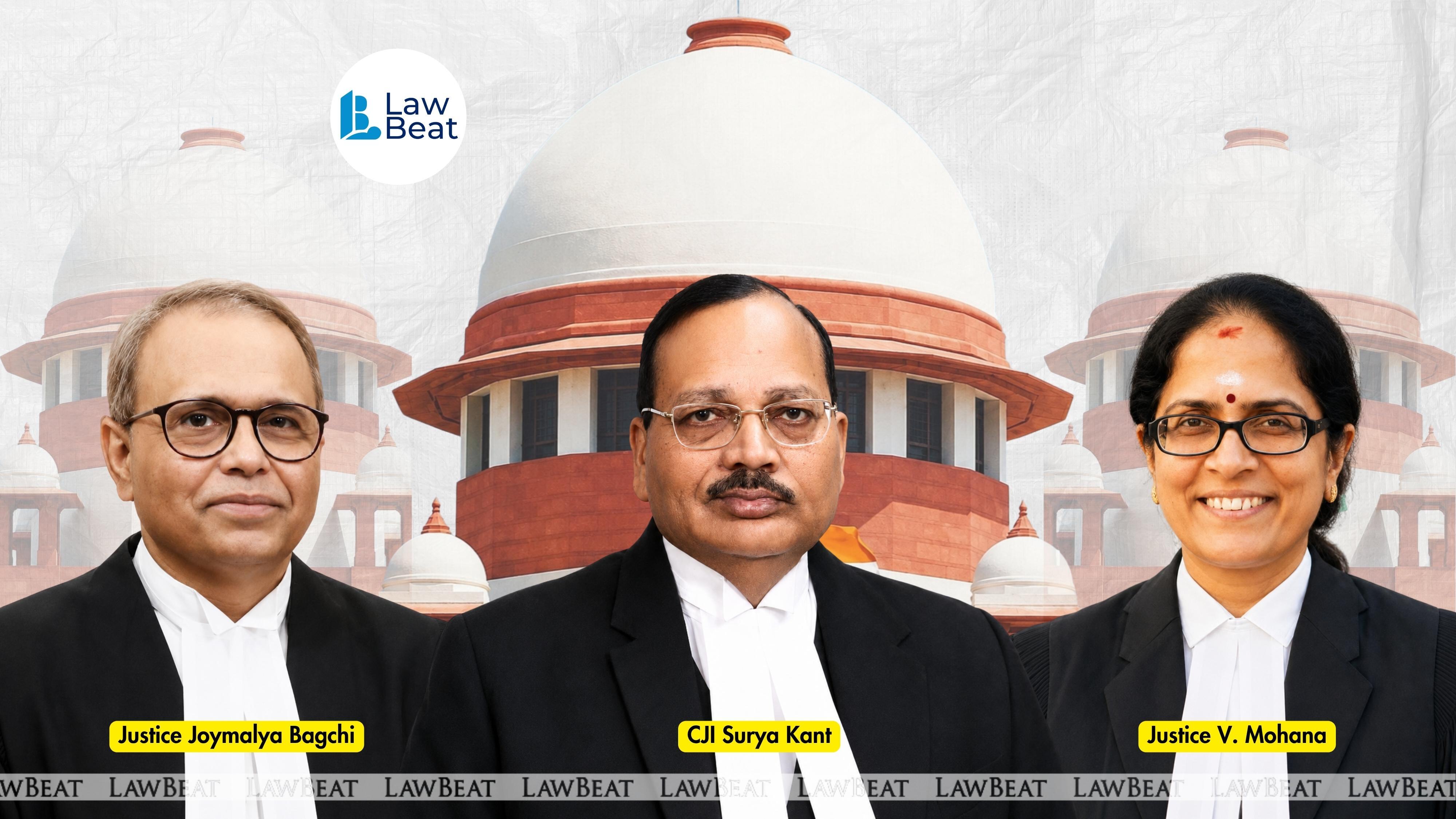
The Supreme Court recently clarified its stance on the modified Form 6, a document utilized by the Election Commission of India (ECI) for the inclusion of names in electoral rolls. The Court explicitly stated that it has neither given its approval nor disapproval to this revised form, which was employed during the Special Intensive Revision (SIR) of electoral rolls. This clarification arose during a hearing on Monday, where a bench comprising Chief Justice of India Surya Kant, Justice Joymalya Bagchi, and Justice V Mohana addressed the matter.
The Court's statement was prompted by a petitioner who highlighted a discrepancy: while the Supreme Court had previously indicated it had not approved the modified Form 6, the Election Commission had asserted that a declaration appended to the form had been upheld by the Court. Justice Bagchi unequivocally stated, "There is no adjudication on the new Form 6," directly addressing the conflicting interpretations. This intervention aimed to dispel any ambiguity surrounding the Supreme Court's position on the legal validity of the modified document.
Legal Context
Form 6 serves as a crucial instrument in India's electoral process, specifically designed for citizens to apply for the inclusion of their names in the voter registration lists. The Election Commission of India had introduced a modified version of this form, which it then used during its Special Intensive Revision (SIR) exercise for updating electoral rolls. The core of the recent Supreme Court modified Form 6 adjudication issue stems from whether this revised form had received judicial endorsement.
Justice Bagchi provided essential context for the Court's current clarification, referencing an earlier observation made by the Chief Justice. He explained that the modified Form 6 was not in existence or available to the Court when it rendered its judgment in the Bihar SIR case. Consequently, the Supreme Court could not have adjudicated on its contents at that time. Justice Bagchi further emphasized that the absence of the form during the Bihar SIR case judgment meant the Court's previous statements did not imply either approval or disapproval of the modified Form 6, thereby clarifying the historical record and the scope of prior judicial review.
Why It Matters
The Supreme Court's explicit declaration that it has neither approved nor disapproved the modified Form 6 carries significant weight for the integrity of voter registration processes and the perceived authority of the India Election Commission Form 6. This clarification directly challenges any notion that the modified form, or declarations within it, has received a judicial stamp of approval from the nation's highest court. The Chief Justice of India underscored the importance of accurate interpretation, cautioning against extrapolating the Court's observations beyond their stated scope and remarking, "Please don't pick words for news item."
This judicial intervention is particularly relevant as it occurred during the hearing of a public interest litigation (PIL). This PIL seeks accountability from Chief Election Commissioner Gyanesh Kumar, alleging unilateral decisions regarding the Special Intensive Revision exercise and broader changes to the electoral-roll system. The Supreme Court's stance on the voter registration Form 6 status thus becomes a critical factor in assessing the legal foundation of recent electoral roll revision efforts and the ECI's operational decisions, potentially influencing the outcome of the ongoing litigation and future challenges to election procedures.
Practical Implications
Lawyers advising on election law or voter registration processes must understand that the Supreme Court has explicitly clarified it has neither approved nor disapproved the modified Form 6, meaning its legal standing is not backed by a Supreme Court adjudication. This is crucial for assessing the validity of electoral roll revisions and advising clients on potential challenges or compliance related to voter registration.
Source
How does this affect you?
Get an AI analysis of this article grounded in your jurisdictions, practice areas, and any policy documents you've uploaded to Wansom.
Finish Reading the Full Story and the Expert Analysis.
Get the latest legal & regulatory intelligence in India
Wansom is AI and can make mistakes.