
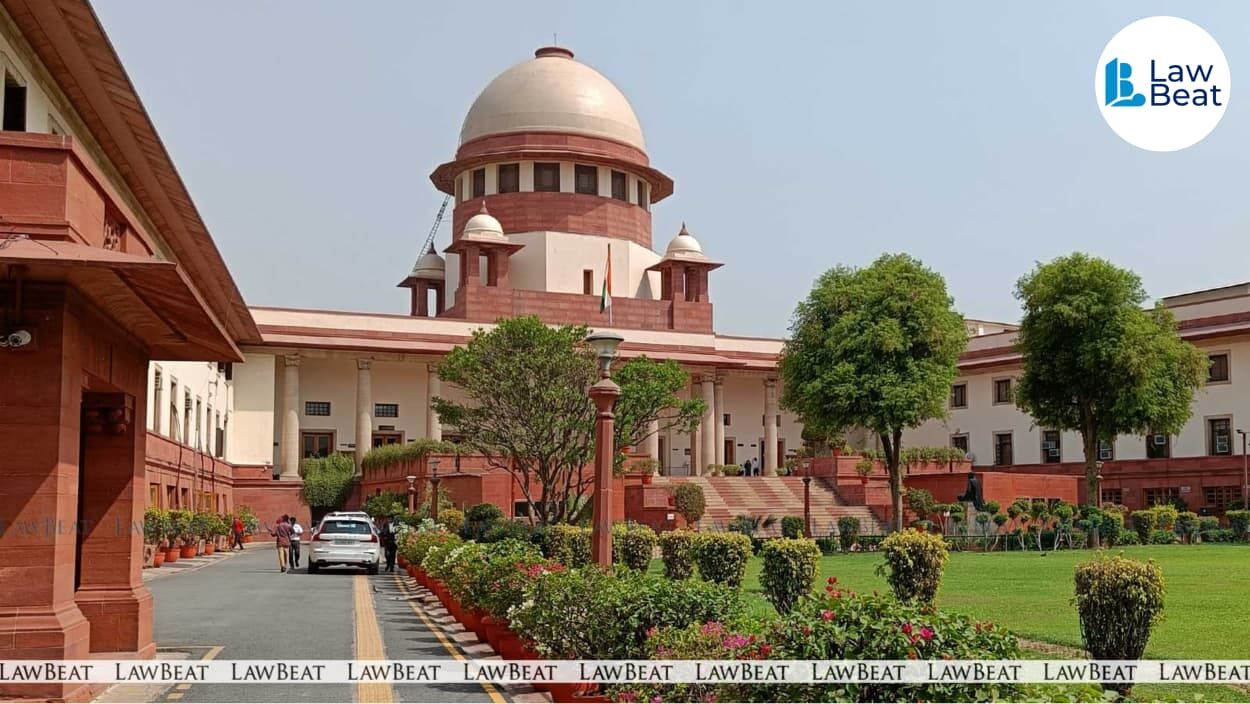
Supreme Court Directs MEA to Trace Indian Seafarer Missing After Black Sea Attack
Summary
- The Supreme Court has directed the MEA and Indian embassies to locate an Indian seafarer missing after a drone attack on his cargo ship in the Black Sea.
- The court's intervention highlights the risks of human trafficking facing Indian seafarers, particularly those employed on commercial vessels in high-risk regions.
- India has issued advisories urging Indians considering employment on such vessels to carefully assess security risks and remain in contact with Indian missions.
Indian Seafarer's Disappearance Sparks Supreme Court Intervention
This is a matter which requires your immediate urgent intervention. The petitioner's brother Deepak Kumar Gupta was one of the Indian seafarers.
The disappearance of an Indian seafarer in the Black Sea has led to unprecedented intervention by the Supreme Court, directing the Ministry of External Affairs (MEA) and Indian embassies to immediately locate the missing individual. The court's directive was issued on August 3, 2026, in response to a petition filed by Sandeep Kumar Gupta, brother of Deepak Kumar Gupta, who went missing after a drone attack on his cargo ship near Ukraine's Odesa port on July 25. The Supreme Court has asked the Solicitor General to obtain instructions from Indian embassies in Ukraine and Romania regarding the whereabouts of Deepak Kumar Gupta, an ordinary seaman on board MV AGN Ragnar. This development highlights the complexities of international maritime law and the challenges faced by governments in ensuring the safety of their nationals working abroad.
Legal Context: Human Trafficking Risks for Indian Seafarers
The Supreme Court's intervention has brought to light the risks of human trafficking facing Indian seafarers, particularly those employed on commercial vessels in high-risk regions. Last month, the MEA issued an advisory urging Indians considering employment on such vessels to carefully assess security risks and remain in contact with Indian missions. This warning comes against the backdrop of India's efforts to secure the release of 139 Indians recruited into the Russian military and repeated appeals to citizens to avoid high-risk overseas employment in conflict zones. The case highlights the need for governments, employers, and employees to work together to prevent human trafficking and ensure the safety of seafarers.
Why It Matters: Ensuring Safety and Security for Indian Nationals
The disappearance of Deepak Kumar Gupta has sparked a renewed focus on ensuring the safety and security of Indian nationals working abroad, particularly in conflict zones. The Supreme Court's directive to the MEA and Indian embassies underscores the importance of coordinated efforts between governments, employers, and employees to prevent human trafficking and ensure the well-being of seafarers. As India continues to engage with international partners on maritime safety and security issues, this case serves as a reminder of the need for proactive measures to protect its citizens working abroad.
Practical Implications
Lawyers and compliance officers should be aware of the potential human trafficking risks for Indian seafarers in conflict zones, as highlighted by this case, and advise clients to carefully assess security risks before taking up employment on commercial vessels in high-risk regions.
Source
How does this affect your business?
Get an AI analysis of this article grounded in your jurisdictions, practice areas, and any policy documents you've uploaded to Wansom.
Wansom is AI and can make mistakes.