
Supreme Court: Issues Notice on NEET Paper Leak Plea by Ashwini Upadhyay
Summary
- The Supreme Court has issued notice on a writ petition filed by advocate Ashwini Upadhyay regarding the NEET paper leak.
- The petition seeks relief from the alleged paper leak that affected lakhs of students and highlights several lacunas in the Public Examinations (Prevention of Unfair Means) Act, 2024.
- The case may set a precedent for addressing paper leaks and ensuring accountability of authorities, making it crucial for lawyers to monitor its development.
What Happened
The continued failure of the authorities to prevent, investigate, and effectively prosecute those responsible has resulted in an ongoing violation of the fundamental rights guaranteed under Articles 14, 16 and 21 of the Constitution.
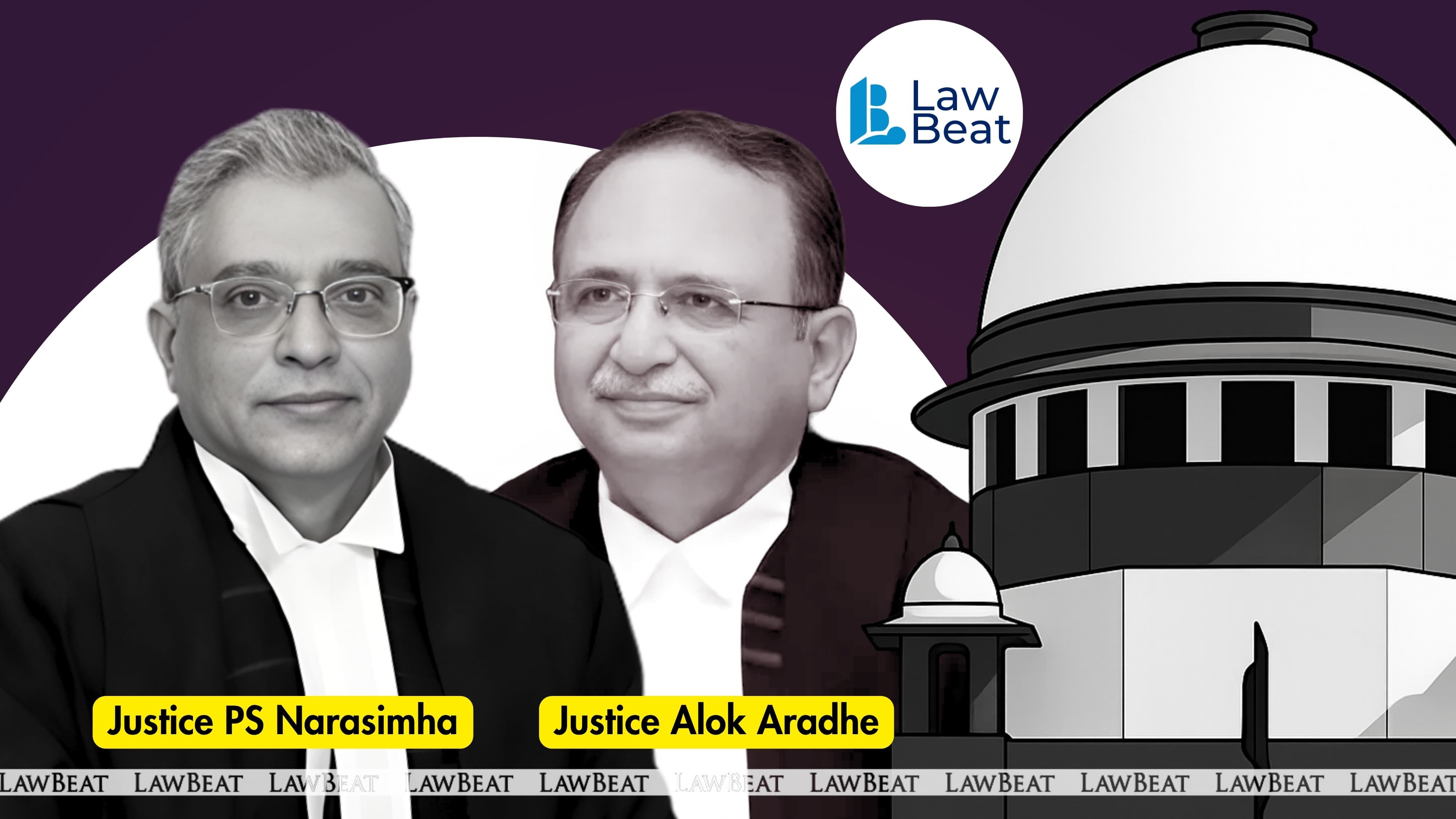
The Supreme Court has issued a notice on a writ petition filed by advocate Ashwini Upadhyay regarding the NEET paper leak. The petition, which was heard by Justices P.S. Narasimha and Alok Aradhe, seeks relief from the alleged paper leak that affected lakhs of students. During the hearing, Upadhyay informed the Bench that he was not pressing Prayer A, as a subsequent amendment had rendered it infructuous. The Bench then proceeded to issue notice on the petition, which relates to allegations concerning the NEET paper leak and seeks various reliefs in connection with the issue.
Relevant Legal/Regulatory Context
The Public Examinations (Prevention of Unfair Means) Act, 2024, which was amended in August 2026, has been in force since June 2024, but despite its enactment, paper leaks have continued to rise. The petition highlights several lacunas in the Act, including a lack of time-bound investigation and trial of paper-leaks, no Standard Investigation Procedure for paper-leaks, and no confiscation of property acquired as proceeds of the crime. These shortcomings have led to ineffective enforcement of the Act, allowing masterminds behind paper-leaks to evade scrutiny. The petition cites 12 instances of paper leaks at the national level and 15 instances at the state level.
Why It Matters
The NEET paper leak has had far-reaching consequences for students, including financial hardships, loss of educational and employment opportunities, grave psychological issues, increasing rates of suicide, and the burden of unpaid loans. The petition's plea for assessment of entire property of perpetrators and their family members, use of anti-corruption laws, and confiscation of movable and immovable property is a critical step towards ensuring accountability and preventing such incidents in the future. Lawyers should closely monitor the Supreme Court's handling of this case, as it may set a precedent for addressing paper leaks and ensuring accountability of authorities.
Practical Implications
Lawyers should monitor the Supreme Court's handling of this case, as it may set a precedent for addressing paper leaks and ensuring accountability of authorities in preventing such incidents. They should also be aware that the court's decision may have implications for future cases involving similar allegations.
Source
How does this affect you?
Get an AI analysis of this article grounded in your jurisdictions, practice areas, and any policy documents you've uploaded to Wansom.
Wansom is AI and can make mistakes.