
Supreme Court: Govt. Can Recall Public Property Auction Before Final Contract
Summary
- The Supreme Court ruled that public authorities can recall property auctions before finalization to maximize revenue.
- An enforceable contract for public property sale is only concluded upon issuance of an allotment letter and conveyance deed, not just the highest bid.
- The Chandigarh Administration's cancellation of Bedi Hospital's bid was upheld because no allotment letter had been issued, and a higher price was achievable.
- The Court emphasized that such recall actions must be guided by public interest, fairness, and procedural transparency.
- The ruling mandates that public authorities ensure the best possible price for state assets, even if it means re-auctioning.
The Case Background
For bidders involved in government public property auctions, this judgment highlights a significant risk: an auction is not a final transaction until the formal allotment letter is issued and the conveyance deed is executed.
M/s Bedi Hospital emerged as the highest bidder for a nursing home site in a public auction conducted by the Chandigarh Administration, offering Rs 12.58 crore. Following their successful bid, the hospital proceeded to deposit the entire bid amount. However, the Chandigarh Administration did not issue the crucial allotment letter, which is a prerequisite for finalizing the sale of public property.
The administration subsequently reconsidered the auction outcome after discovering that an adjacent plot of the same dimensions had fetched a significantly higher price of Rs 18.25 crore on the very same day. This substantial discrepancy prompted the administration to cancel Bedi Hospital's bid on January 27, 2023. The full amount deposited by M/s Bedi Hospital was returned, and the administration announced its intention to conduct a fresh e-auction, explicitly stating that Bedi Hospital would be eligible to participate. Bedi Hospital challenged this cancellation before the Punjab and Haryana High Court, which ultimately ruled in their favor, quashing the administration's decision and the letters related to the cancellation and agreement to sell. This High Court ruling was then appealed to the Supreme Court by Satinder Pal Singh, who had emerged as the highest bidder at Rs 18.30 crore in an intermediate fresh e-auction where Bedi Hospital did not participate.
Supreme Court's Legal Pronouncement
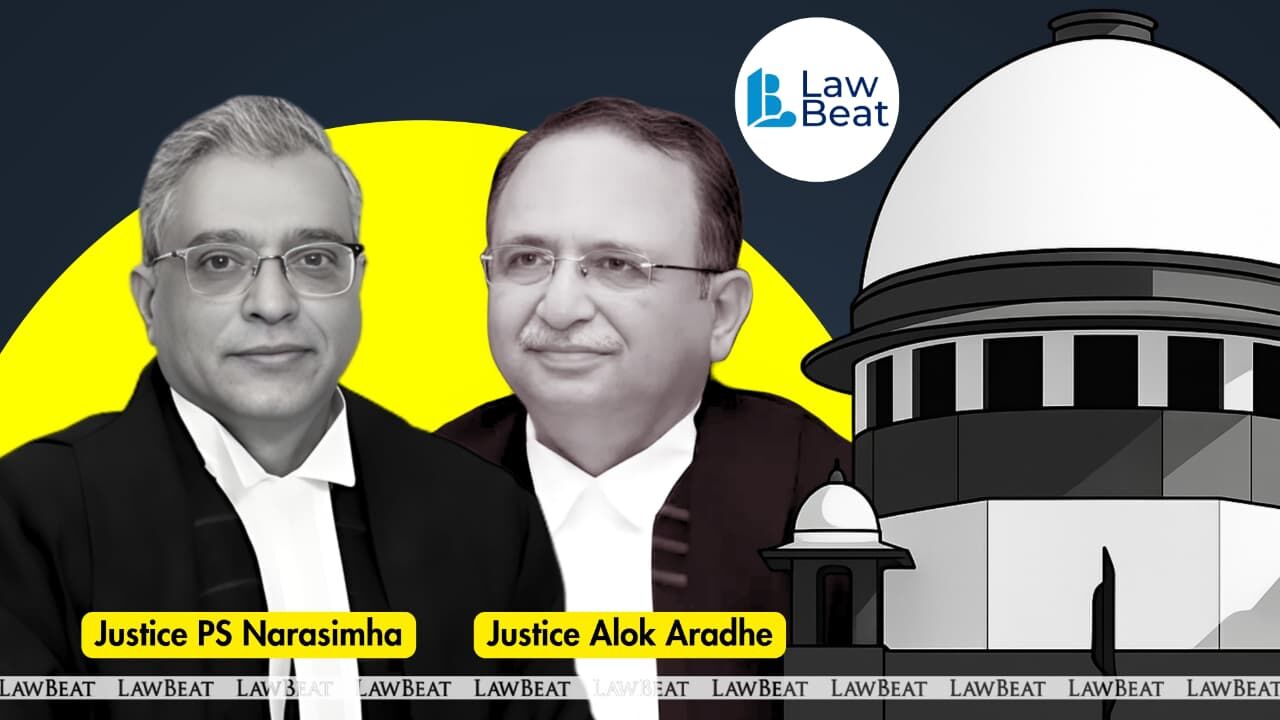
A bench comprising Justices P S Narasimha and Alok Aradhe addressed the appeal, setting aside the judgment of the Punjab and Haryana High Court. The Supreme Court clarified that public authorities possess the right to recall an auction for the sale of public property before the contract is definitively concluded, particularly when the objective is to secure the highest possible price and maximize public revenue. The Court underscored that such an action is not inherently arbitrary or unreasonable, provided it is rooted in public interest, fairness, and procedural transparency.
Crucially, the Supreme Court elucidated the point at which a contract for public property sale becomes final under the Chandigarh Estate Rules, 2007. It held that neither the "fall of the hammer" at the auction nor the execution of an agreement to sell constitutes a final contract. Instead, the contract is only finalized upon the issuance of the allotment letter and the subsequent execution of the conveyance deed. In the Bedi Hospital case, since the allotment letter had not been issued, the Supreme Court determined that no enforceable contract for the property's sale had been concluded, thereby validating the administration's right to revisit the auction process for price maximization. The Court found no illegality or arbitrariness in the Chandigarh Administration's decision to seek a fresh auction, especially given the significant difference in potential revenue. Consequently, the Supreme Court directed the administration to conduct another e-auction within three months.
Implications for Public Property Transactions
This landmark ruling by the Supreme Court provides critical guidance on the discretion of government bodies in managing public assets and the enforceability of bids in public auctions. It firmly establishes that public authorities are justified in recalling or revisiting an auction process if the decision aims to maximize the sale or lease price of public property, especially when a substantially lower price was initially fetched. The Court emphasized that the conduct of any public authority must always be guided by fairness and the overarching public purpose.
For bidders involved in government public property auctions, this judgment highlights a significant risk: an auction is not a final transaction until the formal allotment letter is issued and the conveyance deed is executed. The government retains the power to recall bids for price maximization, provided its decision adheres to principles of public interest, fairness, and transparency. This ruling clarifies the scope of discretion available to public authorities to ensure optimal value for state assets, reinforcing the principle that the state has a duty to secure the best possible returns from its property.
Practical Implications
Lawyers advising clients bidding on public property must understand that an auction is not final until the allotment letter and conveyance deed are issued, as government authorities retain the power to recall bids for price maximization, provided the decision is guided by public interest, fairness, and transparency. This ruling clarifies the risks for bidders and the scope of discretion for public authorities in managing state assets.
Source
Source: Original reporting via Live Law
How does this affect you?
Get an AI analysis of this article grounded in your jurisdictions, practice areas, and any policy documents you've uploaded to Wansom.
Finish Reading the Full Story and the Expert Analysis.
Wansom is AI and can make mistakes.