
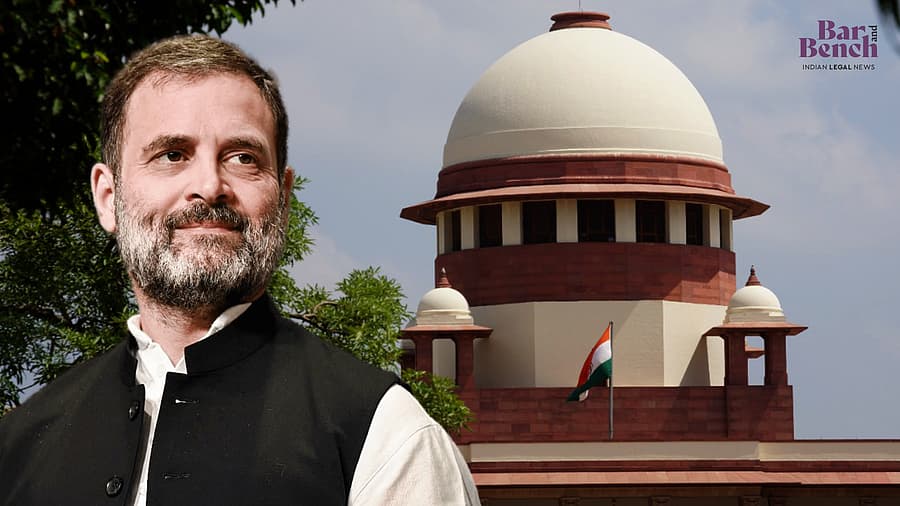
Supreme Court: ECI Must Reply on Rahul Gandhi Interrogatories
Summary
- The Supreme Court will decide on a plea by Rahul Gandhi and ten other opposition leaders to serve 48 interrogatories on the Election Commission of India.
- The plea seeks sworn affidavits from CEC Gyanesh Kumar and Election Commissioners Dr. Sukhbir Singh Sandhu and Dr. Vivek Joshi regarding alleged unilateral decisions and mass voter deletions during the Special Intensive Revision of electoral rolls.
- The ECI, represented by Senior Advocate Harish Salve, has expressed serious reservations about the application, citing potential prejudice.
- The Supreme Court bench, led by CJI Surya Kant, has directed the ECI to file its objections before the next hearing on December 9.
- Petitioners argue that the ECI's previous affidavits relied on bare assertions and withheld crucial official files and records.
Court Directs ECI to Respond
This proceeding could establish a vital precedent regarding the scope of discovery and the ability to compel sworn affidavits from high-ranking officials within statutory bodies like the Election Commission of India.
The Supreme Court recently instructed the Election Commission of India (ECI) to submit its reply concerning a petition filed by Leader of Opposition Rahul Gandhi and ten other opposition figures. This plea seeks judicial permission to serve 48 formal written questions, known as interrogatories, directly to the ECI. The petitioners are specifically requesting sworn affidavits from Chief Election Commissioner (CEC) Gyanesh Kumar and Election Commissioners Dr. Sukhbir Singh Sandhu and Dr. Vivek Joshi. The core of their demand revolves around allegations of unilateral decision-making and widespread voter deletions that reportedly occurred during the nationwide Special Intensive Revision (SIR) of electoral rolls.
A bench comprising Chief Justice of India (CJI) Surya Kant, alongside Justices Joymalya Bagchi and V Mohana, declared that the matter would proceed to a hearing on December 9. This hearing is contingent upon the ECI first filing its formal objections to the application. The court's directive sets the stage for a crucial legal examination into the extent of transparency and accountability required from India's electoral body.
Allegations of Withheld Information and ECI's Objections
The application put forth by Rahul Gandhi and the other petitioners contends that the ECI's previous counter-affidavits, submitted in response to the primary petition challenging extensive voter deletions and alleged irregularities during the ongoing Special Intensive Revision, were insufficient. According to the petitioners, these affidavits relied solely on unsubstantiated assertions, while critical official files and records were deliberately withheld. This forms the basis for their insistence on formal interrogatories and sworn testimony from the top election officials.
Representing the ECI, Senior Advocate Harish Salve conveyed the poll body's strong opposition to Gandhi's request. Salve articulated that the ECI harbors "very serious reservations" regarding the application, suggesting potential "prejudice" if the interrogatories were allowed. In response, CJI Kant clarified that the ECI was free to submit its objections, stating, "Whatever it is, you may file your reply. You can raise your objections." The Chief Justice further indicated the court's intention to thoroughly assess the "interrogatories issue" before rendering a decision. Senior Advocate Kapil Sibal is representing Rahul Gandhi in this proceeding.
Implications for Electoral Oversight
The Supreme Court's decision to meticulously examine the request for interrogatories holds significant weight for the future of electoral oversight in India. This proceeding could establish a vital precedent regarding the scope of discovery and the ability to compel sworn affidavits from high-ranking officials within statutory bodies like the Election Commission of India. Should the court permit the serving of these 48 interrogatories, it would empower petitioners in similar cases to demand greater transparency and detailed accountability from election authorities, particularly concerning sensitive processes such as voter roll revisions.
The outcome will clarify the extent to which the ECI can be subjected to detailed questioning under oath, especially when facing allegations of procedural irregularities or unilateral actions, such as those cited during the Special Intensive Revision electoral rolls India. The court's ultimate ruling on whether Chief Election Commissioner Gyanesh Kumar and Election Commissioners Dr. Sukhbir Singh Sandhu and Dr. Vivek Joshi must provide sworn responses will undoubtedly influence future litigation strategies against the ECI and other government bodies, potentially reshaping the landscape of administrative law challenges.
Practical Implications
Lawyers handling election petitions or administrative law challenges against statutory bodies should closely monitor this Supreme Court decision. The outcome will clarify the scope for serving interrogatories and compelling sworn affidavits from election authorities, potentially setting a significant precedent for discovery procedures in such cases and influencing future litigation strategies against the ECI.
Source
How does this affect you?
Get an AI analysis of this article grounded in your jurisdictions, practice areas, and any policy documents you've uploaded to Wansom.
Finish Reading the Full Story and the Expert Analysis.
Get the latest legal & regulatory intelligence in India
Wansom is AI and can make mistakes.