
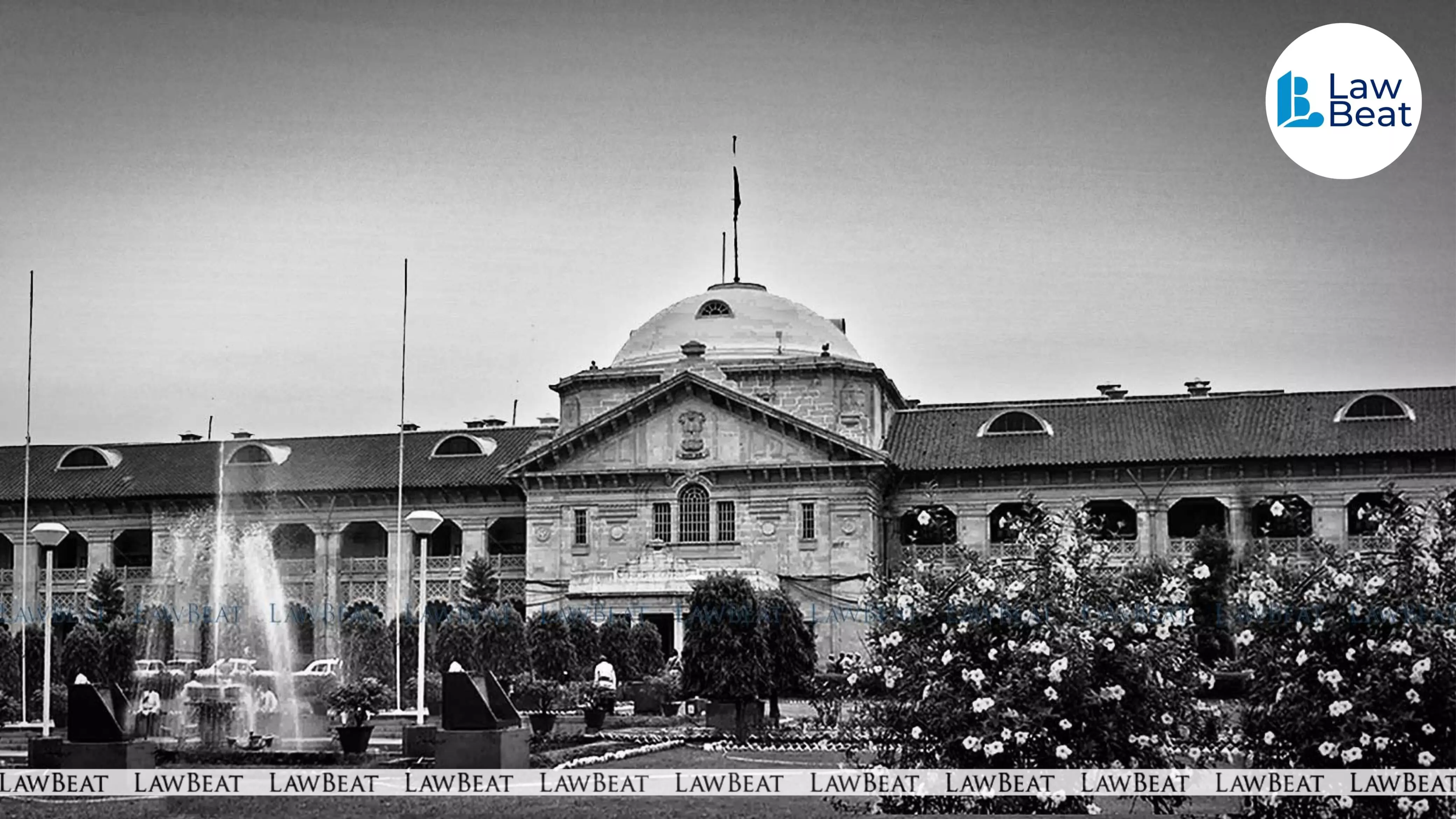
Allahabad High Court: Issues Bar-Bench Warning Over Disruptive Lawyer Conduct
Summary
- The Allahabad High Court issued a warning to young advocates regarding disruptive conduct and the spread of incomplete information.
- Justice Arun Kumar Singh Deshwal made these observations during a bail hearing amid ongoing Bar-Bench tensions.
- The court noted instances where advocates forcibly prevented others from entering court, calling such actions "absolutely contemptuous."
- Justice Deshwal emphasized that maintaining the High Court's dignity is a shared responsibility of both judges and advocates.
- The court expects the newly elected Bar Association to address these issues to preserve public trust in the institution.
Judicial Intervention Amidst Bar-Bench Tensions
Justice Deshwal further underscored that maintaining the dignity of the High Court is a collective responsibility shared by both judges and advocates.
The Allahabad High Court has issued a stern warning to legal practitioners, particularly younger advocates, regarding disruptive behavior and the dissemination of inaccurate information. These observations, made by Justice Arun Kumar Singh Deshwal during the hearing of a bail application in the case of Rajesh v. State of U.P., underscore a growing concern over the conduct of some members of the legal fraternity. The court's remarks came in the context of an ongoing dispute between the Bar and the Bench, which had led to significant disruptions in court proceedings.
The tensions originated from an incident on October 27 involving Justice Ajay Bhanot, which sparked allegations of mistreatment towards an advocate and subsequently escalated into widespread protests by lawyers. Justice Deshwal took immediate notice of the escalating situation. On October 28, he characterized the actions of the protesting advocates as "absolutely contemptuous" and instructed the Registrar (Protocol) to review CCTV footage to identify those involved, paving the way for potential disciplinary and contempt proceedings. The following day, October 29, the judge further documented instances where individuals, identifying themselves as advocates, prevented other lawyers, including government counsel, from entering his courtroom, despite the absence of any official call for a boycott from the Bar Association.
Upholding Professional Conduct and Court Dignity
The disruptions continued to impede the court's functioning, prompting Justice Deshwal to make his pointed observations on October 30. He specifically noted an incident where a female advocate attempting to attend her case was reportedly subjected to misconduct and forcibly barred from entering the courtroom. Justice Deshwal unequivocally condemned such behavior, stating that it severely damages the reputation and integrity of both the Bar and the judicial institution itself. He emphasized that court proceedings cannot be halted simply because a segment of advocates wishes to obstruct them, especially when the majority of legal professionals are prepared to present their cases.
The court also addressed the increasing prevalence of social media use among young lawyers. Justice Deshwal cautioned against an overemphasis on gaining "likes" on social media platforms, warning that the spread of incomplete or distorted information about the High Court could unnecessarily exacerbate differences between the Bar and the Bench. He stressed that young advocates represent the future of the High Court, and both judges and senior advocates are actively working to cultivate an environment conducive to their professional development. Instead of focusing on online popularity, young lawyers should prioritize their legal studies and case preparation to build successful careers.
Shared Responsibility for Institutional Trust
Justice Deshwal further underscored that maintaining the dignity of the High Court is a collective responsibility shared by both judges and advocates. He highlighted that the respect accorded to advocates within society is intrinsically linked to the public's trust in the judicial institution. Should public confidence in the High Court erode, he warned, advocates themselves could become vulnerable to harassment from criminal elements or unruly public officials.
In light of these pressing concerns, the Court expressed its expectation that the newly elected body of the Bar Association, High Court, Allahabad, would seriously consider these issues and implement appropriate measures to uphold the High Court's dignity. The immediate impact of the disruptions was evident in the bail application hearing itself, where the applicant's counsel was unable to appear due to being forcibly prevented. Consequently, the court adjourned the matter, rescheduling the bail application for November 26, 2026, to ensure justice could be properly administered.
Practical Implications
Lawyers, particularly young advocates, must be acutely aware of the Allahabad High Court's firm stance against disruptive conduct and the misuse of social media to disseminate incomplete information, as such actions carry a significant risk of contempt proceedings or disciplinary action. This development underscores the critical importance of upholding professional responsibility and court dignity, necessitating a careful review of one's public and professional conduct to avoid severe legal and reputational consequences.
Source
How does this affect you?
Get an AI analysis of this article grounded in your jurisdictions, practice areas, and any policy documents you've uploaded to Wansom.
Finish Reading the Full Story and the Expert Analysis.
Wansom is AI and can make mistakes.