
Supreme Court: Dismisses PIL Seeking Medical Teacher Retirement Age Hike
Summary
- The Supreme Court dismissed a Public Interest Litigation (PIL) seeking to raise the retirement age of medical teachers from 70 to 75 years.
- Justice P.S. Narasimha cautioned the petitioner, a young advocate, against converting newspaper reports into PILs without considering broader policy implications.
- The Court emphasized that increasing the retirement age for medical teachers is a significant policy issue, not suitable for a PIL based solely on media reports.
- The ruling highlights the judiciary's expectation for lawyers to exercise responsibility and discretion when filing PILs, considering their broader implications and the existing judicial burden.
Court Rejects Plea on Medical Teacher Retirement Age
The dismissal reinforces the judiciary's expectation that PILs address genuine legal issues with broader policy implications, rather than being based solely on media reports or personal interpretations of policy needs.
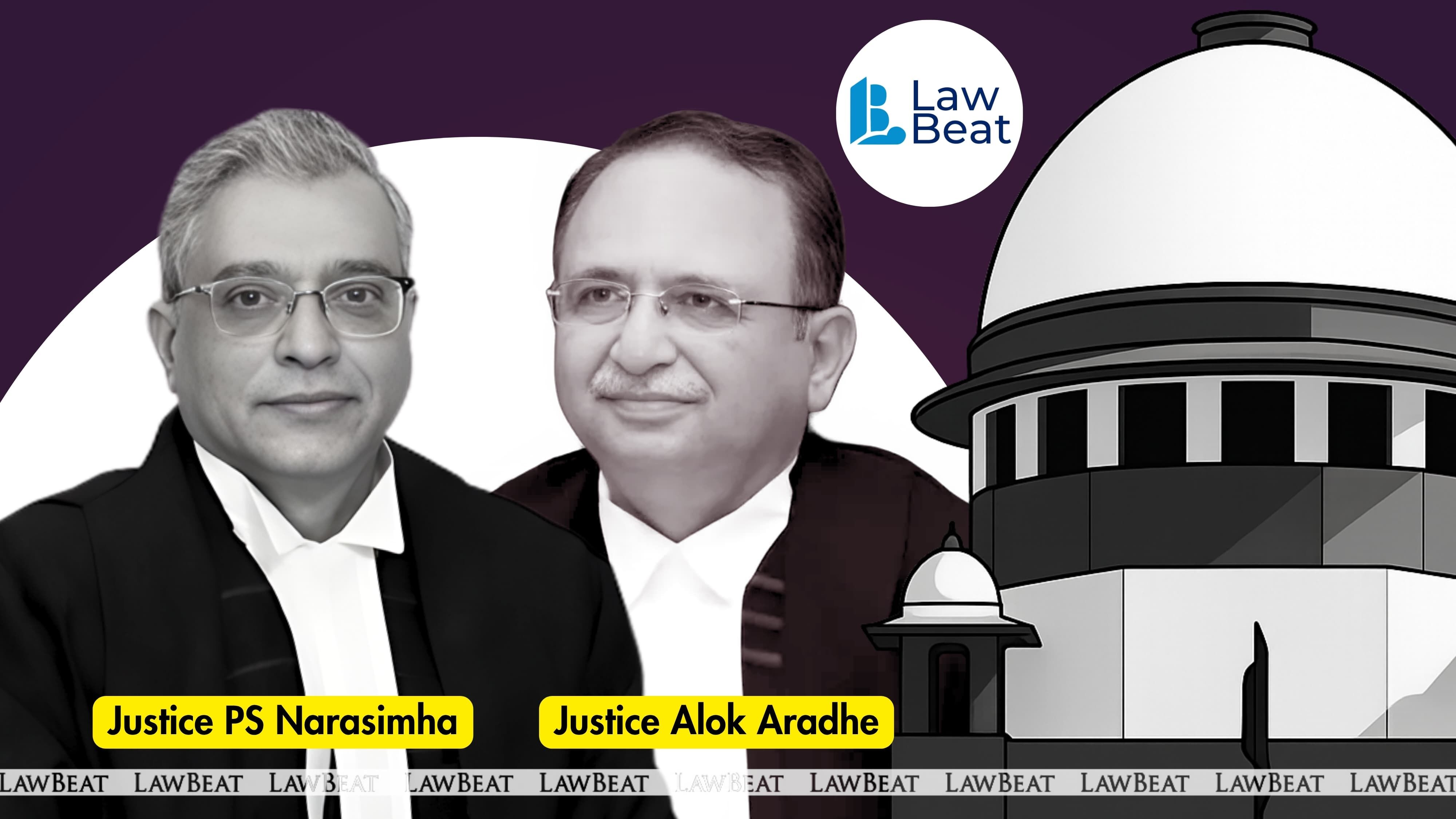
The Supreme Court of India recently dismissed a Public Interest Litigation (PIL) that sought to increase the retirement age for medical teachers across the country. The petition specifically requested a reconsideration of the existing maximum retirement age of 70 years, proposing an extension to 75 years. This Supreme Court Article 32 writ petition dismissal was heard by a bench comprising Justices P.S. Narasimha and Alok Aradhe.
The PIL was initiated by a young advocate, who appeared in person, though it was filed through Advocate-on-Record Rohit Bansal. The petitioner argued for a fresh, objective, and evidence-based review of the retirement age, citing a persistent shortage of qualified teaching faculty. This shortage, according to the petition, is exacerbated by the ongoing expansion of medical colleges, an increase in MBBS seats, and the growth of postgraduate and super-speciality training capacities in India.
The plea sought a mandamus directing the Central government, the National Medical Commission (NMC), the Medical Assessment and Rating Board, and the Post Graduate Medical Education Board to undertake this reconsideration, aiming for an increase from the current 70 years to 75 years, or another suitable age.
Judicial Scrutiny and PIL Caution
During the proceedings, Justice P.S. Narasimha issued a strong PIL caution, questioning the basis and appropriateness of the petition. He directly addressed the advocate, inquiring about her personal concern in the matter and whether such issues, which involve significant policy considerations, should be brought before the apex court by a practicing lawyer. Justice Narasimha underscored that filing cases carries immense responsibility for legal professionals, emphasizing that reading something in a newspaper should not automatically translate into a PIL.
The Court highlighted that the proposed increase in medical teachers' retirement age from 70 to 75 years represents a substantial policy issue. Justice Narasimha cautioned against filing a PIL based on newspaper reports India or policy matters without thoroughly considering their broader implications. He advised the petitioner to reflect carefully before pursuing similar actions in the future, stressing the gravity of a lawyer's role and the need to assess whether such litigation genuinely serves the public interest or merely adds to the judiciary's workload.
Implications for Public Interest Litigation
This ruling serves as a significant reminder from the Supreme Court regarding the proper scope and initiation of Public Interest Litigations. The Court explicitly pointed out the heavy burden on the judiciary and urged the petitioner to consider whether such litigation truly assists in resolving underlying issues. Justice Narasimha advised that even when approached by others with similar concerns, lawyers have a duty to counsel against inappropriate PIL filings, let alone initiating one themselves based on media reports.
The dismissal reinforces the judiciary's expectation that PILs address genuine legal issues with broader policy implications, rather than being based solely on media reports or personal interpretations of policy needs. It underscores the critical responsibility of lawyers to exercise discretion and judgment, ensuring that their actions contribute meaningfully to the legal system and the country, rather than consuming valuable judicial resources on matters better suited for executive or legislative deliberation.
Practical Implications
This ruling serves as a strong caution from the Supreme Court to lawyers regarding the filing of Public Interest Litigations. It underscores the judiciary's expectation that PILs address genuine legal issues with broader policy implications, rather than being based solely on media reports, thereby influencing how lawyers should approach such petitions.
Source
How does this affect you?
Get an AI analysis of this article grounded in your jurisdictions, practice areas, and any policy documents you've uploaded to Wansom.
Finish Reading the Full Story and the Expert Analysis.
Get the latest legal & regulatory intelligence in India
Wansom is AI and can make mistakes.