
Supreme Court: Dismisses Fake Doctors PIL on NMC Verification
Summary
- The Supreme Court dismissed a Public Interest Litigation (PIL) seeking a verification mechanism to prevent fake doctors and forged medical degrees.
- The PIL, filed by Advocate N.K. Goswami, requested the National Medical Commission (NMC) to disclose its verification process for medical professionals.
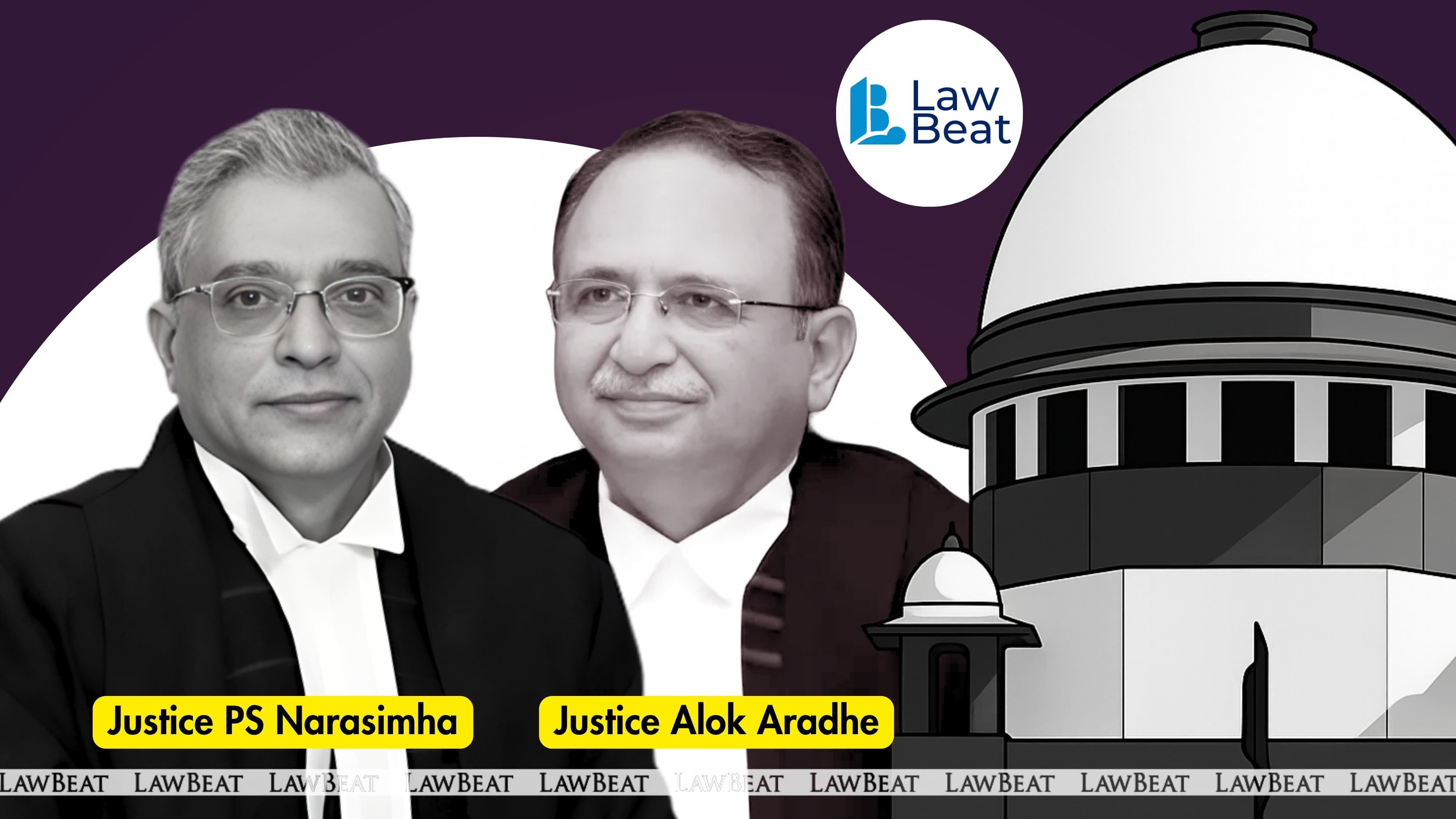
- Justices PS Narasimha and Alok Aradhe questioned the drafting and intent of public interest petitions, suggesting some might be filed for publicity.
- The petitioner argued the PIL was crucial for patient safety, citing a report that one in four doctors might be fake, and sought enforcement of existing NMC Act 2019 provisions.
- The dismissal highlights the Supreme Court's caution regarding PILs and means no new judicial directive for NMC verification processes has been issued.
Supreme Court Dismisses Plea on Medical Degree Verification
The Supreme Court underscored its concern regarding the drafting and intent behind certain public interest petitions, questioning whether they served genuine public interest or aimed for publicity.
India's Supreme Court recently dismissed a Public Interest Litigation (PIL) that sought to establish a verification mechanism to prevent the proliferation of fake doctors and forged medical degrees. The petition, filed by Advocate N.K. Goswami in June under Article 32 of the Constitution, specifically requested directions for the National Medical Commission (NMC) to disclose its existing verification procedures for recognizing medical professionals.
During the proceedings, the bench, comprising Justices PS Narasimha and Alok Aradhe, expressed reservations about the manner in which public interest petitions are often drafted and presented. The Court questioned whether such filings were genuinely for public good or primarily served as a means for advertisement or popularity. Justice PS Narasimha further highlighted concerns about PILs being filed immediately after issues gain media attention, noting that such petitions are easily drafted and can attract publicity. Ultimately, the Court decided to dismiss the petition.
Petitioner's Case for Patient Safety and Regulatory Enforcement
Advocate N.K. Goswami emphasized that his petition addressed critical issues concerning patient life and safety, directly confronting the problem of fake doctors and forged medical degrees in India. He passionately argued that a fraudulent medical degree in the hands of an individual is not merely a piece of paper but a "loaded weapon" within a hospital setting, underscoring the severe potential consequences for public health. The petitioner also referenced a report suggesting that as many as one in four doctors might be operating with questionable credentials.
While the initial PIL contained broader requests, Advocate Goswami narrowed his focus during the hearing to Prayer E, which specifically sought disclosure from the NMC regarding its current verification processes for medical registration. The petition was grounded in the enforcement of fundamental rights under Articles 14 and 21 of the Constitution, asserting that the right to life includes access to safe, competent, and lawfully qualified medical treatment. It contended that the State has a responsibility not to expose patients to care from individuals whose qualifications are forged, doubtful, unverified, or fraudulently obtained. The PIL explicitly stated its aim was not to create new policy through judicial legislation but to ensure the robust enforcement of the existing statutory framework, particularly provisions within the NMC Act 2019.
Legal Framework and Judicial Scrutiny of PILs
The Public Interest Litigation highlighted several sections of the National Medical Commission Act, 2019, to support its call for enhanced verification. Section 27, for instance, designates the Ethics and Medical Registration Board with the responsibility of maintaining the National Register of licensed medical practitioners. Section 31 outlines provisions for the National Medical Register, including its maintenance, electronic format, publication, and synchronization with State Medical Registers. Furthermore, Sections 33 and 34 establish that proper registration and a valid license are the legal prerequisites for practicing medicine, while Section 57 grants the authority to frame regulations to fulfill the Act's objectives. The petitioner argued that these provisions collectively mandate a comprehensive system for verifying medical qualifications.
Despite the petitioner's detailed arguments regarding the existing legal architecture and patient safety, the Supreme Court underscored its concern regarding the drafting and intent behind certain public interest petitions, questioning whether they served genuine public interest or aimed for publicity. This judicial caution about the nature and purpose of PILs played a significant role in the dismissal, signaling the Court's expectation for meticulous drafting and a clear, non-publicity-driven intent in such filings.
Implications for Medical Regulation and Future Litigations
The Supreme Court's decision to dismiss the PIL means there is no immediate new judicial mandate for the National Medical Commission to alter or publicly disclose its verification mechanisms beyond existing requirements. For compliance officers in the medical sector, this ruling indicates that current verification processes for medical professionals, as defined by the NMC Act 2019 medical registration framework, remain unchanged by this particular judicial action.
For lawyers considering Public Interest Litigations, this dismissal serves as a clear reminder of the Supreme Court's increasing scrutiny. The Court's remarks underscore the importance of carefully drafting petitions under Article 32, ensuring they are not perceived as attempts for personal advertisement or filed reactively to news cycles. The ruling emphasizes that while concerns about forged medical degrees in India and the issue of fake doctors are serious, PILs must demonstrate a robust legal basis and a clear, well-articulated public interest, distinct from seeking publicity.
Practical Implications
Lawyers considering Public Interest Litigations should note the Supreme Court's caution regarding the drafting and intent of such petitions. For compliance officers in the medical sector, this ruling means no immediate new judicial mandate for enhanced disclosure or changes to the National Medical Commission's existing verification processes for medical professionals.
Source
Source: Original reporting via Live Law
How does this affect you?
Get an AI analysis of this article grounded in your jurisdictions, practice areas, and any policy documents you've uploaded to Wansom.
Finish Reading the Full Story and the Expert Analysis.
Get the latest legal & regulatory intelligence in India
Wansom is AI and can make mistakes.