
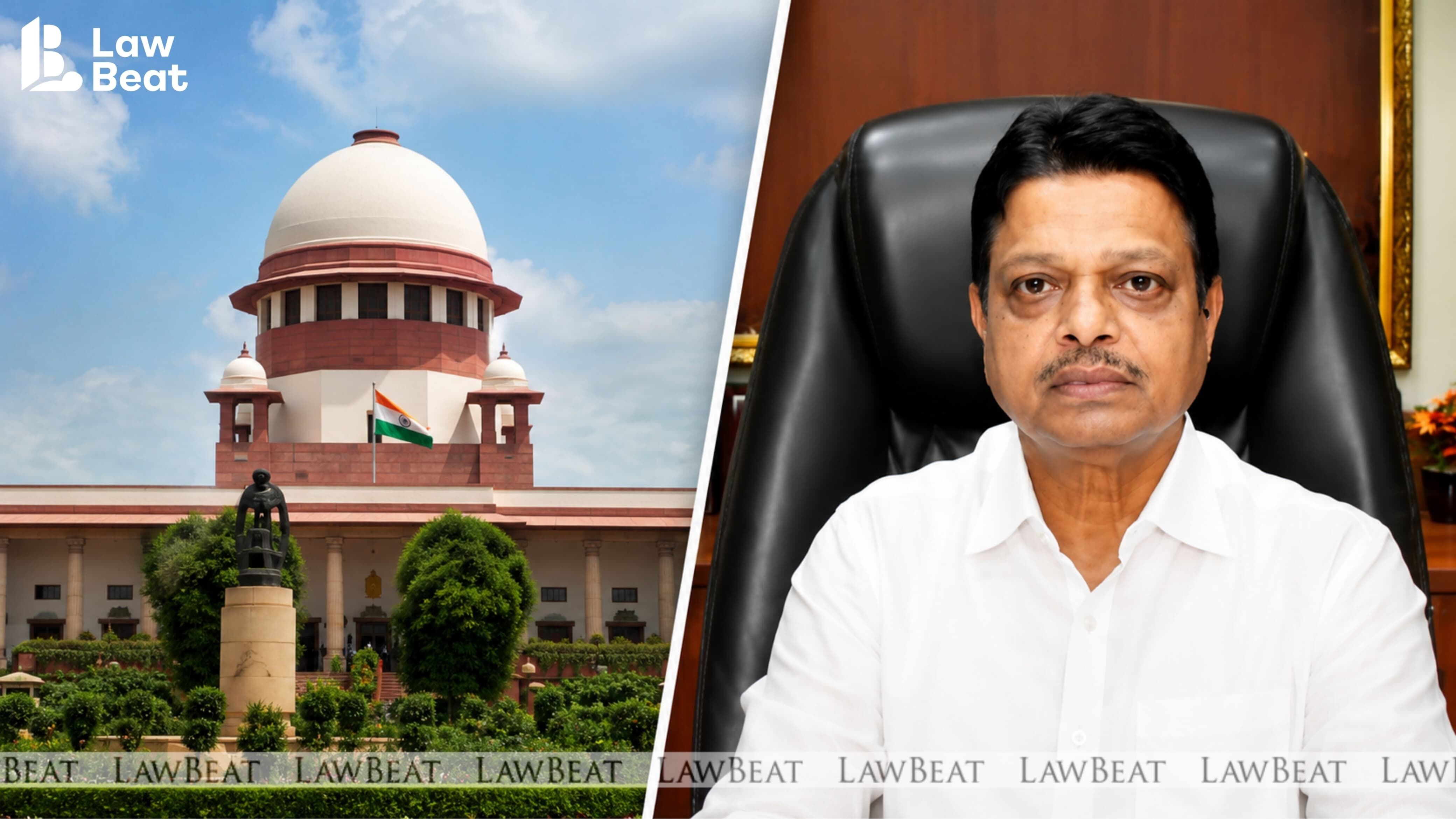
Supreme Court Directs Maharashtra: Seek Ramesh Mhatre Bail Cancellation
Summary
- The Supreme Court indicated it might cancel the bail granted to Shiv Sena corporator Ramesh Mhatre in the Kalyan hospital doctors' assault case.
- The Court directed the State of Maharashtra to formally file an application seeking the cancellation of Mhatre's bail.
- Mhatre had approached the Supreme Court to challenge stringent bail conditions imposed by the Bombay High Court, including a requirement to reside outside Maharashtra.
- The Bombay High Court had granted Mhatre bail subject to conditions such as not residing in Maharashtra until charges were framed and setting timelines for the trial.
- The bench, comprising Justices Vikram Nath, Sandeep Mehta, and AG Masih, heard the matter, which is now listed for September 7.
Supreme Court Intervention on Bail Conditions
The Supreme Court's directive signals a significant judicial posture, indicating a preference for outright bail cancellation over merely relaxing stringent conditions previously imposed by a lower court.
The Supreme Court has signaled a potential cancellation of bail for Shiv Sena corporator Ramesh Mhatre, who is an accused in the Kalyan hospital doctors' assault case. During a recent hearing, the apex court directed the State of Maharashtra to formally submit an application seeking the revocation of Mhatre's bail. This development arose as Mhatre himself had petitioned the Supreme Court, challenging certain conditions imposed by the Bombay High Court when it initially granted him bail.
Instead of considering a relaxation of the existing bail terms, the bench, comprising Justices Vikram Nath, Sandeep Mehta, and AG Masih, indicated a strong inclination towards outright cancellation. The matter is now scheduled for further consideration on September 7, when the State's application is expected to be reviewed. This directive marks a critical turn in the legal proceedings surrounding Mhatre's case.
Background of the Case and High Court's Bail Terms
The legal saga began when the Bombay High Court had previously granted Mhatre bail in the case, which stems from allegations concerning the assault of medical professionals and staff at a hospital operated by the Kalyan-Dombivli Municipal Corporation. However, this release from judicial custody came with several strict stipulations. A key condition mandated that Mhatre was not permitted to reside within Maharashtra until formal charges were framed against him, leading to his current residence in Goa.
Furthermore, the High Court had also prescribed specific timelines for the completion of the trial proceedings. It had directed that the trial be assigned to a fast-track court and set strict deadlines for the state to advance the criminal proceedings. The High Court's division bench had, in August, ordered Mhatre's release from judicial custody, lifting an earlier stay on his bail, but maintained the condition that he must remain outside Maharashtra until the police filed the chargesheet.
Mhatre's Challenge and the Supreme Court's Response
Ramesh Mhatre subsequently approached the Supreme Court, seeking relief from these stringent conditions. His primary contention was that the Bombay High Court lacked the authority to dictate timelines for the completion of the trial. He also sought a relaxation of the requirement to stay outside Maharashtra, expressing a desire to return to Mumbai.
However, during the Supreme Court's hearing on September 1, 2026, the judicial discourse took an unexpected turn. Rather than addressing Mhatre's plea for condition relaxation, the bench explicitly stated its inclination to cancel the bail altogether. Advocate Siddharth Dharmadhikari, representing the State of Maharashtra, confirmed the state's readiness to file the necessary cancellation application on the same day, Tuesday, as directed by the Court. This development underscores the Supreme Court's firm stance on the matter.
Broader Implications for Bail Jurisprudence
This intervention by the Supreme Court carries significant implications for legal practitioners and accused individuals, particularly concerning bail matters. The Court's clear inclination to cancel bail outright, rather than merely adjusting conditions, suggests a more stringent judicial approach. For lawyers representing clients who challenge onerous bail conditions imposed by lower courts, this case serves as a cautionary precedent.
The Supreme Court's directive signals a significant judicial posture, indicating a preference for outright bail cancellation over merely relaxing stringent conditions previously imposed by a lower court. The decision highlights a potential trend where seeking relief from strict conditions in higher courts could inadvertently lead to a more severe outcome, such as the complete revocation of bail. The Supreme Court's directive in the case of Ramesh Sukrya Mhatre v. The High Court of Judicature of Bombay emphasizes the judiciary's prerogative to ensure the integrity of the legal process, even if it means revisiting and potentially overturning previous bail grants.
Practical Implications
Lawyers representing clients on bail matters, particularly those challenging stringent bail conditions imposed by lower courts, should note the Supreme Court's inclination to outright cancel bail rather than relax conditions. This indicates a potential judicial trend where challenging onerous conditions in higher courts could lead to a more severe outcome for the accused.
Source
How does this affect you?
Get an AI analysis of this article grounded in your jurisdictions, practice areas, and any policy documents you've uploaded to Wansom.
Finish Reading the Full Story and the Expert Analysis.
Wansom is AI and can make mistakes.