
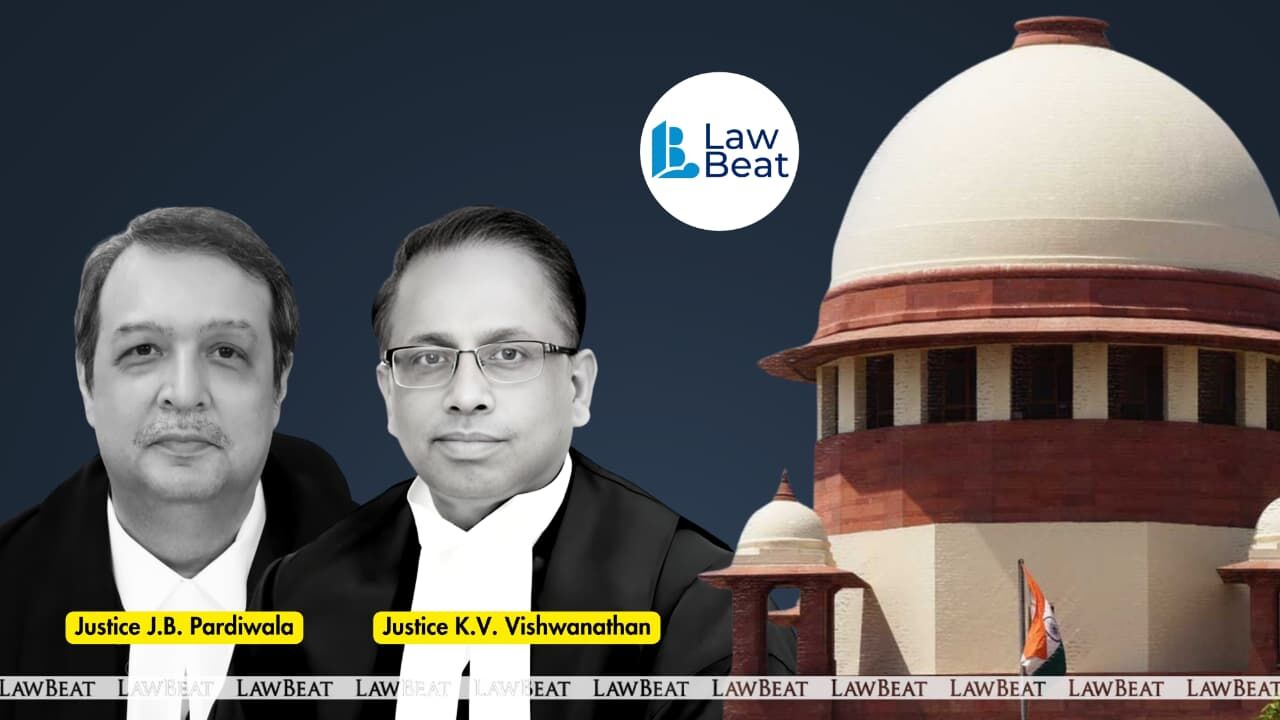
Supreme Court: Dharna Warning Over Delhi High Court Crossing Safety
Summary
- The Supreme Court warned the Centre that its judges might stage a "dharna" if pedestrian safety measures are not installed on Mathura Road by November 25.
- Justices JB Pardiwala and KV Viswanathan expressed dissatisfaction over delays in addressing the safety concerns near the Delhi High Court and National Zoological Park.
- Thousands of pedestrians, including lawyers and children, cross the busy Mathura Road daily without adequate safety infrastructure.
- The Court deemed a recently installed traffic signal insufficient and suggested additional measures like speed breakers and rumble strips.
- This specific warning is part of the Supreme Court's broader proceedings on road safety and pedestrian protection across India.
Judicial Warning Issued
This stern warning underscores the judiciary's increasing assertiveness in compelling governmental action on critical public safety matters.
The Supreme Court recently issued an extraordinary warning to the Centre, indicating that its own judges might stage a "dharna," or sit-in protest, if adequate pedestrian safety measures are not implemented on Mathura Road by November 25. This unusual oral observation was made on October 16 by a Bench comprising Justices JB Pardiwala and KV Viswanathan. The judges expressed profound dissatisfaction with the persistent delays in addressing what they characterized as a fundamental public safety concern.
The specific threat involved the Justices themselves visiting the main gate of the Delhi High Court. They stated their intention to remain there until the necessary pedestrian infrastructure work was fully completed. In a lighter vein, the Bench even remarked that they would not permit Additional Solicitor General Vikramjit Banerjee, who was representing the Centre, to leave the premises until the task was accomplished, emphasizing their resolve to ensure the work's completion. This stern warning underscores the judiciary's increasing assertiveness in compelling governmental action on critical public safety matters.
Persistent Safety Concerns
The focus of the Supreme Court's concern is a critical stretch of Mathura Road, situated near the Delhi High Court junction and the National Zoological Park. This particular area experiences substantial daily pedestrian traffic, with thousands of individuals, including lawyers, litigants, court staff, and children, regularly crossing the busy thoroughfare. Despite this high volume of foot traffic, authorities have failed to establish sufficient arrangements to guarantee safe passage for pedestrians.
The Bench questioned why a relatively straightforward infrastructure problem had remained unresolved for such an extended period, especially given the evident risks posed to pedestrians. While an amicus curiae, senior advocate Gaurav Agrawal, informed the Court on September 15 that a red light had been installed at the crossing, the Justices deemed this measure insufficient. They suggested that a traffic signal alone would not adequately resolve the issue, proposing additional interventions such as speed breakers and rumble strips to effectively slow down vehicles and enhance overall pedestrian safety.
Broader Road Safety Mandate
This specific directive regarding the Delhi High Court crossing is part of the Supreme Court's wider engagement with issues of road safety and the protection of pedestrians across India. In an order dated October 7, 2025, the Court had previously highlighted the inherent dangers faced by individuals crossing Mathura Road near the Delhi High Court and the National Zoological Park. That order explicitly noted the daily use of this stretch by thousands despite the absence of appropriate crossing facilities and traffic-calming measures.
The Court's earlier directive mandated road-owning agencies in 50 identified cities, alongside the National Highways Authority of India, to develop comprehensive action plans and conduct phased surveys to pinpoint locations requiring additional pedestrian crossings. Crucially, the order specifically prioritized the crossing near the Delhi High Court and the National Zoological Park, stipulating that the necessary work be completed within seven months of its issuance. Subsequent proceedings have seen the Bench consistently seeking updates on the progress of these vital safety improvements, indicating a sustained judicial commitment to public safety infrastructure.
Practical Implications
This development signals the Supreme Court's increasing assertiveness and willingness to exert unusual pressure on government authorities to ensure compliance with public safety directives, particularly concerning infrastructure. Lawyers and compliance officers should note this precedent as it may indicate a heightened judicial expectation for prompt action and accountability from public bodies in similar matters, potentially influencing future litigation or regulatory enforcement related to public infrastructure and safety standards across India.
Source
How does this affect you?
Get an AI analysis of this article grounded in your jurisdictions, practice areas, and any policy documents you've uploaded to Wansom.
Finish Reading the Full Story and the Expert Analysis.
Get the latest legal & regulatory intelligence in India
Wansom is AI and can make mistakes.