
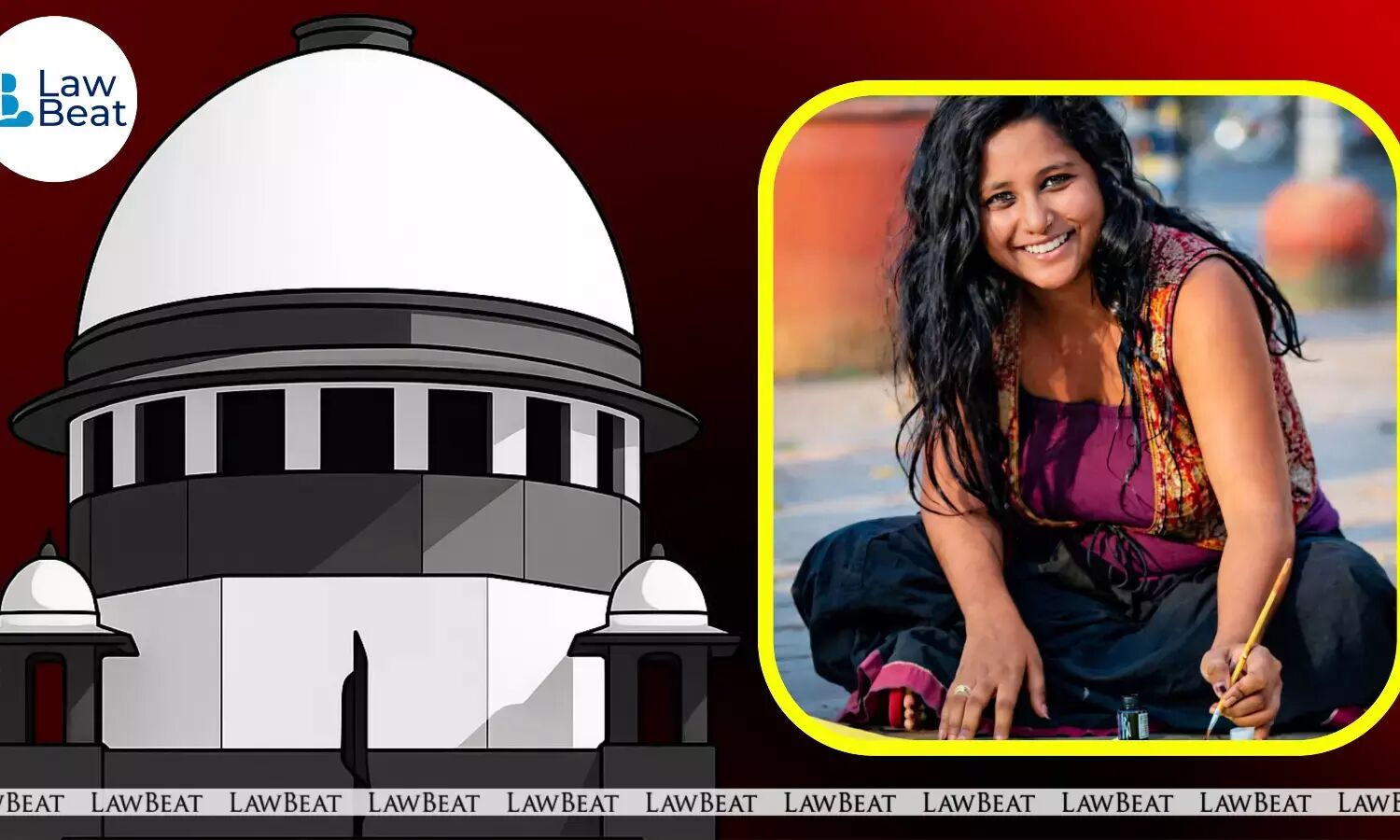
Delhi High Court: Devangana Kalita Allowed to Inspect Unrelied Documents
Summary
- The Supreme Court granted Delhi Police two weeks to file a rejoinder in its challenge to the Delhi High Court order allowing Devangana Kalita to inspect unrelied documents.
- The Supreme Court declined to halt the trial court proceedings on the framing of charges, allowing the trial court to continue with framing charges while the appeal is pending.
- The inspection of unrelied documents is a crucial aspect of the case, and the Supreme Court's decision not to halt the trial court proceedings suggests that it is allowing the trial court to proceed with framing charges before the inspection.
Delhi High Court Order Sparks Supreme Court Intervention
The Delhi High Court's decision to allow Devangana Kalita, an accused in the Delhi riots conspiracy case, to inspect unrelied documents has led to a Supreme Court intervention. The Supreme Court granted Delhi Police two weeks to file a rejoinder in its challenge to the Delhi High Court order, while declining to halt the trial court proceedings on the framing of charges. This development is significant as it highlights the complexities involved in the Delhi riots conspiracy case and the need for careful consideration of each party's claims.
Legal Context: Trial Court Proceedings and Supreme Court Deferment
The trial court proceedings in the Delhi riots conspiracy case have been ongoing, with the prosecution seeking to frame charges against the accused. However, the Supreme Court's deferment of its decision on the Delhi Police's plea has created uncertainty about the future course of action. The Supreme Court's decision not to halt the trial court proceedings suggests that it is allowing the trial court to continue with framing charges while the appeal is pending. This approach may have implications for the accused and their lawyers, who need to be prepared for potential changes in the trial court proceedings.
Why It Matters: Implications for Trial Court Proceedings
The Supreme Court's decision has significant implications for the trial court proceedings in the Delhi riots conspiracy case. The accused and their lawyers should be aware of the potential changes that may arise from the Supreme Court's deferment of its decision. The inspection of unrelied documents is a crucial aspect of the case, and the Supreme Court's decision not to halt the trial court proceedings suggests that it is allowing the trial court to proceed with framing charges while the appeal is pending. This approach may render the pending appeal meaningless if the trial court proceeds with framing charges before the inspection of the documents.
Practical Implications
Lawyers representing clients in the Delhi riots conspiracy case should watch for potential changes to the trial court proceedings and be prepared to advise their clients on the implications of the Supreme Court's decision, particularly with regards to the inspection of unrelied documents.
Source
Source: Original reporting via LawBeat
How does this affect your business?
Get an AI analysis of this article grounded in your jurisdictions, practice areas, and any policy documents you've uploaded to Wansom.
Wansom is AI and can make mistakes.