
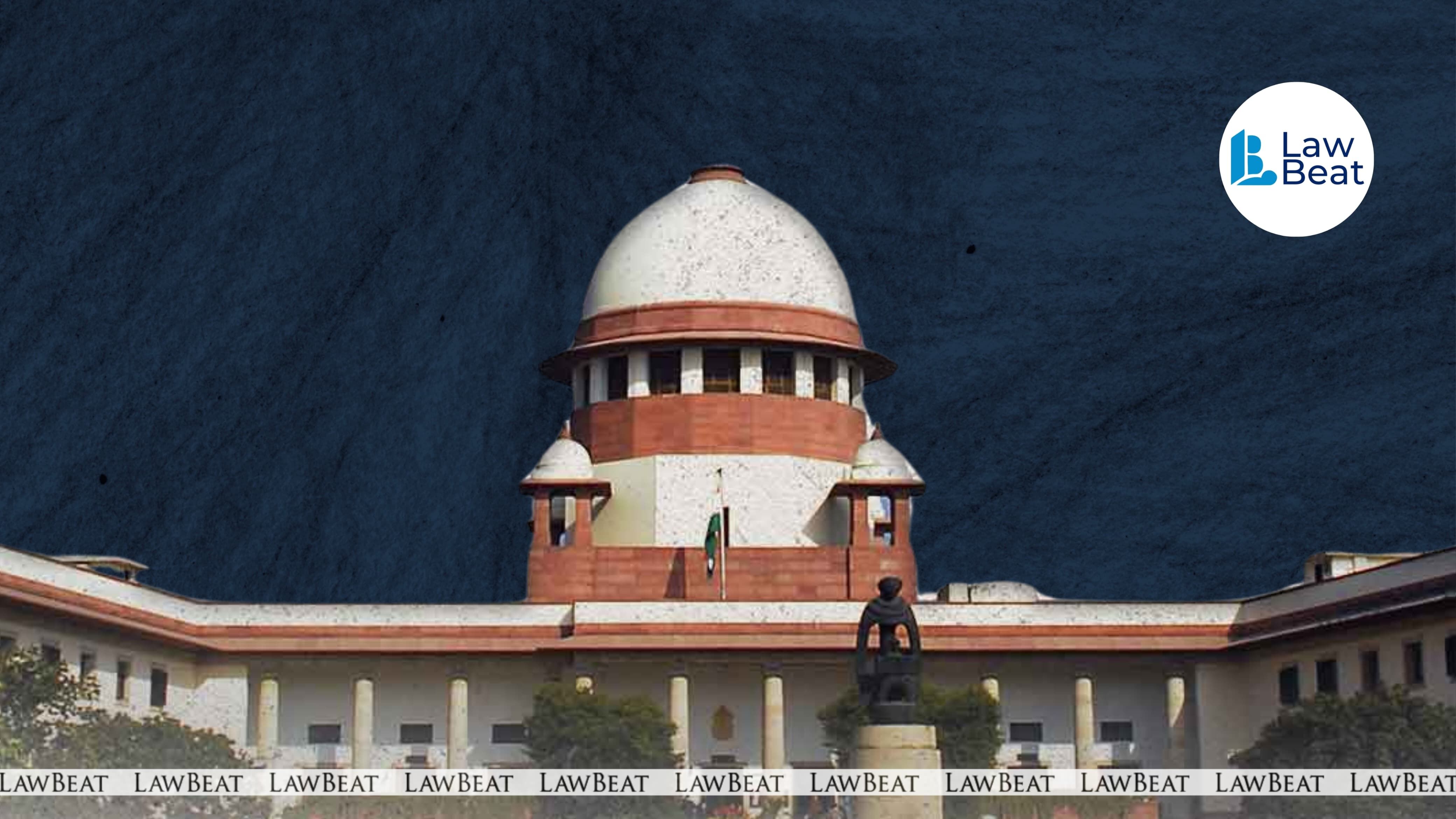
Supreme Court Invokes Article 32 to Grant Bail in 9-Year-Old Murder Case
Summary
- The Supreme Court granted bail to Liakat Ali, who had been incarcerated for over nine years awaiting trial.
- The court invoked Article 32 of the Constitution, citing the 'shocked judicial conscience' caused by the delay in the trial and Ali's prolonged detention without fault on his part.
- Only 12 out of 30 prosecution witnesses had been examined after nine years of incarceration, highlighting the need for expediting trials.
- The Supreme Court emphasized the importance of considering the impact of prolonged incarceration on an individual's life and liberty.
Prolonged Incarceration Sparks Judicial Conscience
The continued delay in trial and prolonged incarceration shocks our judicial conscience
The Supreme Court's recent decision to grant bail to Liakat Ali, who had been incarcerated for over nine years awaiting trial, highlights the need for expediting trials to prevent prolonged incarceration. The court invoked Article 32 of the Constitution, citing the 'shocked judicial conscience' caused by the delay in the trial and Ali's prolonged detention without fault on his part. This rare order underscores the importance of ensuring that trials are conducted efficiently, particularly when an accused person has been incarcerated for an extended period. In this case, the trial had progressed at a snail's pace, with only 12 out of 30 prosecution witnesses examined after nine years of incarceration.
Article 32 and the Constitution
The Supreme Court's reliance on Article 32 to grant bail in this case is significant. This provision empowers the court to issue directions for ensuring that justice is delivered promptly and efficiently. By invoking Article 32, the court acknowledged the need to balance the rights of the accused with the interests of justice. In doing so, it emphasized the importance of considering the impact of prolonged incarceration on an individual's life and liberty.
Liakat Ali's Case: A Test for Expedited Trials
The Supreme Court's decision in Liakat Ali Vs State of Jammu & Kashmir is a landmark ruling that underscores the need for expedited trials. The court noted that, at the present pace, the trial was likely to take considerably more time, and it was incumbent upon the court and the prosecuting agency to expedite the conduct of the trial. This ruling serves as a reminder to lawyers and courts alike that prolonged incarceration can have severe consequences on an individual's life and liberty.
Practical Implications
Lawyers should be aware that the Supreme Court has invoked Article 32 to grant bail in a case where the accused had been incarcerated for over nine years without substantial progress in the trial, highlighting the importance of expediting trials to prevent prolonged incarceration and potential compliance exposures.
Source
How does this affect your business?
Get an AI analysis of this article grounded in your jurisdictions, practice areas, and any policy documents you've uploaded to Wansom.
Wansom is AI and can make mistakes.