
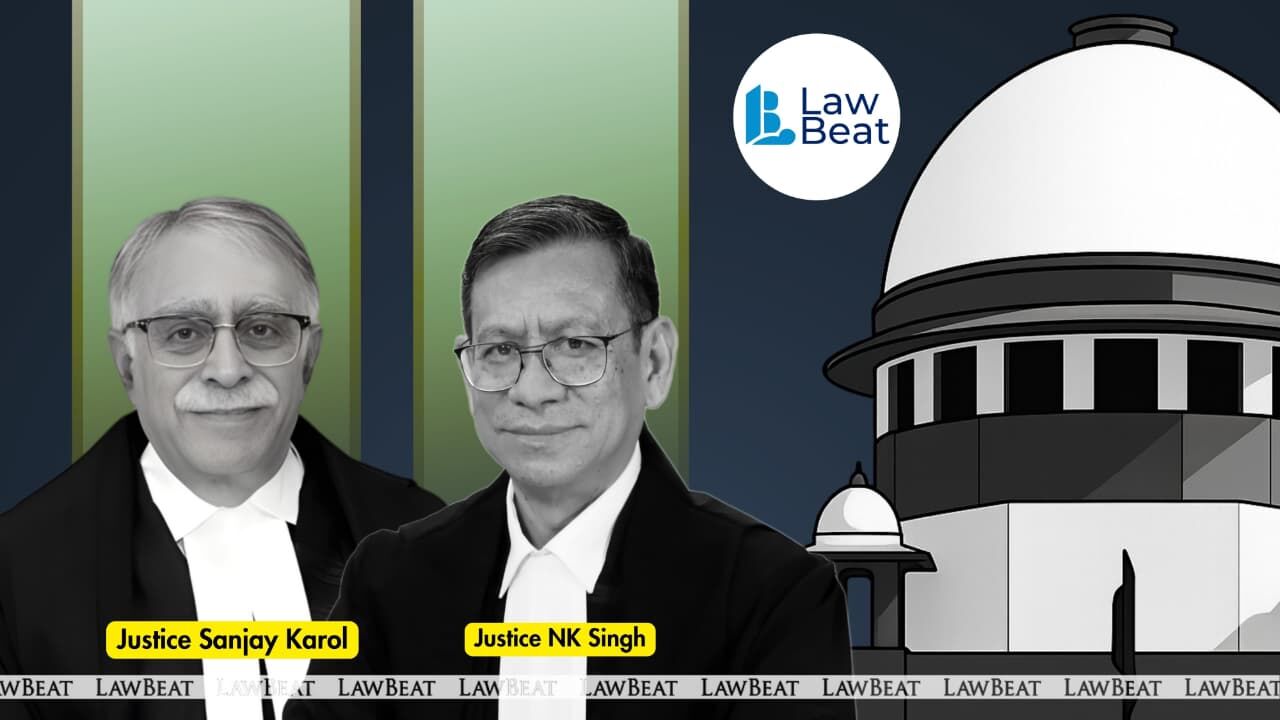
Supreme Court Bars Employers from Using Delay to Defeat Compassionate Appointment
Summary
- The Supreme Court has barred employers from using administrative delay to defeat compassionate appointment claims.
- Employers are duty-bound to act with reasonable promptitude when processing compassionate appointment applications.
- Administrative delay cannot be used to frustrate the object of compassionate appointment schemes, which aim to provide immediate relief to vulnerable families.
- The Supreme Court has reaffirmed its commitment to protecting the rights of employees and their families through compassionate appointments.
Employer's Delay Can't Defeat Compassionate Appointment Claims
Clause 1.1 cannot be construed in a manner that enables the employer to control eligibility through delayed processing.
In a landmark judgment, the Supreme Court has reaffirmed that employers cannot use administrative delay as a means to defeat compassionate appointment claims. This ruling is significant in upholding the principles of fairness under Articles 14 and 16 of the Indian Constitution. The court's decision emphasizes the importance of reasonable promptitude in processing such applications, ensuring that employers act with diligence and communicate any procedural deficiencies on time. By doing so, the Supreme Court has clarified that administrative delay cannot be used to frustrate the object of compassionate appointment schemes.
Compassionate Appointment: A Humanitarian Exception
The Supreme Court's judgment highlights the narrow and humanitarian nature of compassionate appointments, which serve as an exception to the general rule of public employment based on merit and open competition. These appointments are intended to provide immediate relief to families facing sudden financial crises due to the death or medical incapacitation of the sole breadwinner. The court has strictly construed the governing policy for compassionate appointment, underscoring its importance in providing a safety net for vulnerable families. By upholding this principle, the Supreme Court has reaffirmed its commitment to protecting the rights of employees and their families.
Rahul's Case: A Test of Employer Accountability
The Supreme Court's judgment in Rahul's case is a significant test of employer accountability. The respondent company had delayed processing Rahul's application for compassionate appointment, despite having all the necessary documents and reminders from his father. The court found that the company's actions were unreasonable and unjustified, as they failed to inform Rahul about the requirement of a Medical Board certificate until after he crossed the age limit. This ruling serves as a warning to employers that administrative delay cannot be used to defeat compassionate appointment claims, and that they must act with promptitude and fairness in processing such applications.
Practical Implications
Lawyers should be aware that employers cannot use administrative delays to defeat compassionate appointment claims, and must act with reasonable promptitude when processing such applications.
Source
How does this affect your business?
Get an AI analysis of this article grounded in your jurisdictions, practice areas, and any policy documents you've uploaded to Wansom.
Wansom is AI and can make mistakes.