
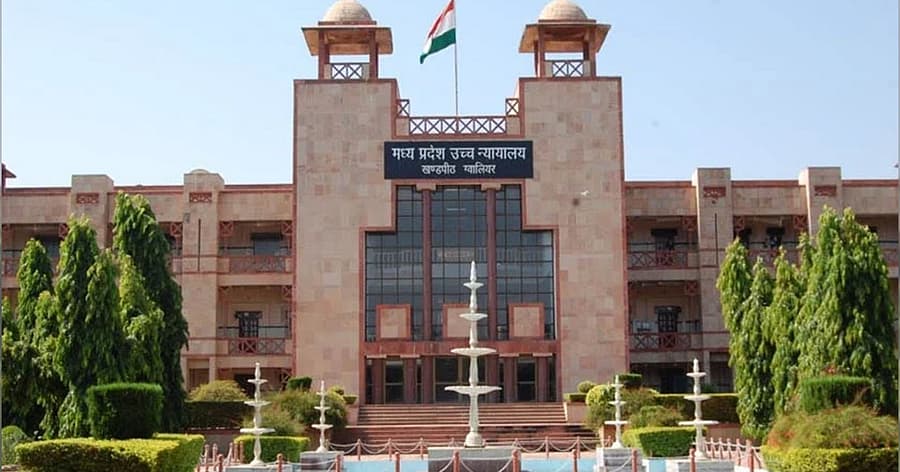
Supreme Court Collegium: Recommends 7 Madhya Pradesh High Court Judges
Summary
- The Supreme Court Collegium recommended seven advocates for appointment as judges to the Madhya Pradesh High Court.
- This decision was made during a Collegium meeting held on October 26, 2026.
- The recommended advocates include Vivek Sharan, Rajesh Kumar Shukla, Kanak Gaharwar, Bhakti Vyas, Shreyas Pandit, Mrinal Elker, and Avinash Zargar.
- The appointments will be finalized after clearance from the Central government and warrants issued by the President of India.
- As of September 2026, the Madhya Pradesh High Court had 15 vacancies, operating with 38 judges against a sanctioned strength of 53.
Key Judicial Appointments Proposed for Madhya Pradesh High Court
The integration of seven new members will significantly alter the court's composition, potentially influencing bench assignments, case management strategies, and the overall pace of judicial proceedings in the near future.
The Supreme Court Collegium has formally put forward the names of seven legal professionals for elevation as judges to the Madhya Pradesh High Court. This significant decision, aimed at bolstering the judicial strength of the high court, was finalized during a Collegium meeting convened on October 26, 2026. The recommendations mark a crucial step in filling existing judicial vacancies within the state's highest court, a move that has been anticipated given the current judicial shortfall.
The advocates whose appointments have been recommended for these esteemed positions include Vivek Sharan, Rajesh Kumar Shukla, Kanak Gaharwar, also known as Kanak Lata Singh, and Bhakti Vyas. Additionally, Shreyas Pandit, Mrinal Elker, who is also referred to as Mrinal Mazumdar, and Avinash Zargar are among those slated for judicial roles. These individuals, all practicing advocates with considerable experience, are now one step closer to assuming their positions on the bench, pending further governmental approvals and the final issuance of warrants.
The Process of Indian High Court Judicial Appointments
Following the Collegium's resolution, these recommendations for MP High Court judge appointments will now proceed to the Central government for its review and necessary processing. The formal appointment of these seven individuals as judges will only become effective once the Central government grants its clearance to the Collegium recommendations Madhya Pradesh. This crucial stage ensures executive oversight in the judicial selection process.
The final step in confirming these Indian High Court judicial appointments involves the President of India. Upon receiving the Central government's approval, the President is responsible for issuing the official warrants of appointment, thereby formally inducting the recommended advocates into their new judicial roles. This multi-stage process underscores the collaborative, yet distinct, roles of the judiciary and the executive in judicial appointments.
Addressing Vacancies and Impact on Court Operations
The Madhya Pradesh High Court currently operates with a significant shortfall in its judicial strength, a situation that has implications for the timely dispensation of justice. Data from September 2026 indicated that the court was functioning with only 38 judges, despite having a sanctioned strength of 53 judges. This disparity has resulted in 15 vacant judicial posts, representing an approximate vacancy rate of 28 percent within the institution, highlighting a pressing need for new appointments.
The proposed addition of seven new judges, including Vivek Sharan, is expected to substantially alleviate these long-standing Madhya Pradesh High Court vacancies. For lawyers practicing in the Madhya Pradesh High Court, these impending judicial appointments are particularly noteworthy. The integration of seven new members will significantly alter the court's composition, potentially influencing bench assignments, case management strategies, and the overall pace of judicial proceedings in the near future. This influx of new talent is poised to enhance the court's capacity to handle its caseload more effectively and contribute to a more robust judicial system in the state.
Practical Implications
Lawyers practicing in the Madhya Pradesh High Court should be aware of these impending judicial appointments, as the addition of seven new judges will significantly alter the court's composition and may impact bench assignments and case management in the near future.
Source
How does this affect you?
Get an AI analysis of this article grounded in your jurisdictions, practice areas, and any policy documents you've uploaded to Wansom.
Finish Reading the Full Story and the Expert Analysis.
Wansom is AI and can make mistakes.