
Supreme Court Clarifies IBC Moratorium Scope: Only Corporate Debtors
Summary
- The Supreme Court has clarified that the IBC moratorium only applies to corporate debtors, not their subsidiaries or directors.
- The court set aside an order by the NCDRC that had halted consumer proceedings against several respondents citing the IBC moratorium.
- The decision highlights the importance of understanding the scope of the IBC moratorium in insolvency proceedings.
What Happened
The scope of the moratorium is statutory. It is not open either to the adjudicating authority or the Court to enlarge its ambit beyond what the statute contemplates.
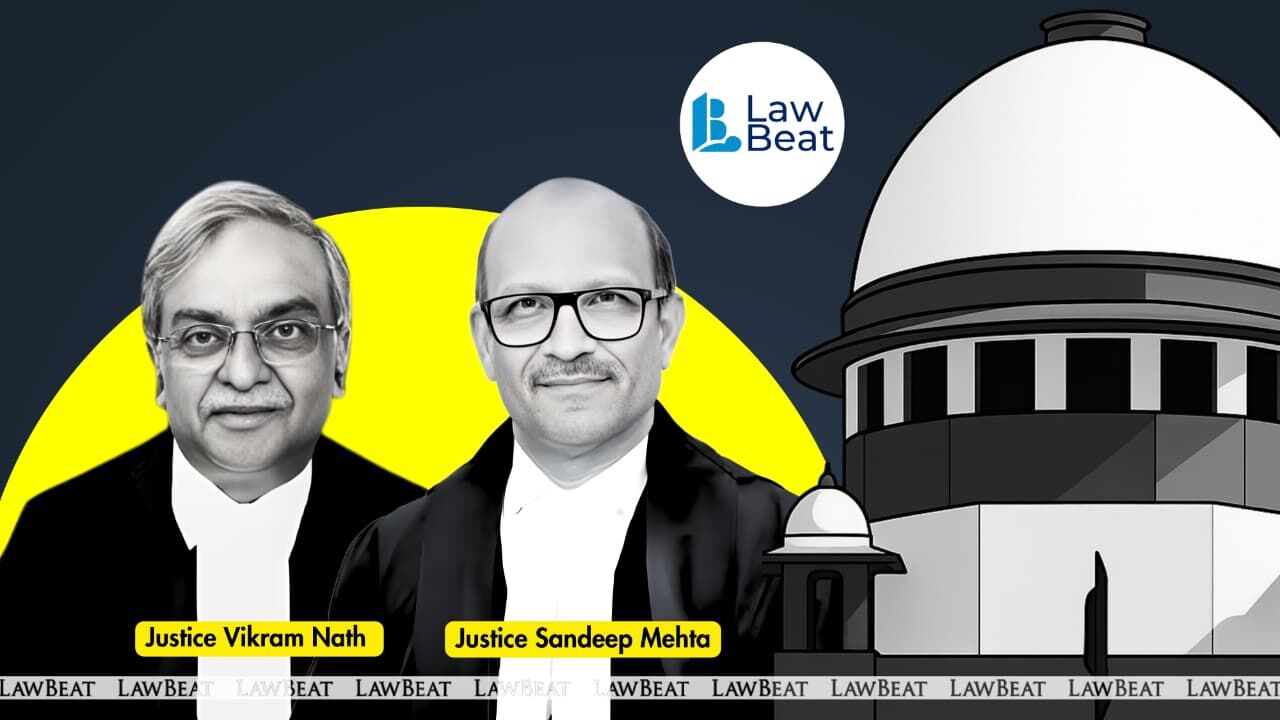
The Supreme Court has clarified the scope of the moratorium under Section 14 of the Insolvency and Bankruptcy Code (IBC), ruling that it only applies to corporate debtors, not their subsidiaries or directors. In a recent judgment, a Bench of Justices Vikram Nath and Sandeep Mehta set aside an order by the National Consumer Disputes Redressal Commission (NCDRC) that had halted consumer proceedings against several respondents, including Mantri Developers Pvt. Ltd., citing the IBC moratorium. The Supreme Court held that the NCDRC's approach was erroneous in assuming that the moratorium could be used to halt proceedings against other respondents. Instead, the court clarified that the moratorium only operates against the corporate debtor and cannot extend to its subsidiary companies, managers, directors, personal guarantors, or other respondents.
Legal Context
The Insolvency and Bankruptcy Code (IBC) provides for a moratorium under Section 14 during the Corporate Insolvency Resolution Process (CIRP). The object of this moratorium is to preserve the assets of the corporate debtor and facilitate an orderly resolution. However, the Supreme Court has now clarified that this moratorium only applies to the corporate debtor and not its subsidiaries or directors. This distinction is crucial for creditors seeking to halt consumer proceedings against corporate debtors, as it means they cannot use the IBC moratorium to shield their subsidiaries or directors from liability. The court's ruling also highlights the importance of understanding the scope of the IBC moratorium in insolvency proceedings.
Why It Matters
The Supreme Court's decision has significant implications for creditors and lawyers advising clients on insolvency matters. It clarifies that the IBC moratorium only applies to corporate debtors, not their subsidiaries or directors, which can be used by creditors to halt consumer proceedings against corporate debtors but not their subsidiaries or directors. This distinction is essential for ensuring that creditors understand the scope of the IBC moratorium and do not inadvertently shield their subsidiaries or directors from liability. Lawyers advising clients on insolvency matters should take note of this decision and ensure that their clients understand the implications for their business.
Practical Implications
This decision clarifies the scope of the IBC moratorium, which can be used by creditors to halt consumer proceedings against corporate debtors, but not their subsidiaries or directors. Lawyers advising clients on insolvency matters should note this distinction and ensure that their clients understand the implications for their business.
Source
How does this affect you?
Get an AI analysis of this article grounded in your jurisdictions, practice areas, and any policy documents you've uploaded to Wansom.
Wansom is AI and can make mistakes.