
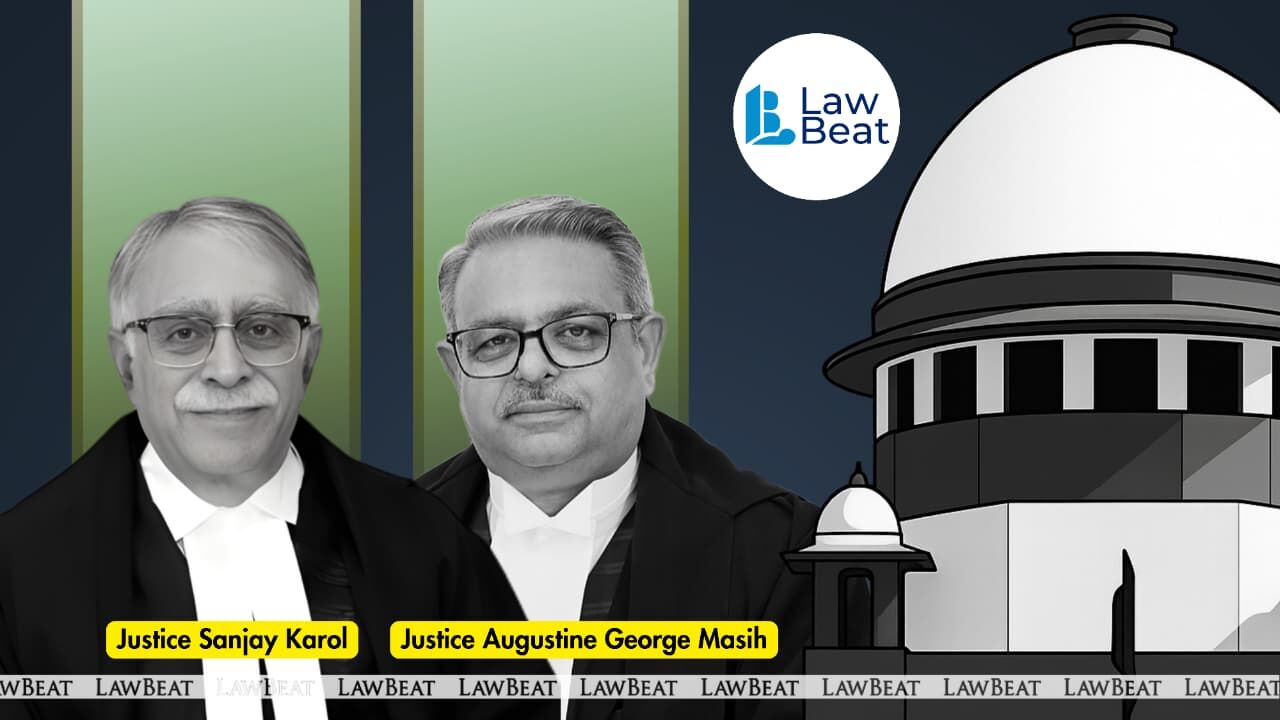
Supreme Court Restricts Judicial Review of President's Clemency Powers in India
Summary
- The Supreme Court has restricted judicial review of President's clemency powers in India.
- Courts can only intervene on limited grounds, including lack of application of mind or manifest arbitrariness.
- Article 32 cannot be used as a shortcut to bypass other legal remedies and ventilate grievances through lower forums or statutory mechanisms.
What Happened
The sanctity of this power is evidenced by the fact that an opportunity to approach the highest Court of the country is itself being made a fundamental right in the Constitution, and that is perhaps the reason why Dr. Ambedkar had termed this as the “most important Article” in the Constitution.
The Supreme Court has significantly restricted judicial review of the President's clemency powers in India, limiting courts' ability to intervene in such cases. In a recent judgment, a Bench of Justices Sanjay Karol and Augustine George Masih held that judicial review of clemency orders under Articles 72 and 161 of the Constitution can only be exercised on limited grounds, including lack of application of mind, mala fide, extraneous considerations, or manifest arbitrariness. This decision has far-reaching implications for those serving life imprisonment sentences, who may need to re-evaluate their options for appeal.
Legal Context
The Supreme Court's judgment is based on the Constitution's provisions regarding judicial review and clemency powers. Article 32 of the Constitution grants the Supreme Court the power to issue writs, including those related to fundamental rights, but it cannot be used as a shortcut to bypass other legal remedies. The Bench noted that the jurisdiction of the Supreme Court under Article 32 is extraordinary and discretionary, designed to protect fundamental rights. However, this right cannot be used to circumvent established procedures or ventilate grievances through lower forums or statutory mechanisms.
Why It Matters
The Supreme Court's decision has significant implications for lawyers and compliance officers advising clients serving life imprisonment sentences. With restricted judicial review of clemency powers, courts can only intervene on limited grounds, making it essential for clients to understand their options for appeal. The judgment also highlights the importance of Article 32 in protecting fundamental rights, but emphasizes that this right cannot be used as a means to bypass other legal remedies. As Dr. Ambedkar had termed Article 32 as the 'most important Article' in the Constitution, its sanctity and significance are evident in the Supreme Court's judgment.
Practical Implications
Lawyers and compliance officers should note that the Supreme Court has restricted judicial review of President's clemency powers in India, meaning courts can only intervene on limited grounds such as lack of application of mind or manifest arbitrariness. This decision may impact clients serving life imprisonment sentences, who may need to be advised on their options for appeal.
Source
How does this affect you?
Get an AI analysis of this article grounded in your jurisdictions, practice areas, and any policy documents you've uploaded to Wansom.
Wansom is AI and can make mistakes.