
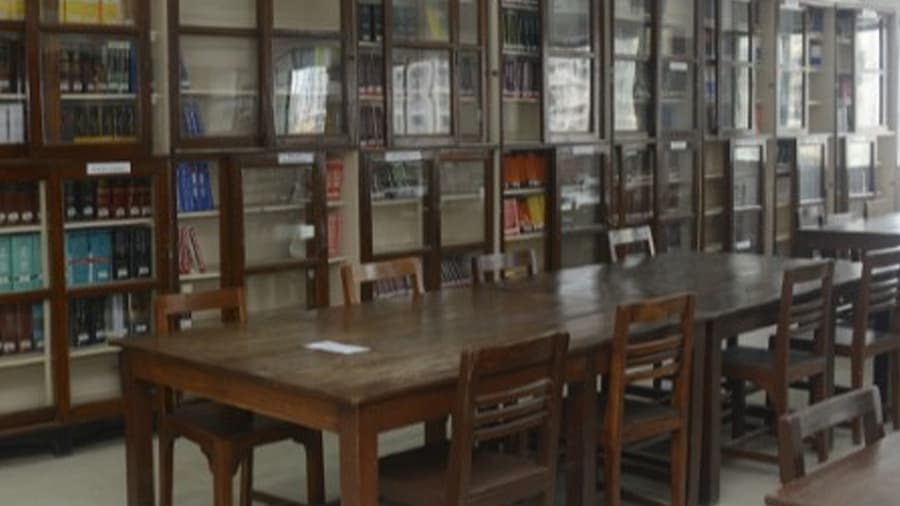
Supreme Court: Central Secretariat Library Relocation Plan Questioned
Summary
- The Supreme Court questioned the Central government's relocation plans for the 135-year-old Central Secretariat Library.
- The library is being moved from Shastri Bhawan, which is slated for demolition as part of the Central Vista redevelopment.
- Justices PV Sanjay Kumar and Sanjeev Sachdeva expressed concern over the "ad hoc approach" and the lack of respect for the library's historical significance.
- The Court initiated a suo motu case after an Indian Express report highlighted issues with the proposed shift.
- The Central government assured the Court that no books would be moved before the next hearing on November 20.
Judicial Scrutiny Over Library Relocation
The Supreme Court's pointed questioning of the government's 'ad hoc approach' to the India Supreme Court heritage library relocation underscores a critical legal and ethical consideration for public infrastructure projects.
India's Supreme Court recently scrutinized the Central government's plans for the Supreme Court Central Secretariat Library relocation, expressing significant reservations regarding the arrangements for moving the 135-year-old institution. The Court's intervention came as the Central Secretariat Library, currently housed in Shastri Bhawan, faces displacement due to the building's impending demolition as part of the broader Central Vista redevelopment project. Justices PV Sanjay Kumar and Sanjeev Sachdeva, presiding over the bench, specifically highlighted concerns about what appeared to be an insufficient and hastily conceived strategy for handling the library's extensive collection.
During the proceedings, the judicial panel conveyed its apprehension about the perceived lack of proper planning for the library's transfer. The Court pointedly questioned the government's commitment to safeguarding the historical value embedded within the library's holdings. A key development from the hearing was the Central government's assurance to the Court that no books would be moved from their current location before the subsequent hearing scheduled for November 20, providing a temporary reprieve for the collection.
Historical Significance and Suo Motu Intervention
The Central Secretariat Library, operating under the Union Ministry of Culture, boasts a rich history, having been founded in Calcutta in 1891 as the Imperial Secretariat Library. Its collection, which the Court noted includes materials dating back to 1702, represents a substantial cultural and intellectual asset for the nation. The Supreme Court's strong remarks underscored the institution's view of the library as a vital piece of national heritage, suggesting that if the government did not value it, other nations might. This sentiment reflects a deeper concern about the preservation of such invaluable resources during large-scale urban development initiatives.
The Court's engagement with the issue stems from a suo motu case, meaning it initiated proceedings on its own motion. This judicial action was prompted by a report published in The Indian Express, which brought to light various concerns surrounding the proposed Central Secretariat Library shift. The suo motu intervention signals an increased judicial willingness to oversee government projects that could impact cultural or historical assets, particularly when questions arise about due diligence and respect for heritage.
Implications for Heritage Preservation
The Supreme Court's pointed questioning of the government's 'ad hoc approach' to the India Supreme Court heritage library relocation underscores a critical legal and ethical consideration for public infrastructure projects. The bench's remarks, including the striking suggestion that the collection be given to another country if not properly valued domestically, highlight a judicial expectation for meticulous planning and reverence when dealing with historical institutions. This strong stance could set a precedent for how future government redevelopment schemes, especially those under the Central Vista redevelopment library umbrella, are evaluated and executed, particularly concerning cultural preservation.
This judicial scrutiny over the suo motu Central Secretariat Library case suggests that government bodies undertaking major redevelopments must demonstrate comprehensive strategies for protecting and relocating historical assets. The Court's emphasis on the library's status as "practically a heritage for us" indicates that mere relocation is insufficient; the process itself must reflect an understanding and respect for the intrinsic value of such collections. This could lead to more rigorous requirements for environmental impact assessments and heritage impact assessments in future projects, ensuring that development does not come at the expense of irreplaceable cultural legacies.
Practical Implications
This Supreme Court intervention signals increased judicial scrutiny over government redevelopment projects, particularly concerning the preservation of cultural and historical assets. Lawyers advising on public infrastructure projects or involved in public interest litigation should note the Court's emphasis on proper planning and respect for heritage, which could influence future project approvals and challenges.
Source
How does this affect you?
Get an AI analysis of this article grounded in your jurisdictions, practice areas, and any policy documents you've uploaded to Wansom.
Finish Reading the Full Story and the Expert Analysis.
Get the latest legal & regulatory intelligence in India
Wansom is AI and can make mistakes.