
MP High Court: Govind Mogia v State of Madhya Pradesh Affirms Tribal Status Proof
Summary
- The MP High Court ruled that a father's caste certificate and family records alone are insufficient to prove Scheduled Tribe status.
- The court dismissed a 2013 petition by Mogia Tribe claimants, upholding an August 2012 High Power Scrutiny Committee decision.
- Petitioners had previously secured a High Court order in 2010 for reconsideration, citing the Kumari Madhuri Patil precedent.
- The High Court emphasized that the scrutiny committee is the specialized body for such claims and its findings cannot be easily overturned.
- The ruling reinforces the need for comprehensive evidence beyond ancestral documents for tribal status verification.
What Happened
The mere existence of certain documents indicating the caste or tribal status of the ancestors or other family members does not, by itself, confer an indefeasible right to recognition as a member of a Scheduled Tribe.
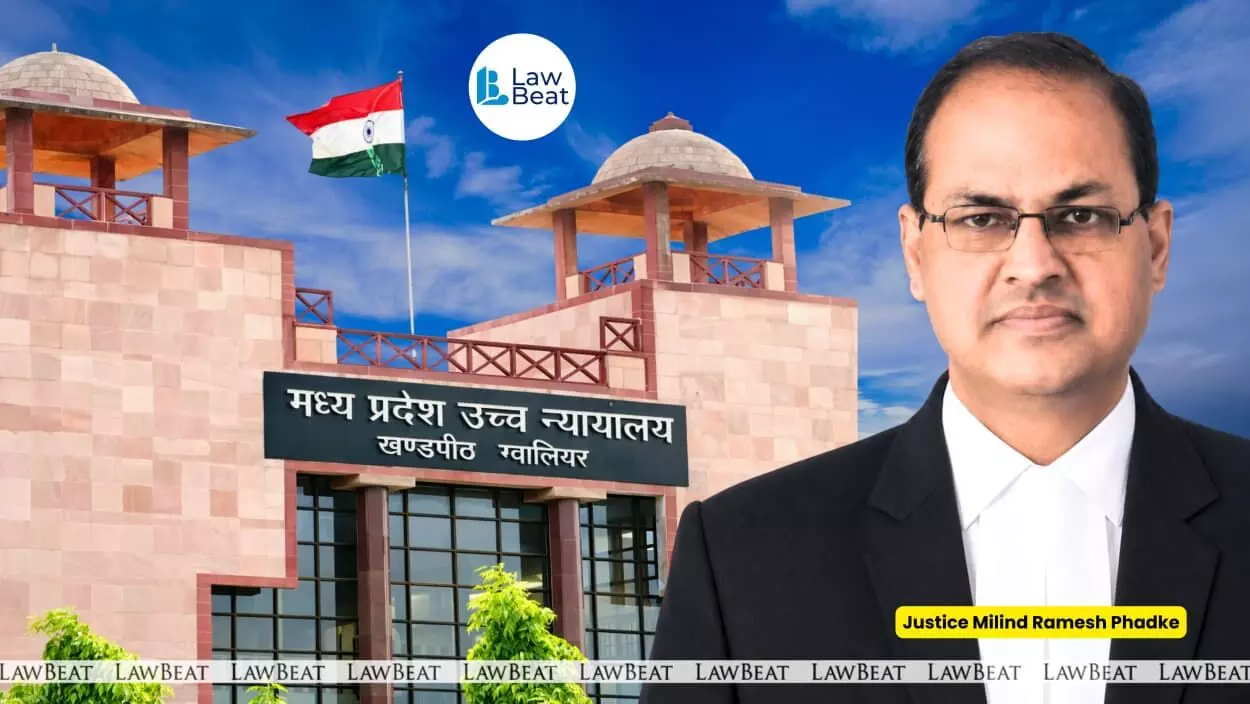
The Madhya Pradesh High Court, specifically its Gwalior bench, recently affirmed that a father's caste certificate, along with other family records, does not automatically grant an individual Scheduled Tribe (ST) status. In a decision dated November 5, 2026, Justice Milind Ramesh Phadke dismissed a 2013 writ petition filed by individuals claiming to belong to the Mogia Tribe, which is recognized as a Scheduled Tribe in Madhya Pradesh. This ruling reinforces the rigorous standards required for tribal status proof in India.
The petitioners, in the case of Govind Mogia and Others v. State of Madhya Pradesh and Another, had sought official recognition of their Scheduled Tribe status. Their claim was based on various documents, including their father's caste certificate, records indicating his appointment to a reserved post, school documents, and revenue records. However, the High Court declined to overturn an August 21, 2012 decision by the High Power Scrutiny Committee, which had previously rejected their claim. The court found no illegality, procedural flaw, or jurisdictional error in the committee's determination that would warrant judicial intervention.
Legal Background and Prior Proceedings
This recent High Court decision marks the second round of litigation for the petitioners regarding their tribal status. Their initial claim was first rejected by the High Power Scrutiny Committee on October 13, 2008. This initial rejection prompted the petitioners to file Writ Petition No. 1889 of 2009, which the High Court allowed on December 2, 2010. In that earlier ruling, the court had instructed the committee to re-evaluate the claim, adhering to the procedural guidelines established by the Supreme Court in the landmark case of Kumari Madhuri Patil v. Additional Commissioner, Tribal Development (1994).
Following this directive, the committee reconsidered the matter, but again rejected the petitioners' claim. Advocate Divakar Vyas, representing the petitioners, contended that this subsequent rejection was flawed. He argued that the committee failed to provide an effective hearing, did not properly weigh the evidence presented, and issued a cryptic order. Furthermore, the petitioners alleged that a Vigilance Officer's report, which they believed supported their case, was neither provided to them nor considered by the committee. They also raised concerns about the committee's quorum, asserting that the order was passed by only four members, contrary to established requirements for the committee's composition. Vyas also highlighted a State Government circular from February 28, 2005, which aimed to clarify the distinction between the Mogia Tribe (ST) and the Moghia caste (Scheduled Caste).
The Court's Rationale
Government Advocate Dharmendra Nayak, representing the state, countered these arguments by emphasizing the specialized role of the High Power Scrutiny Committee in adjudicating such claims. He asserted that merely having similar-sounding names or caste certificates issued to other family members does not definitively establish tribal status. Nayak also clarified that the High Court's 2010 order had merely mandated a fresh review by the committee, not an automatic acceptance of the petitioners' claim. He argued that the committee's findings should not be set aside simply because an alternative interpretation of the evidence might exist.
The High Court concurred with the state's position, stating that "The mere existence of certain documents indicating the caste or tribal status of the ancestors or other family members does not, by itself, confer an indefeasible right to recognition as a member of a Scheduled Tribe." The court further elaborated that such documents must be evaluated in conjunction with all other pertinent circumstances and materials, in strict adherence to applicable constitutional provisions and prescribed procedures. It explicitly rejected the petitioners' interpretation that the 2010 directive compelled the committee to accept their claim or issue ST certificates. Instead, the court clarified that the committee was tasked with conducting a fresh assessment and reaching its own conclusions based on the evidence presented. The court also dismissed the petitioners' complaints regarding the documentary evidence, the Vigilance Officer’s report, and the committee's quorum.
Why It Matters
This ruling from the MP High Court underscores the stringent evidentiary requirements for establishing Scheduled Tribe status in India. It serves as a critical reminder that while ancestral documents, such as a father's caste certificate or family records, are part of the evidence, they are not, on their own, sufficient to prove tribal identity. The decision reinforces the authority and specialized function of the High Power Scrutiny Committee as the primary body for verifying such claims, particularly when challenged under Article 226 of the Constitution.
For legal practitioners advising clients on tribal status claims, this judgment highlights the imperative of presenting comprehensive and multifaceted evidence that goes beyond mere familial lineage. It emphasizes that the verification process demands a thorough examination of all relevant factors and adherence to established procedures, as outlined in precedents like Kumari Madhuri Patil. The court's stance that it will not interfere with committee decisions unless there is a clear showing of illegality, procedural infirmity, or jurisdictional error sets a high bar for overturning such determinations, thereby strengthening the integrity of the tribal status verification system.
Practical Implications
Lawyers advising clients on Scheduled Tribe status claims in India must understand that a father's caste certificate or family records alone are insufficient proof. This ruling emphasizes the need for comprehensive evidence and adherence to the High Power Scrutiny Committee's rigorous verification process, particularly when challenging committee decisions under Article 226.
Source
How does this affect you?
Get an AI analysis of this article grounded in your jurisdictions, practice areas, and any policy documents you've uploaded to Wansom.
Finish Reading the Full Story and the Expert Analysis.
Get the latest legal & regulatory intelligence in India
Wansom is AI and can make mistakes.