
Supreme Court: Bilquis Mir Deputation Timely Decision on Employee Requests
Summary
- The Supreme Court ruled that government employees have a right to fair, reasonable, and timely consideration of requests for deputation, foreign travel, or national assignments.
- This right, though not absolute, subjects administrative discretion to the principles of Article 14 of the Constitution.
- The ruling stemmed from an appeal by the Indian Kayaking and Canoeing Association concerning Bilquis Mir, a teacher whose national coaching assignment for the Asian Games 2026 was jeopardized by delayed approval from Jammu and Kashmir authorities.
- The Court emphasized that administrative delays in time-sensitive matters can defeat the purpose of the request and lead to irreversible loss.
- Authorities must consider relevant factors, exclude irrelevant ones, and apply their minds to the request's purpose within a reasonable timeframe.
What Happened
In time-sensitive administrative matters, delay can entirely defeat the very purpose for which the power to decide is meant to be exercised.
The Supreme Court recently underscored the necessity of timely decision-making by government authorities regarding requests from their employees for deputation, foreign travel, or national assignments. This significant ruling emerged from an appeal filed by the Indian Kayaking and Canoeing Association against the Union Territory of Jammu and Kashmir, which centered on the case of Bilquis Mir, a government employee serving as a Physical Education Teacher. Ms. Mir had been selected for a crucial coaching assignment with the Indian National Kayaking and Canoeing Team, part of its preparatory program for the upcoming Asian Games in 2026.
Despite the time-sensitive nature of this national sporting commitment, the Jammu and Kashmir authorities failed to make a prompt decision on her request to be relieved for the assignment. Their eventual rejection cited various reasons, including Ms. Mir's prior foreign visits, a pending departmental inquiry, questions surrounding her B.P.Ed. qualification, and a reference from the Anti-Corruption Bureau. The government order ultimately stated that the ongoing inquiry disqualified her from receiving permission.
The Supreme Court, however, found that the authorities had not adequately considered the specific context of a national coaching role or the urgency inherent in such an assignment. Communications regarding her request were sent on February 3, March 1, and April 2, 2026, yet the decision was unduly delayed. Critically, the final rejection was issued only after the specific Hungary assignment, which was part of the preparatory program, had already concluded, rendering the opportunity effectively lost. The Court also identified an inconsistency within the government's own order.
Legal Context and Administrative Discretion
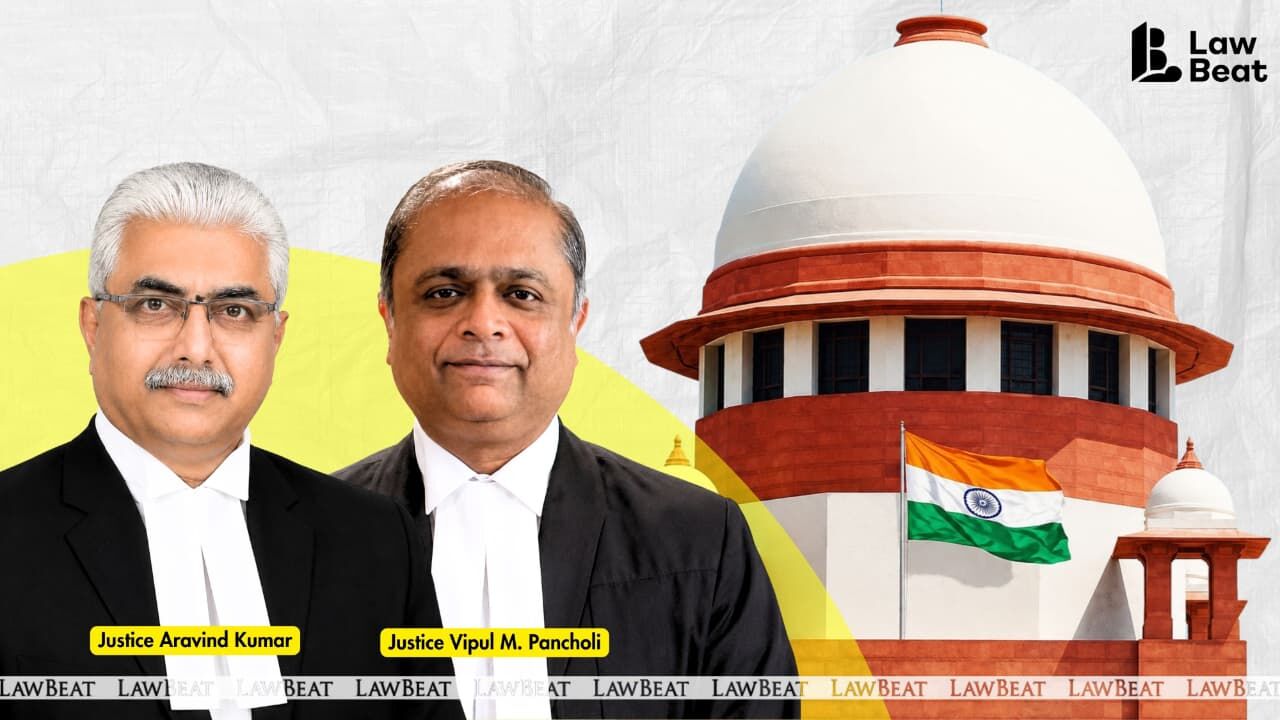
A Bench comprising Justices Aravind Kumar and Vipul M Pancholi clarified that while government employees do not possess an absolute right to deputation or foreign travel, they undeniably hold a right to have such requests considered fairly, reasonably, and without arbitrariness, all within a reasonable timeframe. This principle is rooted in Article 14 of the Constitution, which mandates equality before the law and equal protection of the laws, extending its reach to the exercise of administrative discretion in India.
The Court emphasized that administrative authorities, when exercising their discretionary powers, must adhere to specific guidelines. This includes a thorough consideration of all relevant factors pertinent to the request, while consciously excluding any irrelevant considerations. Furthermore, decision-makers are required to apply their minds diligently to the stated purpose of the request and ensure that a determination is reached within a reasonable period. This framework ensures that even discretionary powers are not wielded arbitrarily but are subject to constitutional scrutiny.
Regarding requests from recognized National Sports Federations, the Supreme Court provided additional guidance. Authorities are specifically directed to take into account the unique characteristics of such assignments, including their limited duration, national significance, potential safeguards that can be implemented, and the detrimental consequences that can arise from any delay. The employer retains discretion over releasing an employee for such duties, but this discretion must always be exercised judiciously, based on pertinent considerations, and in a manner that genuinely serves the underlying purpose of the request.
Why It Matters
This landmark ruling by the Supreme Court holds significant implications for government employees seeking opportunities for professional growth, national service, or international exposure, particularly in time-sensitive fields like sports. It firmly establishes that administrative delays, especially in matters requiring prompt action, can themselves be a form of arbitrary decision-making, subject to judicial review under Article 14. The Court explicitly stated that in time-sensitive administrative matters, delay can entirely defeat the very purpose for which the power to decide is meant to be exercised.
The judgment highlights that a decision rendered long after the relevant opportunity has passed, either substantially or wholly, cannot adequately rectify the initial failure to act. This is particularly true when such delays lead to an irreversible loss for the employee or the national interest they seek to serve. By allowing the appeal from the Indian Kayaking and Canoeing Association, the Court reinforced the principle that government departments must establish transparent and prompt decision-making processes for requests concerning deputation, foreign travel rights, and national assignments.
Ultimately, this decision clarifies that while government employees may not have an inherent right to be granted every request, they are entitled to a fair consideration process and a timely decision. It serves as a crucial reminder to administrative bodies across India that their discretion is not absolute and must be exercised within the bounds of reasonableness and constitutional propriety, thereby preventing arbitrary actions and ensuring fair treatment for all government employees.
Practical Implications
This ruling clarifies that while government employees lack an absolute right to deputation or foreign travel, they possess a right to fair, reasonable, and timely consideration of such requests, subjecting administrative discretion to Article 14. Lawyers should advise government employees on challenging arbitrary delays or rejections, and counsel government departments on establishing transparent and prompt decision-making processes to avoid judicial intervention.
Source
How does this affect you?
Get an AI analysis of this article grounded in your jurisdictions, practice areas, and any policy documents you've uploaded to Wansom.
Finish Reading the Full Story and the Expert Analysis.
Get the latest legal & regulatory intelligence in India
Wansom is AI and can make mistakes.