
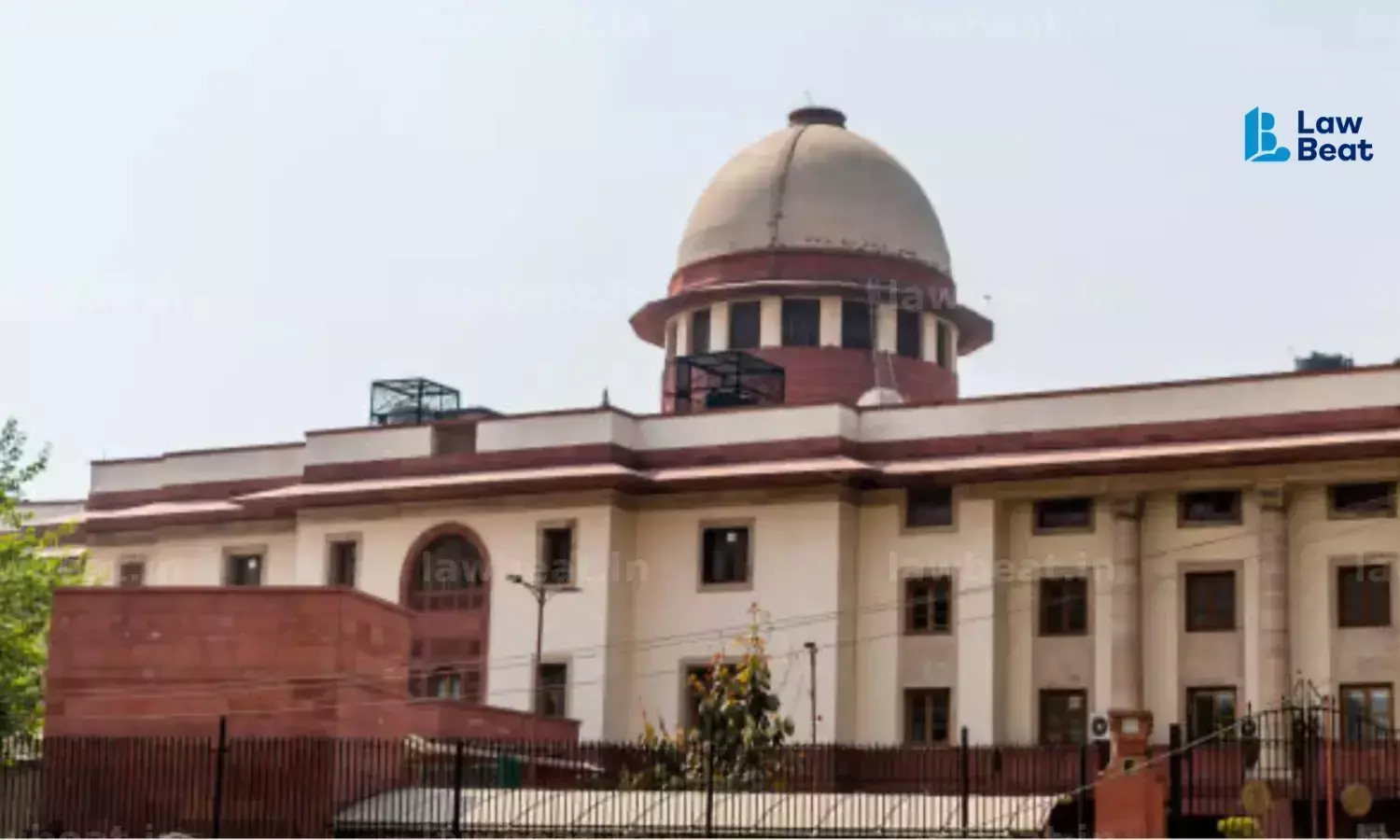
Supreme Court: Amicus Appointed for Aman Sharma Death Case
Summary
- The Supreme Court has taken suo motu cognizance of the suspicious death of Delhi Judicial Service officer Aman Sharma.
- Senior Advocate Haripriya Padmanabhan has been appointed as amicus curiae to assist the Court in the proceedings.
- A bench led by CJI Surya Kant has directed the investigating agency to submit a status report by December 7, 2026.
- Aman Sharma, 30, was found dead on May 2, 2026, with his family alleging harassment by his wife and in-laws.
- An FIR was registered against his wife under Sections 61 and 108 of the Bharatiya Nyaya Sanhita, pertaining to criminal conspiracy and abetment of suicide.
The Tragic Demise of a Delhi Judicial Officer
This high-profile monitoring by the Supreme Court amicus Aman Sharma death case could establish important precedents for how such sensitive investigations are conducted and overseen, potentially influencing future interpretations of the BNS regarding abetment of suicide and criminal conspiracy.
The untimely death of Aman Sharma, a 30-year-old Delhi Judicial Service officer, has prompted significant judicial scrutiny following its classification as a suspected suicide. Sharma was discovered deceased at his residence in Delhi's Safdarjung Enclave on May 2, 2026, an event that quickly drew the attention of authorities and the public alike. The circumstances surrounding his passing were deemed suspicious, leading to a deeper investigation.
Following this tragic discovery, Sharma's family came forward with serious allegations. His father lodged a formal complaint, asserting that the young judge had been subjected to harassment by his wife, who also holds a judicial position, and her family. These accusations led to the registration of a First Information Report (FIR) against Sharma's wife. The charges invoked Sections 61 (criminal conspiracy) and 108 (abetment of suicide) of the newly enacted Bharatiya Nyaya Sanhita (BNS), underscoring the gravity of the family's claims. Initially handled by the Delhi Police, the complex nature of the case necessitated its transfer to the Crime Branch for a more specialized and thorough inquiry.
Supreme Court Initiates Suo Motu Oversight
Responding to emerging reports regarding the suspicious death of Judge Aman Sharma, the Supreme Court of India took suo motu cognizance of the matter on October 30, 2026. This proactive step by the apex court highlights the seriousness with which it views cases involving the integrity and well-being of judicial officers. A distinguished bench, presided over by Chief Justice of India Surya Kant and including Justices Joymalya Bagchi and V Mohana, subsequently issued crucial directives on November 6, 2026, to ensure a comprehensive and impartial investigation.
Central to the Supreme Court's intervention was the appointment of Senior Advocate Haripriya Padmanabhan as amicus curiae. Her role as amicus curiae will be to assist the Court in navigating the complexities of the case, providing independent legal expertise and ensuring all relevant aspects are considered. The bench, led by CJI Surya Kant, specifically mandated the investigating agency to furnish a detailed status report concerning the circumstances of the Delhi Judicial Service officer death. Furthermore, the Court issued a formal notice, scheduling the matter to be returnable on December 7, 2026, indicating its intent for ongoing oversight and timely updates on the progress of the investigation into the suspicious death of Judge Aman Sharma.
Judicial Career and Legal Ramifications
Aman Sharma had a promising career in the judiciary, having joined the Delhi Judicial Service in June 2021 after completing his legal education at Symbiosis Law School, Pune. Throughout his tenure, he served in various capacities, including as a Judicial Magistrate First Class and a Civil Judge. Since October 2025, he had been serving as the Secretary of the District Legal Services Authority (DLSA) for the North East District, based at Karkardooma Courts, a role that underscored his commitment to legal aid and public service.
The legal proceedings initiated following his death, particularly the charges under the Bharatiya Nyaya Sanhita for abetment of suicide, carry significant weight. The Supreme Court's decision to appoint Haripriya Padmanabhan as amicus curiae in these suo motu proceedings concerning the Aman Sharma death underscores the judiciary's commitment to transparency and accountability, especially when one of its own members is involved. This high-profile monitoring by the Supreme Court amicus Aman Sharma death case could establish important precedents for how such sensitive investigations are conducted and overseen, potentially influencing future interpretations of the BNS regarding abetment of suicide and criminal conspiracy.
Practical Implications
Lawyers practicing criminal law, particularly those involved in cases of abetment of suicide or matters concerning judicial integrity, should closely follow this Supreme Court-monitored investigation. The proceedings may establish important precedents regarding investigative standards, judicial oversight in sensitive cases involving its own members, and interpretations of the Bharatiya Nyaya Sanhita (BNS) concerning abetment of suicide.
Source
How does this affect you?
Get an AI analysis of this article grounded in your jurisdictions, practice areas, and any policy documents you've uploaded to Wansom.
Finish Reading the Full Story and the Expert Analysis.
Get the latest legal & regulatory intelligence in India
Wansom is AI and can make mistakes.