
Sudanese Army Drone Strike West Kordofan: 15 Civilians Killed
Summary
- A Sudanese army drone strike killed 15 civilians, including four children, near Abu Zabad in West Kordofan on November 16, 2026.
- The Kordofan Monitor reported the drone targeted a football field and civilian homes, causing injuries, animal deaths, and property destruction.
- The attack was part of a series of drone strikes by the Sudanese army as it advanced towards Al-Nahud, West Kordofan's largest city.
- The incident raises serious concerns about potential violations of international humanitarian law and possible war crimes due to civilian targeting.
- The Kordofan Monitor strongly condemned the strike and called for accountability for the civilian casualties.
Deadly Drone Strike in West Kordofan
This incident highlights potential violations of international humanitarian law by the Sudanese Armed Forces, requiring legal practitioners to monitor for accountability mechanisms and potential war crimes investigations, particularly concerning the targeting of civilians and civilian infrastructure in conflict zones.
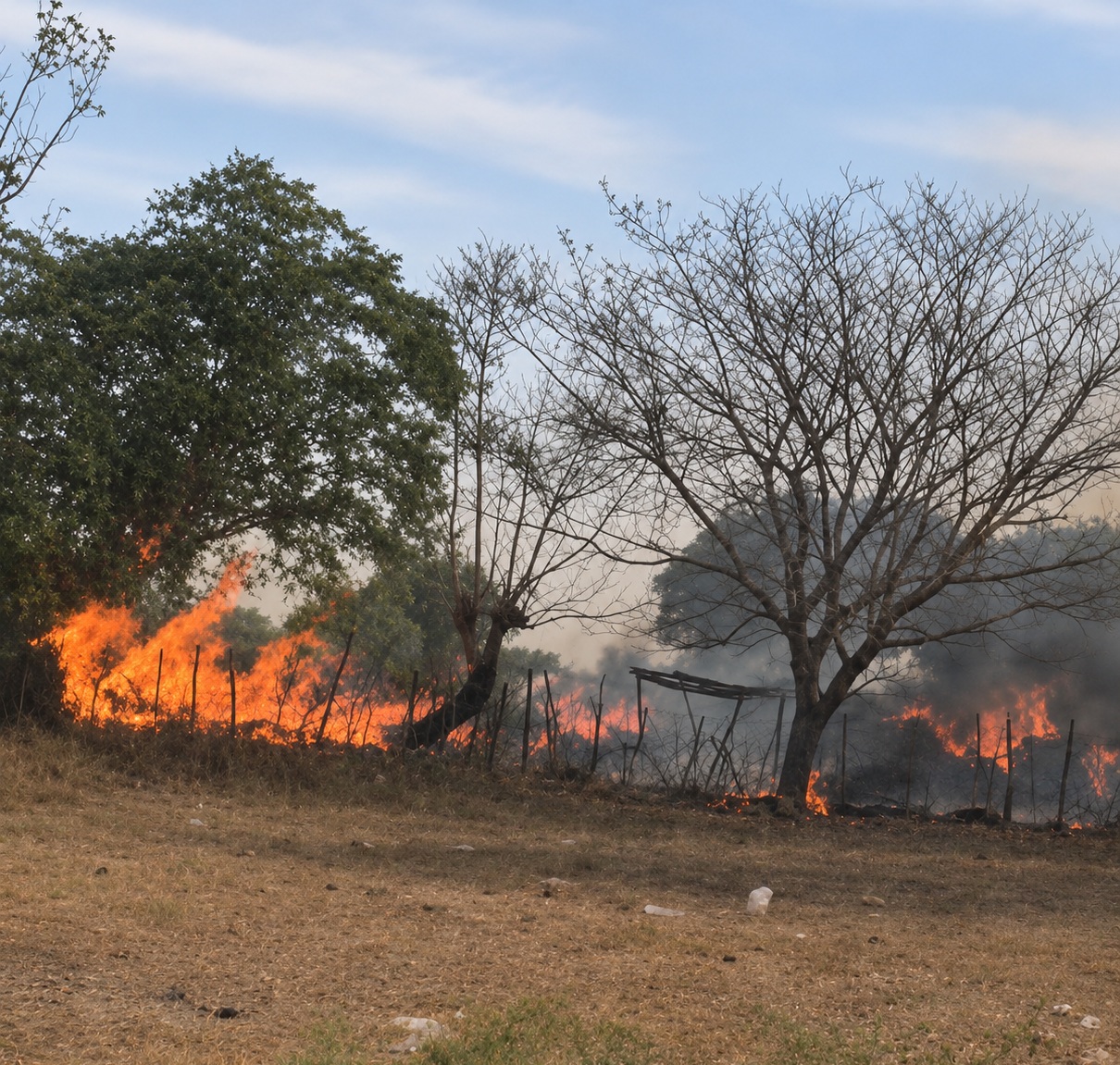
A recent Sudanese army drone strike in West Kordofan resulted in the deaths of 15 civilians, including four children, according to a report by the Kordofan Monitor, a human rights observatory. The incident occurred on Sunday, November 16, 2026, targeting a village located near the city of Abu Zabad. This particular Abu Zabad drone attack civilians has drawn strong condemnation from the monitor, highlighting the severe impact on non-combatants.
The drone specifically struck a football field within the village, leading to the immediate deaths of four children. Furthermore, the aerial assault targeted several civilian residences, causing some to be completely engulfed in flames and killing their occupants. Beyond human casualties, the attack also led to the death of animals and the destruction of multiple homes, as detailed by the Kordofan Monitor. The victims identified by the monitor include Mohamed Ibrahim Nahid and his wife Munira Ibrahim, Islam Babu, Fatima Daw Al-Bait Abdullah, Ajiba Al-Nour, and Mustafa Ahmadiya. Additionally, two children from the Ammar Al-Banna family, two other unidentified children, three individuals whose bodies were charred beyond recognition, and two people from Umm Ba'ouda village were among those killed.
Broader Military Operations and Civilian Impact
The deadly drone strike near Abu Zabad was not an isolated event but part of a series of aerial bombardments carried out by Sudanese army drones across various locations in West Kordofan on the same day. These attacks are understood to be part of a larger military offensive by the Sudanese Armed Forces, which is currently advancing towards Al-Nahud, the largest city in the state. The ongoing conflict has seen an escalation in the use of air power, raising significant concerns about the protection of civilian populations.
Such military operations, particularly those involving drone technology, frequently result in Sudan armed forces civilian deaths and injuries, underscoring the urgent need for adherence to international legal frameworks. The pattern of strikes suggests a broader campaign where civilian areas are increasingly at risk, even as military objectives are pursued. The Kordofan Monitor's report provides a stark reminder of the human cost of this conflict, with non-combatants bearing the brunt of the violence.
International Humanitarian Law and Accountability
This incident highlights potential violations of international humanitarian law by the Sudanese Armed Forces, requiring legal practitioners to monitor for accountability mechanisms and potential war crimes investigations, particularly concerning the targeting of civilians and civilian infrastructure in conflict zones. The Kordofan Monitor explicitly condemned the Sudanese army drone strike West Kordofan, emphasizing the unacceptable nature of attacks that cause such widespread civilian harm. Under international humanitarian law, parties to a conflict are obligated to distinguish between combatants and civilians, and between military objectives and civilian objects, taking all feasible precautions to avoid or minimize civilian casualties.
The targeting of a football field and civilian homes, as reported by the Kordofan Monitor civilian casualties, strongly suggests a failure to uphold these fundamental principles. Such actions could potentially constitute war crimes, necessitating thorough and impartial investigations. The use of drones, while offering precision, does not absolve armed forces of their responsibilities under international law to protect civilians. The international community and legal bodies must scrutinize these events to ensure that those responsible for civilian deaths and destruction are held accountable, reinforcing the imperative of upholding humanitarian norms even amidst conflict.
Practical Implications
This incident highlights potential violations of international humanitarian law by the Sudanese Armed Forces, requiring legal practitioners to monitor for accountability mechanisms and potential war crimes investigations, particularly concerning the targeting of civilians and civilian infrastructure in conflict zones.
Source
How does this affect you?
Get an AI analysis of this article grounded in your jurisdictions, practice areas, and any policy documents you've uploaded to Wansom.
Finish Reading the Full Story and the Expert Analysis.
Get the latest legal & regulatory intelligence in Sudan
Wansom is AI and can make mistakes.