
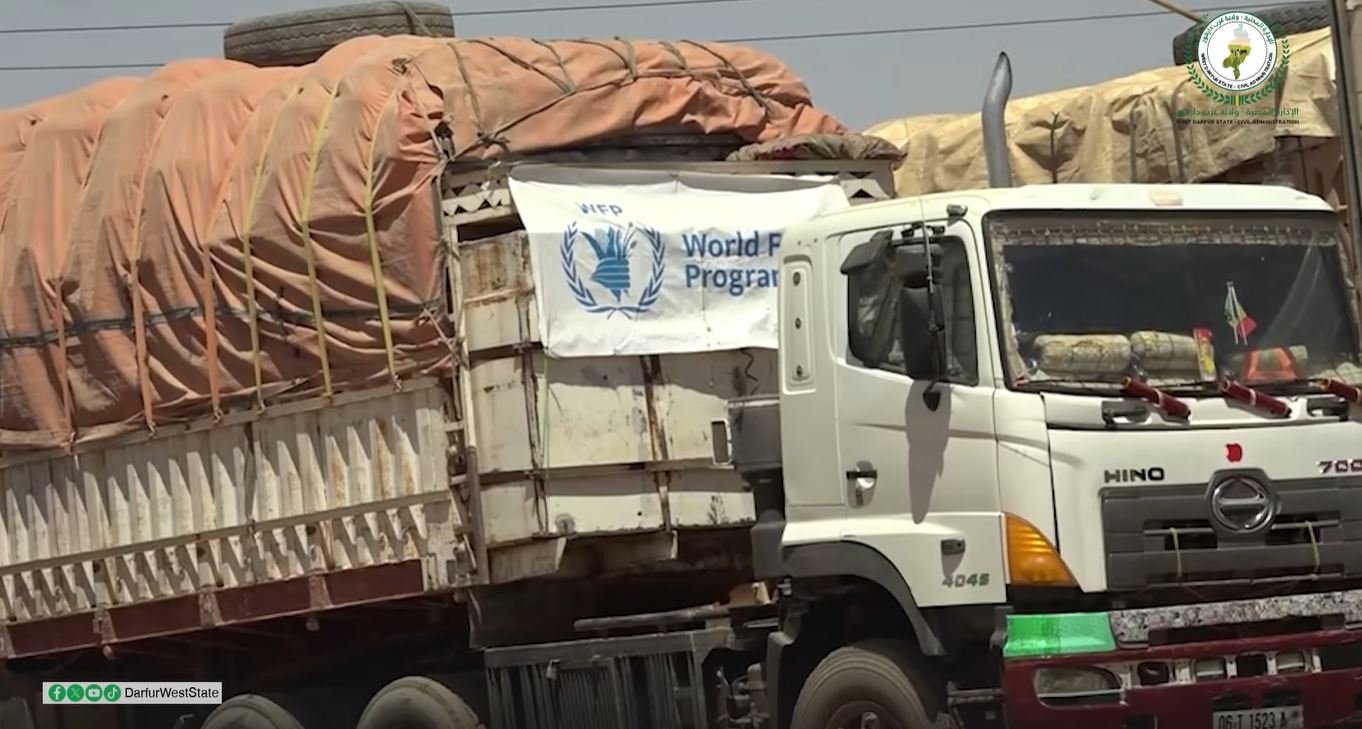
WFP: Sudan Aid Convoy Attacked in South Kordofan, Driver Killed
Summary
- A WFP aid convoy was attacked by an airstrike in South Kordofan, Sudan, on October 3, resulting in the death of one driver.
- The two clearly marked trucks were carrying humanitarian food assistance from Dilling to Kadugli when they were hit.
- The Sudan Doctors Network attributed the attack to RSF drones, while the WFP continues to investigate the perpetrators.
- International and Sudanese bodies, including the EU and WFP, have condemned the attack and called for an independent investigation and accountability.
- There are urgent demands for stronger protection of humanitarian convoys, adherence to international humanitarian law, and the establishment of safe corridors for aid delivery.
Attack on Aid Convoy in South Kordofan
Humanitarian workers and relief convoys are not parties to the conflict and that humanitarian assistance should never be considered a military target.
An aerial assault targeting World Food Programme (WFP) vehicles in Sudan’s South Kordofan region resulted in the death of a driver, prompting extensive condemnation from both international bodies and Sudanese civil society organizations. The incident involved two trucks, clearly marked as humanitarian, which were under contract to the United Nations World Food Programme and transporting vital food assistance. The attack occurred during the early hours of Saturday, October 3, as the convoy traveled from Dilling to Kadugli.
The WFP confirmed on Sunday that an air attack had struck its contracted vehicles carrying food supplies in South Kordofan. While the WFP has not yet identified the perpetrators and continues to gather details regarding the circumstances, the Sudan Doctors Network has specifically attributed the attack to drones operated by the Rapid Support Forces (RSF). This deadly Sudan WFP aid convoy attack South Kordofan has ignited urgent calls for a thorough and independent investigation into the incident.
International Outcry and Demands for Accountability
The deadly strike on the humanitarian convoy has elicited widespread condemnation and urgent demands for accountability. Wolfram Vetter, who leads the European Union delegation in Sudan, voiced strong disapproval of the incident, highlighting that the WFP delivers essential humanitarian aid, supported by international contributors such as the EU, to the most vulnerable populations, including women, children, and the elderly. He cautioned that the obstruction and targeting of humanitarian aid in Sudan could jeopardize the continuation of critical relief operations.
Both the WFP and the EU delegation head have strongly advocated for an immediate international investigation to prevent future attacks and ensure those responsible are held to account. Sudanese civil society groups, including the Sudan Doctors Network and the General Coordination of Refugee and Displaced Persons Camps in Darfur, have echoed these calls, demanding an independent and transparent inquiry. They emphasize the necessity of identifying and holding perpetrators accountable for this egregious act against humanitarian efforts, underscoring the critical need for a robust WFP Sudan airstrike investigation.
Upholding International Humanitarian Law and Protecting Aid
The incident has intensified calls for strict adherence to international humanitarian law Sudan and enhanced protection of humanitarian convoys and personnel. Adam Rijal, a spokesperson for the General Coordination of Refugee and Displaced Persons Camps in Darfur, stressed that humanitarian workers and relief convoys are not parties to the conflict and that humanitarian assistance should never be considered a military target. He asserted that relief trucks carrying food, medicine, and other necessities must be afforded full protection and respect under international humanitarian law.
Advocates are urging for an immediate halt to all attacks on humanitarian facilities, vehicles, and personnel, alongside the establishment of secure humanitarian corridors and routes. These measures are deemed crucial to ensure aid can reach civilians without obstruction or danger, particularly in areas like South Kordofan and Darfur, which are experiencing severe humanitarian crises. The broader message is clear: humanitarian suffering must not be exploited as a bargaining chip or tool in the ongoing conflict, and accountability for aid attacks Sudan is paramount to safeguarding lives.
Practical Implications
Lawyers advising humanitarian organizations or international bodies operating in Sudan must be aware of the escalating risks to aid convoys and personnel, and should advise on compliance with international humanitarian law, potential accountability mechanisms for perpetrators, and strategies for advocating for stronger protections and independent investigations.
Source
How does this affect you?
Get an AI analysis of this article grounded in your jurisdictions, practice areas, and any policy documents you've uploaded to Wansom.
Finish Reading the Full Story and the Expert Analysis.
Get the latest legal & regulatory intelligence in Sudan
Wansom is AI and can make mistakes.