
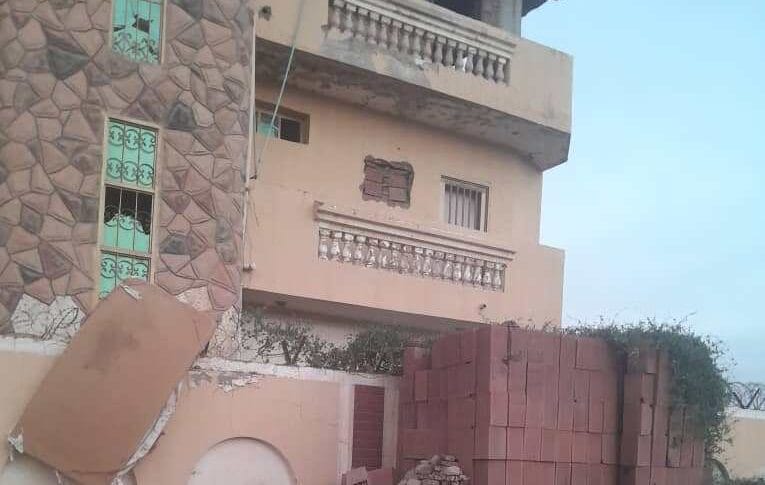
Sudan: War Fuels Property Disputes, Ownership Challenges
On November 25, 2026, in Khartoum, Sudan, thousands of Sudanese citizens displaced by the ongoing conflict are facing widespread challenges in reclaiming their homes, with many finding their properties occupied by others and struggling to prove ownership due to lost documentation, as highlighted by the Sudan Tribune.
This development signifies a profound legal and humanitarian crisis, creating complex property disputes that will likely persist long after the cessation of hostilities. For legal practitioners, this situation underscores the urgent need for robust frameworks to address property rights in post-conflict settings, particularly concerning forced displacement, adverse possession, and the evidentiary challenges of proving ownership without original documents. The widespread nature of these disputes, affecting thousands, suggests a systemic breakdown in property registration and enforcement mechanisms, posing significant obstacles to reconstruction and the return of displaced populations.
The legal context for these disputes in Sudan is multifaceted, involving a blend of statutory law, customary law, and Islamic jurisprudence, all of which are currently strained by the absence of effective governance and judicial oversight in conflict-affected areas. Key legal principles at play include the right to property, the concept of adverse possession (or prescription), and the evidentiary requirements for proving title, which typically rely on official land registration documents. The ongoing conflict has severely disrupted the functioning of land registries and courts, making it nearly impossible for individuals like Asia Salah, mentioned in the report, to pursue legal remedies. The lack of a functioning legal system to adjudicate these claims creates a vacuum that can be exploited, further entrenching illegal occupations and complicating future resolution efforts.
The key parties involved in this unfolding crisis are primarily the displaced Sudanese citizens, such as Asia Salah, who are the original property owners, and the individuals or groups who have subsequently occupied these abandoned homes. While the report does not detail specific court cases or regulatory bodies, the broader context involves the Sudanese government, local authorities, and potentially international humanitarian organizations that may eventually be tasked with facilitating returns and resolving property disputes. The absence of a clear legal process or authority to mediate these conflicts means that many disputes remain unresolved, contributing to instability and hindering the peace process.
Practitioners, particularly those specializing in property law, human rights, or international humanitarian law, should closely monitor the evolving legal landscape in Sudan. They should anticipate a surge in property-related litigation once stability returns and judicial systems are re-established. Attorneys should advise clients on the importance of any available evidence of ownership, even if informal, and prepare for complex cases involving multiple claimants and potentially lengthy evidentiary processes. Furthermore, legal professionals should advocate for the establishment of clear, accessible, and equitable mechanisms for property restitution and dispute resolution, drawing on international best practices for post-conflict property rights, to ensure that the rights of displaced persons are protected and upheld.
How does this affect you?
Get an AI analysis of this article grounded in your jurisdictions, practice areas, and any policy documents you've uploaded to Wansom.
Finish Reading the Full Story and the Expert Analysis.
Get the latest legal & regulatory intelligence in Sudan
Wansom is AI and can make mistakes.