
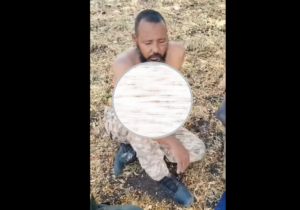
Sudan: Prisoner Execution Footage Resurfaces, War Crimes Alleged
Yassir Arman has condemned the alleged executions of prisoners by the Rapid Support Forces (RSF) in Sudan, warning of the country's disintegration, following the resurfacing of footage and reports of serious violations during the ongoing war since April 15, 2023. These disturbing reports, which include alleged beheadings, disembowelment, and the severing of limbs, highlight a severe deterioration of human rights and humanitarian norms, impacting both military prisoners and unarmed civilians accused of collaboration. The renewed condemnation by Arman underscores the persistent and egregious nature of abuses that have become a defining feature of the conflict, despite previous campaigns against such practices.
This development carries profound legal significance for practitioners, as the alleged acts constitute grave breaches of international humanitarian law (IHL) and international human rights law (IHRL), potentially rising to the level of war crimes and crimes against humanity. The targeting of civilians, summary executions, and inhumane treatment of prisoners are explicitly prohibited under international law, triggering obligations for accountability and potential jurisdiction for international criminal tribunals. For businesses, these reports amplify the already high human rights and reputational risks associated with operating in or having ties to Sudan, necessitating rigorous due diligence and adherence to international standards.
The legal context for these alleged atrocities is rooted in the Geneva Conventions, particularly Common Article 3 which applies to non-international armed conflicts and prohibits violence to life and person, including murder of all kinds, mutilation, cruel treatment and torture, and outrages upon personal dignity. The Fourth Geneva Convention also provides for the protection of civilians in times of war. Furthermore, customary international humanitarian law and international human rights treaties, such as the International Covenant on Civil and Political Rights, are directly applicable. The International Criminal Court (ICC) has existing jurisdiction over the situation in Darfur, and such widespread and systematic abuses could potentially fall within its broader purview or lead to new referrals. The key parties involved include Yassir Arman, the Rapid Support Forces (RSF) as alleged perpetrators, the Sudanese Armed Forces (SAF) also implicated in abuses, and the numerous civilians, human rights defenders, and aid workers who are victims of detention and alleged executions.
Practitioners specializing in international criminal law, human rights law, and humanitarian law should meticulously monitor these developments, focusing on documenting evidence for potential future prosecutions at national or international levels. Attorneys advising businesses must conduct thorough human rights impact assessments and ensure robust compliance frameworks are in place to mitigate risks of complicity or association with human rights abuses, particularly in conflict-affected areas. The ongoing conflict severely impedes domestic legal recourse, making international mechanisms and advocacy crucial. The outcome of this matter, specifically any formal legal proceedings or findings of guilt against specific individuals or entities, is not yet reported in the excerpt.
How does this affect you?
Get an AI analysis of this article grounded in your jurisdictions, practice areas, and any policy documents you've uploaded to Wansom.
Finish Reading the Full Story and the Expert Analysis.
Get the latest legal & regulatory intelligence in Sudan
Wansom is AI and can make mistakes.