
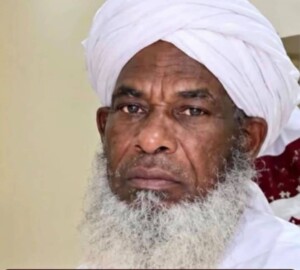
Sudan: Sheikh Dies in Detention, Raises Unlawful Killing Concerns
Sheikh Ali Abdelrahman El Kajjam, an elderly tribal leader, died in unexplained circumstances in El Obeid, North Kordofan, after being detained by a security force at a livestock market three days prior, with his body subsequently found in the city’s morgue. This incident, involving a man in his seventies who was reportedly in good health before his detention, has ignited serious concerns regarding alleged unlawful detention, torture, and extrajudicial killings in the region.
This development carries profound legal significance, as it points to a severe breakdown in the rule of law and accountability within Sudan's security apparatus. The alleged arbitrary detention, the subsequent disappearance, and the unexplained death of a tribal leader, coupled with denials of custody from multiple security agencies, raise grave questions about due process, human rights, and the potential for impunity. Such incidents erode public trust in state institutions, exacerbate instability, and can have far-reaching consequences for social cohesion and justice in the country.
The legal context for this matter is rooted in Sudan's domestic criminal law, which prohibits arbitrary arrest, detention, torture, and murder. Furthermore, international human rights law, particularly the International Covenant on Civil and Political Rights (ICCPR), to which Sudan is a signatory, guarantees the right to life, prohibits arbitrary detention and torture, and ensures the right to due process. The alleged involvement of uniformed security personnel and the subsequent denials by police, military intelligence, and national security services implicate state responsibility and highlight systemic challenges in upholding human rights and ensuring accountability for abuses. The Kordofan Observatory's report of further cases of arbitrary detention and torture suggests a pattern of such violations.
Key parties involved include the deceased, Sheikh Ali Abdelrahman El Kajjam; the unnamed security force responsible for his detention; the Talodi police; military intelligence offices; the security cell; the National Intelligence and Security Service (NISS), all of whom denied custody; lawyer and human rights defender Osman Saleh; and the Kordofan Observatory. For legal practitioners, particularly human rights lawyers in Sudan, this incident underscores the critical importance of robust legal advocacy, meticulous documentation of abuses, and the pursuit of accountability through all available domestic and international mechanisms. Practitioners should advise families on their rights, assist in filing formal complaints, and closely monitor any investigations into such deaths.
For businesses operating in Sudan, the prevalence of such incidents signals a high-risk operating environment characterized by significant rule of law challenges and potential human rights abuses. This necessitates thorough due diligence, comprehensive risk assessments regarding human rights impacts, and careful consideration of potential complicity or reputational damage. The outcome of this specific matter, including any official investigation, charges, or findings regarding the cause of death, is not yet reported.
How does this affect you?
Get an AI analysis of this article grounded in your jurisdictions, practice areas, and any policy documents you've uploaded to Wansom.
Finish Reading the Full Story and the Expert Analysis.
Get the latest legal & regulatory intelligence in Sudan
Wansom is AI and can make mistakes.