
Sudan: Seeks To Block UNHRC Fact-Finding Mission Mandate Extension
Summary
- Sudan sought support from a 29-nation bloc led by China on August 26, 2026, to oppose the renewal of a UN Human Rights Council fact-finding mission's mandate.
- Britain is expected to lead Western efforts to renew the mandate during the 63rd UNHRC session, running from September 7 to October 7.
- Sudan has consistently refused to cooperate with the mission and has not allowed it to visit the country.
- Sudan argues that three existing UN human rights mechanisms, including a Country Office and an appointed expert, already operate with its full cooperation.
- The Sudanese Permanent Representative in Geneva urged the China-led bloc to support Khartoum's "just position" against the anticipated British draft resolution.
What Happened
Sudan's continued resistance to the UN Human Rights Council mission and its efforts to block the renewal of the fact-finding mission's mandate carry significant implications for its international standing.
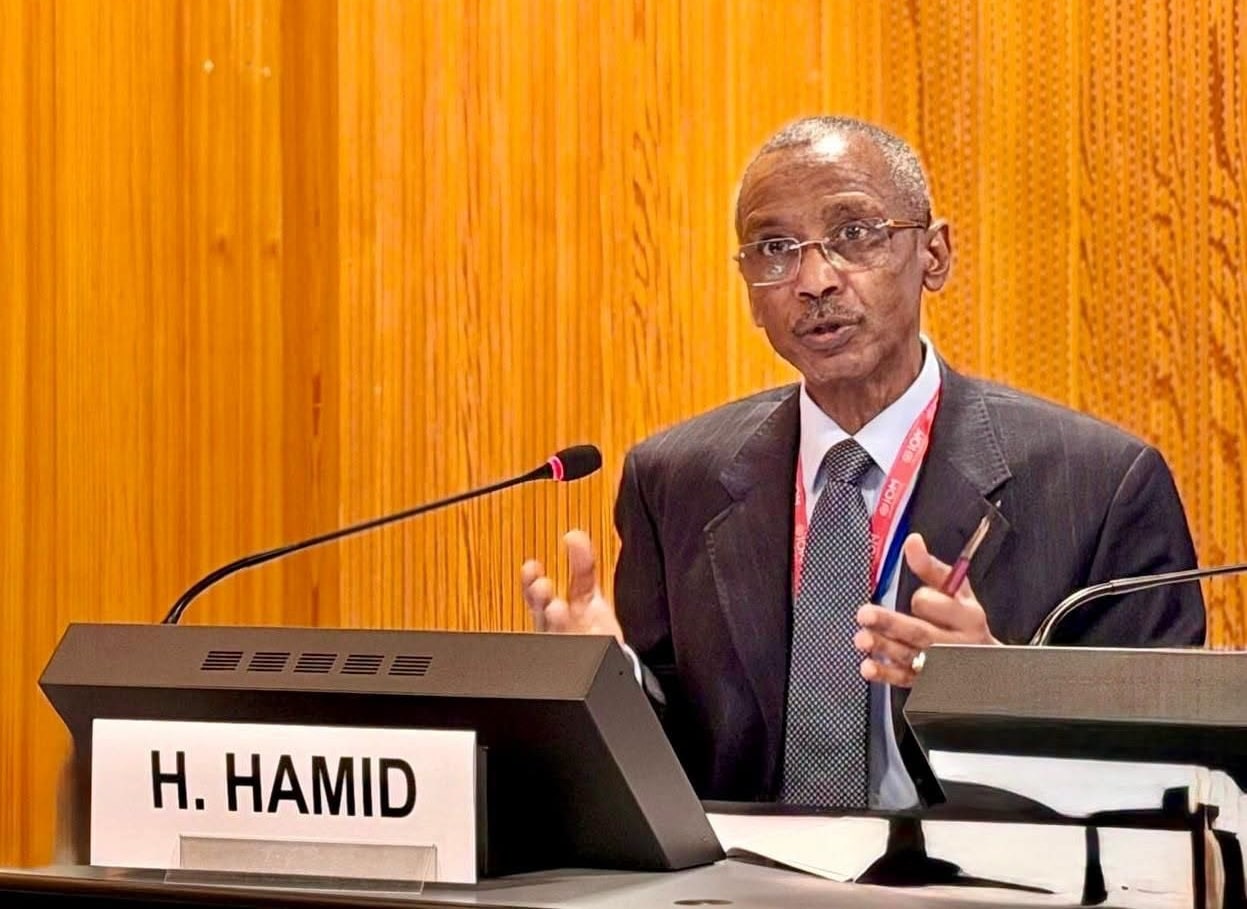
On August 26, 2026, Sudan initiated a diplomatic push in Geneva, seeking backing from a 29-nation coalition spearheaded by China. This strategic move aimed to thwart an impending draft resolution that proposes extending the mandate of the United Nations Human Rights Council's fact-finding mission. Sudan's Permanent Representative in Geneva, Hassan Hamed Hassan, addressed ambassadors from these "like-minded" states at the UN Palace, urging their support for Khartoum's position against the anticipated British-led proposal.
The diplomatic maneuvers come in anticipation of the 63rd session of the Human Rights Council, scheduled to convene from September 7 to October 7. During this session, Western nations, likely led by Britain, are expected to advocate for the renewal of the Sudan UNHRC Fact-Finding Mission mandate. This mission has consistently faced resistance from Sudan, which has refused to engage with its representatives and has not permitted them to enter the country.
Sudan's Stance on Oversight
Sudan's government has long expressed its opposition to the UN Human Rights Council mission, particularly its fact-finding component. The nation's representative articulated that despite the presence of several established UN human rights mechanisms operating within Sudan, Western powers, with Britain at the forefront, persistently introduce resolutions to impose an additional, fourth mechanism. Khartoum argues that this proposed renewal of the Sudan UNHRC Fact-Finding Mission mandate is redundant and unwelcome.
The Sudanese government maintains that it already cooperates fully with existing UN human rights bodies. These include a dedicated Country Office, an appointed expert specifically tasked with monitoring the human rights situation in Sudan, and an expert team established under the provisions of Security Council Resolution 1591. According to Sudan, these mechanisms enjoy the government's complete acceptance and collaboration, rendering the proposed fact-finding mission unnecessary and an imposition.
Legal and Diplomatic Context
The ongoing debate surrounding the Sudan UNHRC Fact-Finding Mission mandate highlights a broader tension regarding international human rights law Sudan and national sovereignty. The anticipated Britain draft resolution Sudan human rights underscores the persistent efforts by some member states to ensure accountability and oversight, while Sudan's appeal to the Sudan China bloc UN Human Rights Council illustrates a counter-effort to resist such external scrutiny.
This diplomatic confrontation is a key feature of the upcoming UNHRC 63rd session Sudan resolution discussions. Sudan's proactive engagement with the China-led bloc before the formal deliberations signals its determination to prevent the mandate's renewal, framing its stance as a "just position." The outcome of these discussions will reflect the shifting dynamics within the Human Rights Council and the effectiveness of different diplomatic alliances in shaping international human rights policy.
Implications for International Relations
Sudan's continued resistance to the UN Human Rights Council mission and its efforts to block the renewal of the fact-finding mission's mandate carry significant implications for its international standing. This stance signals a reluctance to fully embrace international human rights oversight, which could potentially impact foreign investment and broader international relations. The government's firm position against the mission, including its refusal to permit entry, reinforces a perception of non-cooperation with certain international monitoring efforts.
Legal professionals should closely monitor the developments at the UNHRC 63rd session regarding the Sudan UNHRC Fact-Finding Mission mandate. The resolution's outcome could have tangible effects on sanctions regimes, necessitate enhanced due diligence requirements for entities operating in or engaging with Sudan, and influence reputational risks for clients. The diplomatic battle over the Britain draft resolution Sudan human rights will be a critical indicator of the international community's approach to human rights accountability in the region.
Practical Implications
This development signals Sudan's continued resistance to international human rights oversight, which could impact foreign investment and international relations. Lawyers should monitor the outcome of the UNHRC 63rd session for potential implications on sanctions, due diligence requirements, and reputational risks for clients operating in or with Sudan.
Source
How does this affect you?
Get an AI analysis of this article grounded in your jurisdictions, practice areas, and any policy documents you've uploaded to Wansom.
Wansom is AI and can make mistakes.