
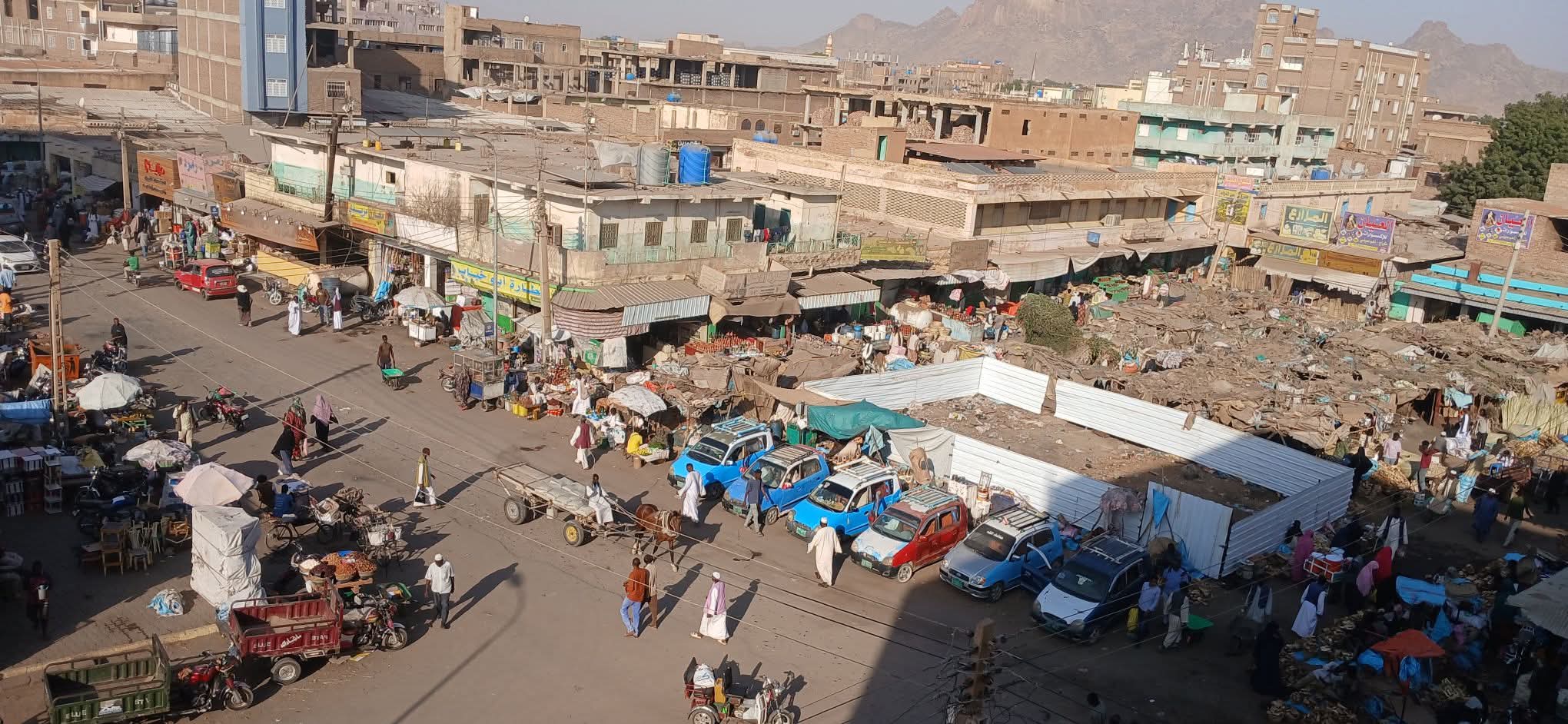
Sudan: Kassala Gold Traders Protest Illicit Market, Regulatory Inaction
Gold traders in Kassala, Sudan, initiated a two-day market closure on Monday, protesting repeated clashes with itinerant gold sellers and the authorities' failure to address their long-standing complaints regarding an unregulated parallel market. The protest, which saw shops remain shut on Tuesday, followed an incident on Monday near the market that escalated into assaults, injuring a passer-by. Traders allege that the proliferation of itinerant sellers has created an illicit parallel market where gold is traded without official invoices, often at manipulated weights or prices, undermining legitimate businesses that comply with government procedures and pay taxes, zakat, mining, local authority fees, and stamp duties.
This event carries significant legal and economic implications for Sudan's gold sector and broader regulatory environment. It highlights a critical breakdown in market regulation and enforcement, creating an uneven playing field that disadvantages compliant businesses and potentially deprives the state of legitimate revenue. The reported clashes and assaults underscore a failure in maintaining public order and ensuring the safety of market participants, which can deter investment and erode confidence in the formal economy. The traders' collective action, stemming from unaddressed grievances, signals a growing frustration with governmental oversight and could prompt more widespread industrial action or social unrest if not effectively managed.
The legal context for this situation involves several layers of Sudanese law and regulation. Commercial licensing, taxation laws (including specific levies like zakat and stamp duties), and mining regulations govern the formal gold trade. Allegations of manipulated weights and prices point to potential violations of consumer protection laws and commercial fraud statutes. The authorities' reported failure to act on complaints implicates administrative law principles concerning governmental accountability and the duty to enforce regulations. The existence of an "illicit parallel market" operating outside these frameworks poses a direct challenge to the state's regulatory authority and its ability to control a vital economic resource. Key parties include the Kassala gold traders, the itinerant gold sellers, and various Sudanese government bodies responsible for market regulation, taxation, and security.
Attorneys advising businesses in Sudan, particularly those involved in commodity trading, should closely monitor the government's response to these protests and any subsequent policy changes or enforcement actions. This situation signals potential risks related to market stability, security, and regulatory compliance, especially for businesses operating in sectors prone to informal competition. Legal professionals should be prepared to advise clients on strategies for engaging with regulatory bodies to advocate for stronger enforcement, ensure fair competition, and mitigate operational risks stemming from an unregulated parallel economy. The outcome of this specific market closure and the authorities' subsequent actions to address the traders' grievances are not yet reported, but the incident underscores a pressing need for robust legal and regulatory reform in the gold sector.
How does this affect you?
Get an AI analysis of this article grounded in your jurisdictions, practice areas, and any policy documents you've uploaded to Wansom.
Wansom is AI and can make mistakes.