
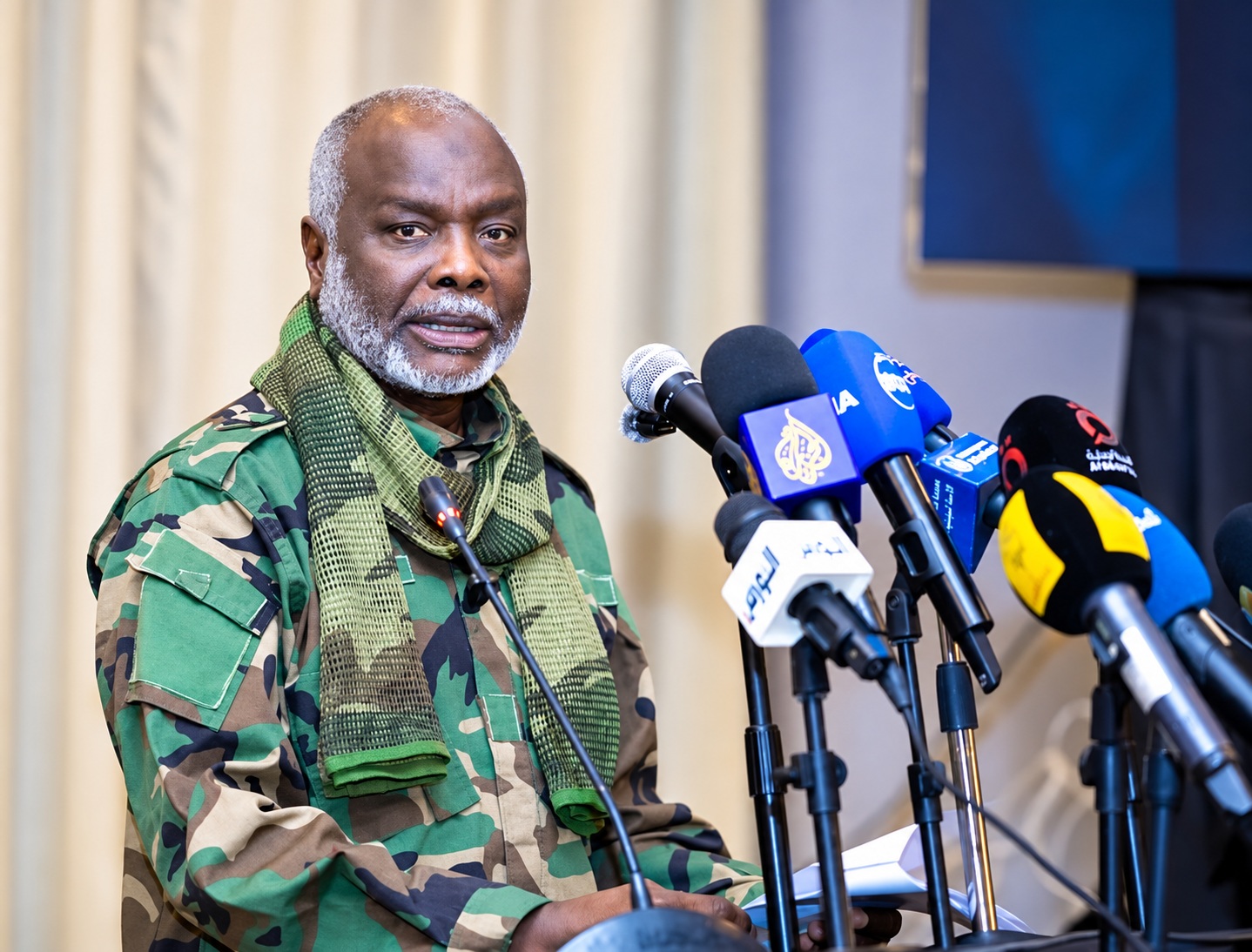
Sudan Ministry of Finance: Unveils Sudan Private Sector Recovery Roadmap
Summary
- The Sudanese Ministry of Finance announced a private sector recovery roadmap on Wednesday, September 23, 2026, following a three-day conference in Khartoum.
- The roadmap includes 10 recommendations aimed at improving the investment environment, expanding financing channels, rehabilitating infrastructure, and boosting production and exports.
- Finance Minister Jibril Ibrahim stated the roadmap marks a shift from diagnosing challenges to implementing solutions through coordinated efforts with various stakeholders.
- The Ministry will work with government bodies, the private sector, and development partners to translate the roadmap into actionable policies and programs.
- Minister Ibrahim called on regional and international financial institutions to expand support for the Sudanese private sector, including access to financing, guarantees, and technical programs.
Sudan Unveils Private Sector Recovery Roadmap
The roadmap, therefore, represents a culmination of these discussions, providing a strategic framework for future actions.
The Sudanese Ministry of Finance officially announced a comprehensive private sector recovery roadmap on Wednesday, September 23, 2026. This significant declaration came at the conclusion of a three-day high-level dialogue conference focused on the recovery of the Sudanese private sector, which took place in Khartoum. The event brought together a diverse group of stakeholders, including representatives from the government, the private sector, various financial institutions, and key development partners.
The primary objective of these intensive dialogue sessions was to thoroughly examine the myriad challenges currently confronting the private sector in Sudan. Participants worked collaboratively to identify and establish practical pathways designed to support the nation's broader economic recovery and reconstruction efforts. The roadmap, therefore, represents a culmination of these discussions, providing a strategic framework for future actions.
Strategic Pillars for Economic Growth
At the core of the newly unveiled Sudan private sector recovery roadmap are 10 specific recommendations, each meticulously crafted to address critical areas for economic revitalization. These recommendations are strategically designed to foster a more conducive Sudan investment environment improvement, ensuring that businesses can thrive and contribute to national development. A key focus is also placed on expanding Sudan business financing channels, making capital more accessible for enterprises of all sizes.
Beyond financial access, the roadmap prioritizes the rehabilitation of essential infrastructure, recognizing its pivotal role in supporting business operations and connectivity. Furthermore, it aims to significantly enhance both domestic production capabilities and export volumes, thereby strengthening Sudan's position in regional and international markets. This multifaceted approach underscores the government's commitment to a holistic Sudan economic reconstruction strategy.
From Dialogue to Action: Minister's Vision
Jibril Ibrahim, the Sudanese Minister of Finance, emphasized that this roadmap signifies a crucial transition from mere discussion to concrete implementation. He articulated that the initiative moves beyond simply diagnosing existing challenges, instead focusing on the identification of clear priorities and actionable solutions. This forward-looking perspective highlights the government's determination to translate strategic planning into tangible progress for the Jibril Ibrahim Sudan private sector.
The Minister further announced that the Ministry of Finance will spearhead coordination efforts across various government ministries, other state institutions, the private sector itself, and international development partners. This collaborative approach is essential for transforming the roadmap's recommendations into practical, implementable policies, programs, and procedures. A robust follow-up mechanism will also be established to monitor progress and ensure that these recommendations yield measurable, positive results on the ground.
Building a Resilient Future
Minister Jibril Ibrahim underscored that Sudan currently stands at a pivotal juncture in its history. He clarified that the national challenge extends far beyond merely addressing the immediate aftermath of conflict or rebuilding damaged infrastructure. Instead, the overarching goal is to construct an economy that is inherently more resilient, productive, diversified, and competitive on a global scale. This vision forms the bedrock of the Sudanese Ministry of Finance investment plan.
In light of these ambitious goals, the Minister issued a direct appeal to regional and international financial institutions, as well as development partners. He urged them to sustain and, crucially, to expand their support for the Sudanese private sector. This expanded assistance should empower businesses to fully leverage available financing windows, access vital guarantees, utilize effective risk-sharing tools, and benefit from comprehensive technical programs, all of which are critical for fostering sustainable growth and recovery.
Practical Implications
This roadmap signals upcoming policy and regulatory changes aimed at improving Sudan's investment climate and supporting private sector growth. Lawyers should monitor these developments closely to advise clients on new investment opportunities, potential legal reforms, and evolving compliance requirements for businesses operating or planning to enter the Sudanese market.
Source
How does this affect you?
Get an AI analysis of this article grounded in your jurisdictions, practice areas, and any policy documents you've uploaded to Wansom.
Finish Reading the Full Story and the Expert Analysis.
Get the latest legal & regulatory intelligence in Sudan
Wansom is AI and can make mistakes.