
Australia Sanctions Sudanese Military Leaders: 4 Individuals, 1 Battalion Targeted
Summary
- Australia has imposed financial sanctions and travel bans on four Sudanese leaders and one military entity.
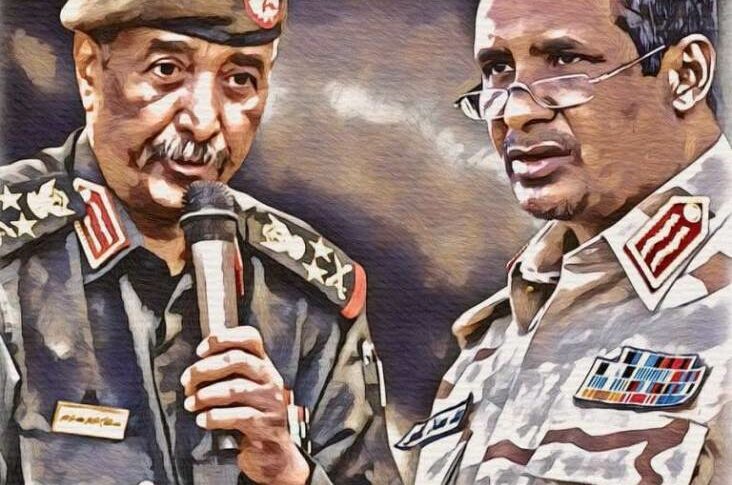
- The sanctioned individuals include General Abdel Fattah al-Burhan and Mohamed Hamdan Dagalo 'Hemedti', who also leads a self-declared parallel government, along with Al-Tijani Al-Tahir Karshoum, who was convicted of crimes against humanity and genocide, and Hussein Barsham.
- The Al-Baraa bin Malik battalion, an armed group fighting with the Sudanese army and designated as a Specially Designated Global Terrorist organization by the United States, also faces financial penalties.
- These measures were enacted due to gross human rights violations, including targeting civilians, killings, torture, and sexual violence, as stated by the Australian Department of Foreign Affairs.
- The Australian action aligns with previous sanctions by the United States, European Union, and Britain, reflecting increasing international pressure on the warring parties in Sudan.
Australia Imposes Sanctions on Sudanese Leaders
For compliance officers and legal counsel, this development necessitates immediate attention.
The Australian government announced on Thursday, November 5, 2026, the imposition of financial sanctions and travel bans against four prominent Sudanese leaders, alongside financial penalties targeting a specific military entity. This decisive action by Canberra stems from severe human rights violations that have been documented in connection with the ongoing conflict in Sudan.
The individuals designated for these measures include General Abdel Fattah al-Burhan, who serves as the Commander-in-Chief of the Sudanese Army, and Mohamed Hamdan Dagalo, widely known as “Hemedti,” the commander of the Rapid Support Forces and leader of a self-declared parallel government in Sudan. Additionally, Al-Tijani Al-Tahir Karshoum, the former governor of West Darfur who was convicted of crimes against humanity and genocide in July 2026, and Hussein Barsham, a field commander within the Rapid Support Forces, are subject to the new restrictions. The Al-Baraa bin Malik battalion, an armed formation actively fighting alongside the Sudanese army and designated as a Specially Designated Global Terrorist organization by the United States in March 2026, has also been hit with Australian financial sanctions Sudan.
These Australian financial sanctions Sudan entail the freezing of any assets held by the designated individuals and entity under Australian jurisdiction. Furthermore, the measures prohibit financial transactions with these targeted parties. The four sanctioned leaders are also explicitly barred from entering Australian territory, marking a significant Australia travel ban Burhan Hemedti and the other named individuals. This comprehensive approach underscores Australia's commitment to addressing the grave situation in Sudan.
Grounds for Australian Action
The decision to implement these Sudan human rights sanctions Australia was made following extensive evidence of gross human rights abuses directly linked to the conflict. The Australian Department of Foreign Affairs cited a pattern of violations that includes the deliberate targeting of civilians, widespread killings, instances of torture, and pervasive sexual violence. These egregious acts form the basis for the punitive measures taken by the Australian government.
Foreign Minister Penny Wong reiterated Australia's firm stance, calling for an immediate and enduring ceasefire in Sudan. She emphasized the critical need for the protection of civilian populations and demanded unimpeded access for humanitarian aid to reach those affected by the conflict. This statement aligns with the broader international appeals for an end to hostilities and accountability for those responsible for the violence.
Broader International Context and Compliance Imperatives
Australia's move to sanction Sudanese military leaders is not an isolated incident but rather part of an expanding international sanctions regime. This action follows similar measures previously enacted by the United States, the European Union, and Britain, which have also targeted leaders and entities implicated in the Sudanese conflict. The cumulative effect of these international sanctions reflects a growing global consensus to exert political, financial, and diplomatic pressure on both warring factions, amidst increasing demands for an end to the war and accountability for those responsible.
For compliance officers and legal counsel, this development necessitates immediate attention. It is now imperative to screen transactions and assets for any connections to the newly sanctioned Sudanese individuals—Al-Burhan, Hemedti, Karshoum, and Barsham—as well as the Al-Baraa bin Malik battalion. Ensuring adherence to Australian financial and travel restrictions is critical to avoid potential compliance exposures. This expanding international sanctions regime against parties involved in the Sudan conflict underscores the need for ongoing vigilance and robust compliance frameworks.
Practical Implications
Compliance officers and legal counsel must screen transactions and assets for connections to the sanctioned Sudanese individuals (Al-Burhan, Hemedti, Karshoum, Barsham) and the Al-Baraa bin Malik battalion to ensure adherence to Australian financial and travel restrictions. This development signals an expanding international sanctions regime against parties involved in the Sudan conflict, necessitating ongoing vigilance for potential compliance exposures.
Source
How does this affect you?
Get an AI analysis of this article grounded in your jurisdictions, practice areas, and any policy documents you've uploaded to Wansom.
Wansom is AI and can make mistakes.