
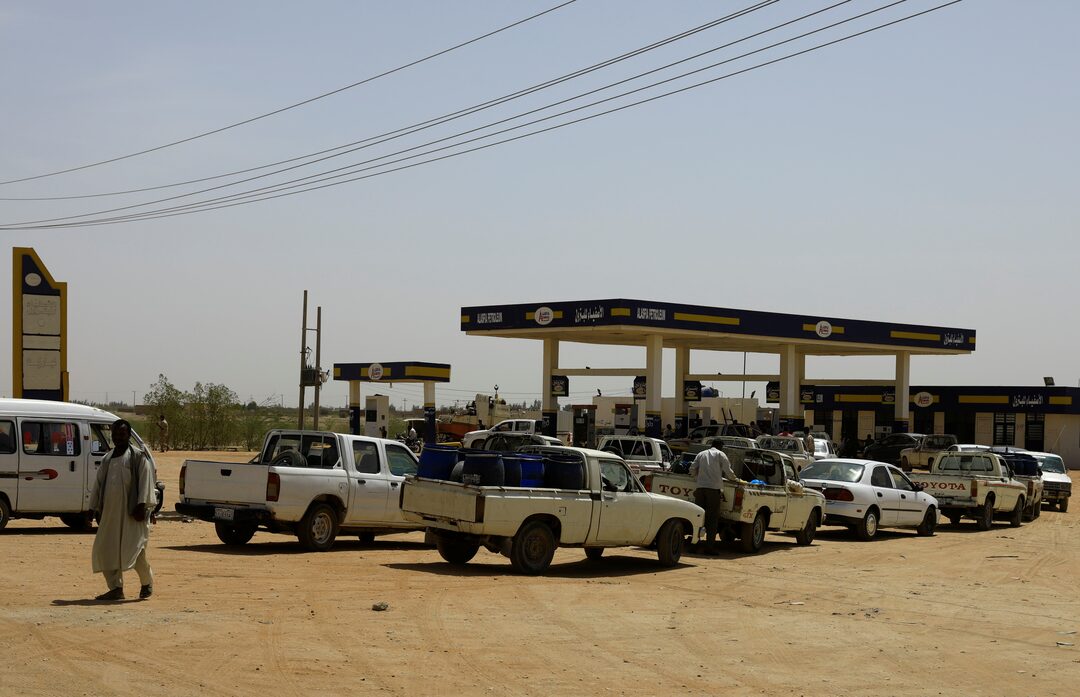
Sudan Petroleum Gas Price Adjustments Enact Reductions
Summary
- On Tuesday, August 11, 2026, Sudan implemented significant reductions in petroleum and cooking gas prices across Khartoum, Red Sea, and River Nile states.
- In Khartoum, the price of a 12.5 kg cooking gas cylinder dropped to 85,000 SDG from 106,400 SDG, and gasoline saw a slight reduction to 8,518 SDG per liter.
- Red Sea state set the final consumer price for a 12.5 kg cooking gas cylinder between 70,000 and 75,000 SDG.
- These adjustments aim to mitigate recurring fuel crises, exacerbated by the Al-Jaili refinery's outage, which previously supplied 70% of local consumption.
- New prices are effective immediately, requiring all service stations and outlets in affected areas to comply with the updated Sudan energy sector regulation.
Sudan Implements Major Fuel and Gas Price Reductions
For businesses operating within Sudan's energy sector, these adjustments necessitate an immediate review of their pricing structures and supply contracts.
On Tuesday, August 11, 2026, several Sudanese states enacted significant Sudan petroleum gas price adjustments, primarily involving reductions in the cost of gas and gasoline for consumers. These widespread Sudan fuel price changes were announced and implemented across Khartoum, Red Sea, and River Nile states, signaling a concerted effort to address the nation's persistent energy challenges. The adjustments are effective immediately, with directives for all service stations and sales outlets to comply.
In Khartoum State, Governor Ahmed Osman Hamza confirmed a new pricing structure. The price per liter of bakery gas has been set at 3,742 Sudanese Pounds (SDG). For cooking gas, the cost per kilogram is now 6,800 SDG, bringing the price of a standard 12.5-kilogram cooking gas cylinder to 85,000 SDG, a notable decrease from its previous price of 106,400 SDG. Gasoline prices also saw a slight reduction, with a liter now costing 8,518 SDG, down from 8,678 SDG. Consequently, a 4.5-liter gallon of gasoline is priced at 38,331 SDG, compared to the former 39,051 SDG. These new rates are mandated for immediate application across all fuel and gas distribution points within Khartoum's localities.
Beyond the capital, the Red Sea state also saw substantial adjustments to its Red Sea state fuel prices. The final consumer price for a 12.5-kilogram cooking gas cylinder has been fixed within a range of 70,000 to 75,000 SDG. While the source indicates that River Nile state also implemented reductions, specific price figures for that region were not detailed. The immediate enforcement of these new prices underscores the government's intent to swiftly impact the market and consumer costs.
Context: Addressing Sudan's Persistent Energy Crisis
The recent Sudan petroleum gas price adjustments are a direct response to the nation's long-standing and recurring fuel crises. Sudan has grappled with severe energy shortages, a situation significantly worsened by extensive damage to its critical oil infrastructure. A primary factor contributing to this crisis has been the incapacitation of the Al-Jaili refinery.
Historically, the Al-Jaili refinery was a cornerstone of Sudan's energy supply, responsible for meeting approximately 70% of the country's domestic consumption needs. Its operational failure has compelled Sudan to rely heavily on imported petroleum derivatives, placing immense strain on the national economy and exacerbating the scarcity and high cost of fuel. These price reductions, particularly the Khartoum gas price reduction, are aimed at alleviating some of the economic burden on consumers and stabilizing the market amidst these challenging supply conditions.
Regulatory Impact: Immediate Compliance Required Across Key States
The directives accompanying these Sudan fuel price changes emphasize immediate and strict compliance, particularly within Khartoum, Red Sea, and River Nile states. In Khartoum, Governor Ahmed Osman Hamza's order explicitly mandates that all operating service stations and fuel/gas outlets across every locality within the state must adopt the new prices without delay. This swift implementation highlights the regulatory authority's intent to ensure that the benefits of the price reductions are passed directly to consumers.
For businesses operating within Sudan's energy sector, these adjustments necessitate an immediate review of their pricing structures and supply contracts. Adherence to the new Sudan energy sector regulation is crucial to avoid penalties and ensure continued operation. The specific reductions, such as the new Sudan cooking gas cylinder price, will impact supply chain logistics, inventory valuation, and retail operations. Legal counsel is essential for clients to navigate these updated regulations and ensure full compliance with the revised pricing mandates across the affected regions.
Practical Implications
Lawyers should advise clients operating in Sudan's energy sector, particularly in Khartoum, Red Sea, and River Nile states, to immediately review their pricing structures and supply contracts to ensure compliance with the newly adjusted fuel and gas regulations.
Source
How does this affect you?
Get an AI analysis of this article grounded in your jurisdictions, practice areas, and any policy documents you've uploaded to Wansom.
Wansom is AI and can make mistakes.