
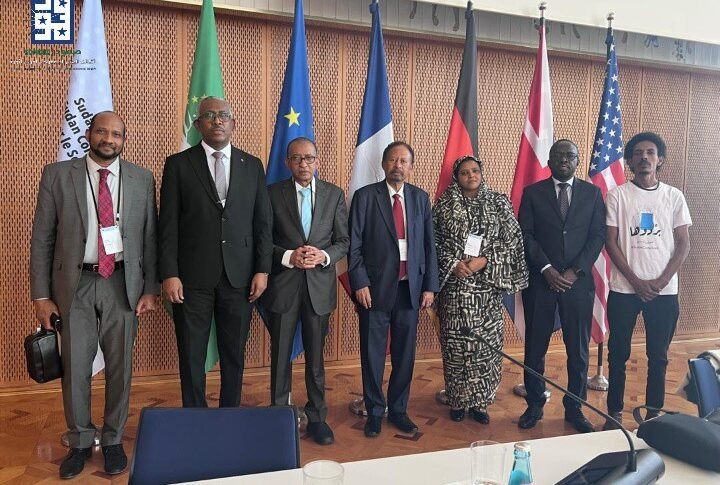
Sudan's Al-Samid Alliance Rejects Government Dialogue Efforts
Summary
- The Al-Samid Alliance has expressed reservations about the government's efforts to establish dialogue committees and mechanisms.
- President Abdel Fattah al-Burhan informed political leaders of his plans to conduct communications with Al-Samid leaders to join the internal Sudanese dialogue.
- The current ruling party is seeking legitimacy by approaching Sudanese civilian forces, raising concerns about the potential impact on business operations and investments.
What Happened
Leaders of the Al-Samid Alliance have expressed reservations about the government's efforts to establish dialogue committees and mechanisms to facilitate internal Sudanese dialogue.
Leaders of the Al-Samid Alliance, a civil democratic alliance in Sudan, have expressed reservations about the government's efforts to establish dialogue committees and mechanisms to facilitate internal Sudanese dialogue. Reports indicate that President Abdel Fattah al-Burhan informed political leaders he met with in Khartoum last July about conducting communications with Al-Samid leaders to join the internal Sudanese dialogue. A party official who participated in a meeting with al-Burhan told Sudani Tribune on Monday that the president assured of taking steps to prepare the ground for the success of the dialogue process, including suspending measures preventing Al-Samid leaders from participating in the dialogue internally.
Legal Context
The current efforts to facilitate internal Sudanese dialogue are centered on establishing a preparatory mechanism responsible for preparing and preparing for the dialogue. However, sources close to Al-Samid Alliance expressed skepticism about the moves of the forces allied with the army and their efforts to hold an internal dialogue. They pointed out that the current ruling party, led by al-Burhan and the Sovereignty Council, has been leading the country since the October 2021 coup, and that the ruling party is seeking legitimacy by approaching Sudanese civilian forces.
Why It Matters
The Al-Samid Alliance's reservations about the government's dialogue efforts have significant implications for the political landscape of Sudan. The potential changes in the country's politics could impact business operations and investments, making it essential for lawyers and compliance officers to closely monitor developments. As the situation unfolds, companies operating in Sudan should be prepared to adapt to any changes that may arise from the ongoing power struggle.
Practical Implications
Lawyers and compliance officers should watch for potential changes in the political landscape of Sudan, which could impact business operations and investments in the country.
Source
How does this affect you?
Get an AI analysis of this article grounded in your jurisdictions, practice areas, and any policy documents you've uploaded to Wansom.
Wansom is AI and can make mistakes.