
Sudan Ministry of Finance: Prioritizes Agricultural Investment Risk Management
Summary
- Sudan's Ministry of Finance outlined economic recovery priorities, including private sector partnership, focus on productive sectors, infrastructure, and risk management.
- A high-level dialogue in Khartoum brought together government, private sector, financial institutions, and development partners to address recovery challenges.
- Dr. Asmaa Ajabna of the Ministry of Finance stressed integrating risk management into agricultural recovery strategies, citing climatic, economic, and market risks.
- Mekki Abdel Rahim, also from the Ministry of Finance, highlighted government interest in public-private partnerships for agriculture, food production, roads, bridges, and ports.
- The Ministry's statements emphasize securing investments and developing risk management mechanisms as fundamental to Sudan's economic and social recovery.
Sudan Outlines Economic Recovery Priorities
Dr. Asmaa Ajabna strongly advocated for securing agricultural investments and urged that risk management be formally incorporated as an essential component of the overarching agricultural recovery strategy.
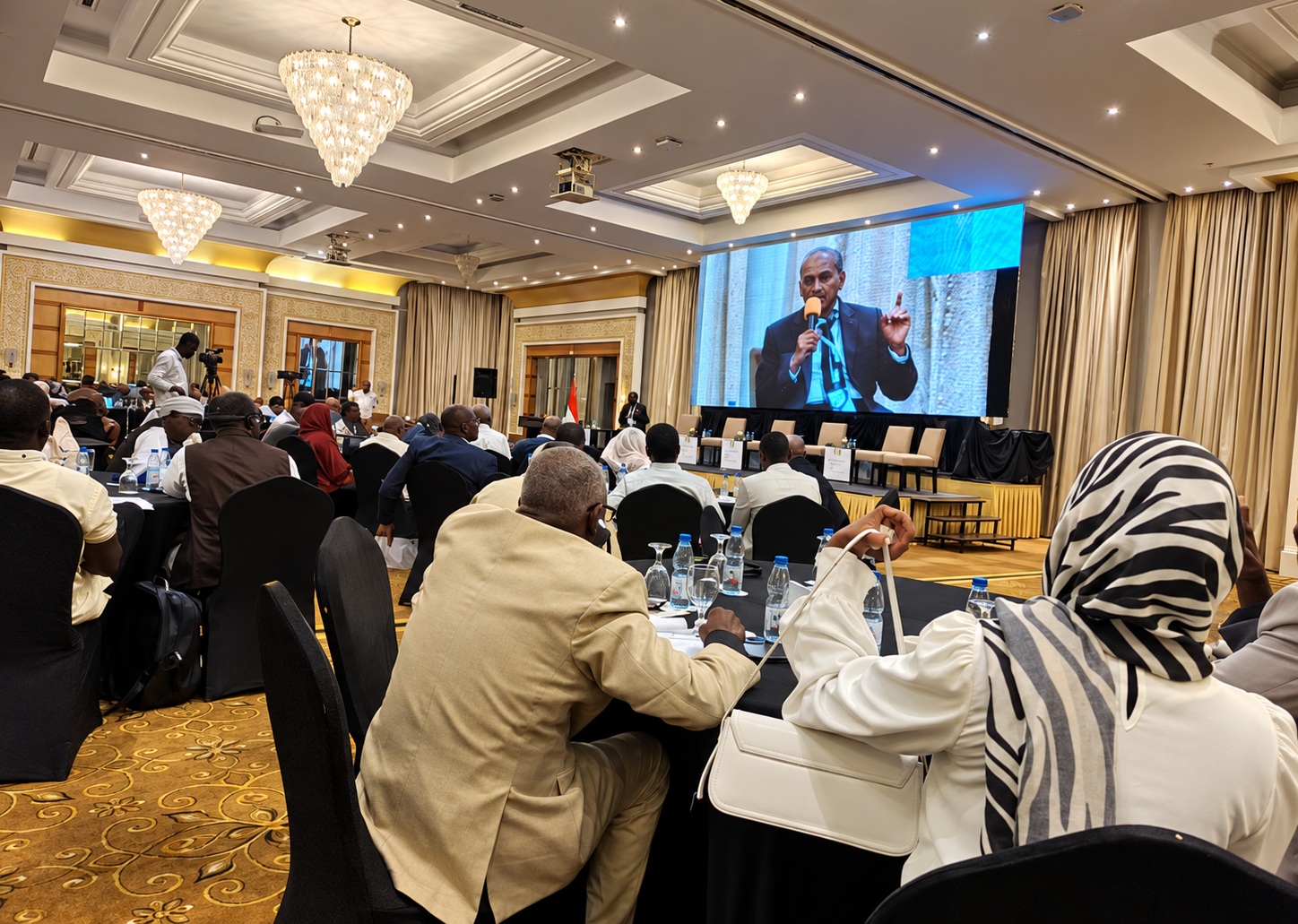
The Sudanese Ministry of Finance recently articulated the government's key priorities for economic recovery, emphasizing a strengthened partnership with the private sector. These strategic objectives, announced on September 22, 2026, in Khartoum, also include a concentrated focus on productive and vital economic sectors, critical infrastructure development, and the establishment of robust risk management mechanisms to safeguard investments across the nation.
These priorities were unveiled during a high-level dialogue centered on the recovery of Sudan's private sector. The event, which commenced on a Monday, brought together a diverse group of stakeholders, including government officials, private sector representatives, financial institutions, and international development partners. The primary aim of these discussions was to address the significant challenges confronting the private sector and to forge practical pathways for both economic recovery and broader national reconstruction efforts.
Integrating Risk Management for Agricultural Investment
A central theme emerging from the dialogue was the critical importance of integrating comprehensive risk management strategies, particularly for agricultural investments. Dr. Asmaa Ajabna, who heads the Risk Management Department within the Ministry of Finance, underscored that effective risk management is a foundational pillar for achieving sustainable economic recovery. She specifically highlighted the various opportunities available for anticipating and mitigating risks inherent in agricultural investment.
Dr. Ajabna detailed a broad spectrum of potential risks that could impact agricultural ventures, encompassing climatic and natural hazards, economic fluctuations, financial instabilities, and operational challenges. Furthermore, she pointed to market volatility and disruptions in supply chains as significant concerns. In her address, Dr. Ajabna strongly advocated for securing agricultural investments and urged that risk management be formally incorporated as an essential component of the overarching agricultural recovery strategy.
Public-Private Partnerships and Investment Opportunities
During the second day of the private sector recovery dialogue, Mekki Abdel Rahim, the Director General of the Policy and Planning Department at the Ministry of Finance, delivered a presentation that reinforced the government's commitment to fostering successful public-private partnerships (PPPs). He emphasized that these collaborations are vital for achieving both economic and social recovery goals.
Abdel Rahim specifically cited several ongoing and potential PPP projects across various sectors. These include initiatives within both sub-sectors of agriculture, food production, and significant infrastructure developments such as roads, bridges, and port enhancements. He further indicated that substantial opportunities exist for new investment partnerships within these crucial areas, signaling a proactive approach to attracting private capital for national development.
Why It Matters for Sudan's Economic Future
The Ministry of Finance's clear articulation of economic recovery priorities, particularly the emphasis on private sector engagement and robust risk management for agricultural investment, signals a strategic shift towards a more resilient and diversified economy. This focus on developing risk management mechanisms and securing investments suggests a proactive approach to safeguarding future economic growth against various internal and external shocks. For lawyers advising on agricultural investments in Sudan, this indicates a potential future landscape where comprehensive risk assessment and mitigation strategies will be paramount, possibly leading to enhanced regulatory requirements or due diligence expectations.
By highlighting specific sectors like agriculture, food production, and infrastructure for public-private partnerships, the government is signaling its intent to channel investment into areas with high potential for job creation and economic stability. The call to integrate risk management into the agricultural recovery strategy, championed by Dr. Asmaa Ajabna, underscores the recognition of climate risks, market volatility, and operational challenges as critical factors that must be addressed to ensure the long-term success and sustainability of agricultural projects, which are central to Sudan's economic recovery priorities.
Practical Implications
Lawyers advising on agricultural investments in Sudan should note the Ministry of Finance's call to integrate comprehensive risk management into agricultural recovery strategies, signaling potential future regulatory requirements or enhanced due diligence for such projects.
Source
How does this affect you?
Get an AI analysis of this article grounded in your jurisdictions, practice areas, and any policy documents you've uploaded to Wansom.
Finish Reading the Full Story and the Expert Analysis.
Get the latest legal & regulatory intelligence in Sudan
Wansom is AI and can make mistakes.