
Sudan Lifts Kenyan Tea Import Ban After 20 Months
Summary
- Sudan has officially lifted its 20-month import ban on Kenyan tea, as announced by President William Ruto.
- The embargo was initially imposed last year, significantly impacting the Kenyan tea export market.
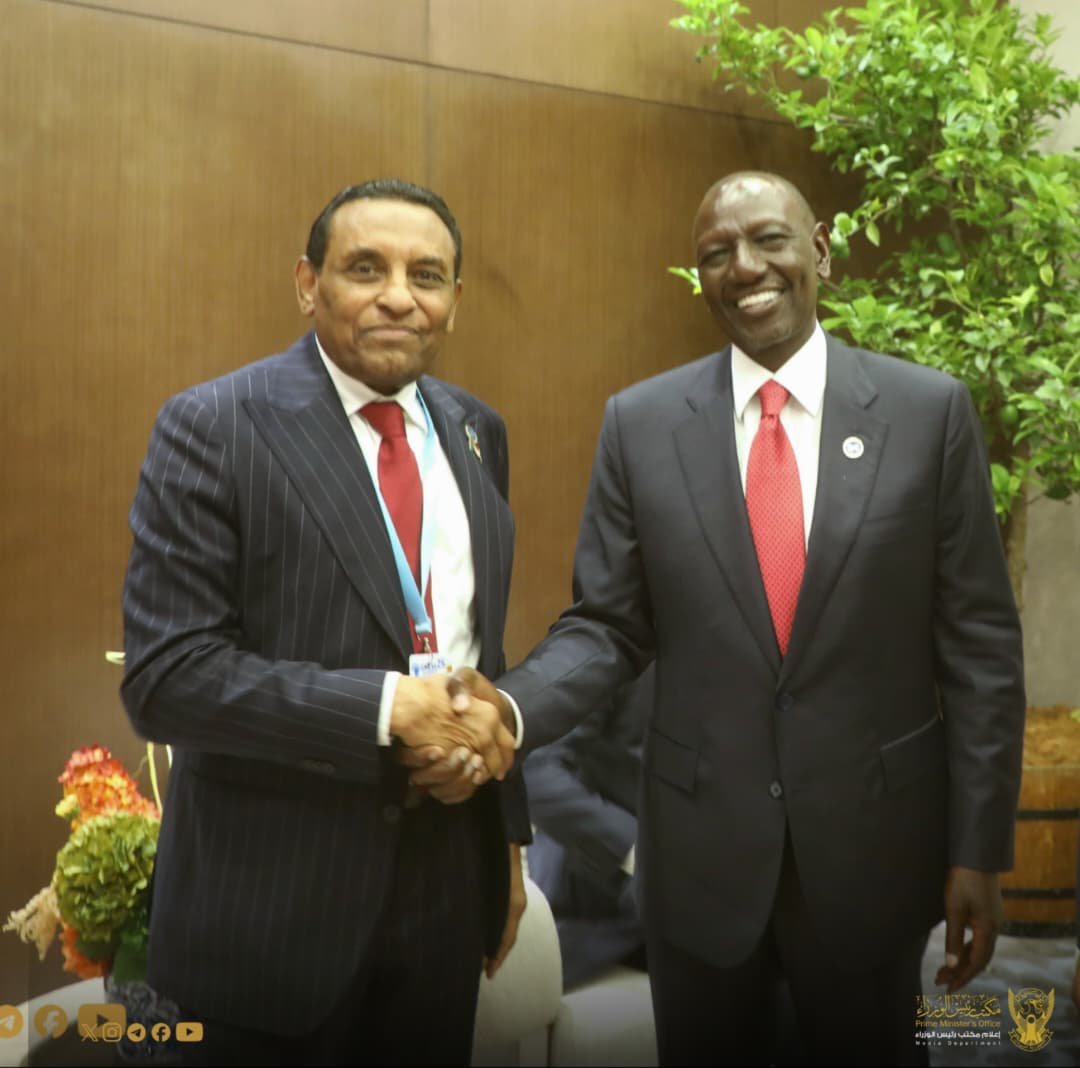
- The decision followed a meeting between Kenyan President Ruto and Sudanese Prime Minister Professor Kamil Idris.
- This high-level discussion occurred during the Common Market for Eastern and Southern Africa (COMESA) Heads of State and Government summit.
- The lifting of the ban opens renewed trade opportunities for Kenyan tea exporters in the Sudanese market.
Resumption of Trade
Legal professionals are advised to guide Kenyan tea exporters through this transition, offering counsel on renewed trade opportunities and any updated regulatory requirements or trade agreements that will govern the re-established trade channels.
Sudan has officially lifted its import prohibition on Kenyan tea, a significant development announced by Kenyan President William Ruto. This decision brings to an end an embargo that had been in place for twenty months, having been initially imposed by Sudan last year. The cessation of this trade restriction is expected to revitalize the flow of Kenyan tea into the Sudanese market, which is a key destination for the commodity.
This crucial breakthrough in Kenya-Sudan trade relations was achieved following a high-level meeting between President Ruto and Sudanese Prime Minister Professor Kamil Idris. Their discussions took place on the sidelines of the Common Market for Eastern and Southern Africa (COMESA) Heads of State and Government summit, highlighting the importance of regional diplomatic platforms in resolving bilateral trade disputes. The agreement reached during this summit paves the way for the re-establishment of a vital export channel for Kenyan agricultural products.
Impact on Regional Commerce
The twenty-month ban had a considerable impact on the Kenyan tea export market, disrupting established supply chains and affecting producers reliant on access to Sudanese consumers. The lifting of this restriction signals a positive shift, offering renewed opportunities for Kenyan tea farmers and exporters to regain their footing in a previously constrained market. This move is also indicative of strengthening economic ties within the COMESA bloc, demonstrating a commitment to fostering intra-regional trade.
The resolution of this trade impasse underscores the dynamic nature of Kenya-Sudan trade relations and the role of high-level diplomatic engagement in addressing economic challenges. The COMESA summit provided the necessary forum for leaders to address the tea ban directly, leading to an outcome that benefits both nations by promoting economic stability and cooperation. This development is keenly watched by other member states as an example of effective regional diplomacy.
Implications for Exporters
With the Sudan lifts Kenyan tea import ban, Kenyan tea exporters are now presented with a critical opportunity to re-engage with the Sudanese market. This requires a proactive approach to understand and adapt to the updated trading environment. Businesses should anticipate a period of adjustment as trade channels are fully re-established and market dynamics potentially shift following the prolonged absence.
Legal professionals are advised to guide Kenyan tea exporters through this transition, offering counsel on renewed trade opportunities and any updated regulatory requirements or trade agreements that will govern the re-established trade channels. Ensuring compliance with all relevant import regulations, customs procedures, and any new bilateral agreements will be paramount for successful re-entry into the Sudanese market and for maximizing the benefits of this lifted embargo.
Practical Implications
Lawyers should advise Kenyan tea exporters on renewed trade opportunities and any updated regulatory requirements or trade agreements for the Sudanese market following the lifting of the import ban, ensuring compliance with re-established trade channels.
Source
How does this affect you?
Get an AI analysis of this article grounded in your jurisdictions, practice areas, and any policy documents you've uploaded to Wansom.
Finish Reading the Full Story and the Expert Analysis.
Get the latest legal & regulatory intelligence in Kenya
Wansom is AI and can make mistakes.