
Kenya MPs: Quickmart Share Sale Audit Demanded Amid Investor Fears
Summary
- Kenya's National Assembly Public Investments Committee is demanding a special audit of the proposed Quickmart share sale.
- Legislators are concerned the transaction could expose Kenyan investors to financial losses and potentially lead to the supermarket's collapse.
- The Capital Markets Authority (CMA) approved the transaction, which its Chief Executive Officer Wycliffe Shamiah stated involves an existing shareholder, Adenia, seeking to exit.
- MPs criticized the CMA for allegedly failing to protect investors and for not adequately assessing Quickmart's financial health, drawing parallels to past retail failures.
- The CMA maintained that risk is inherent in capital markets and that financial protection or insurance for investors is not available.
Parliamentary Inquiry into Quickmart Share Sale
The intense parliamentary scrutiny surrounding the Kenya MPs Quickmart share sale audit underscores a growing demand for enhanced regulatory accountability and investor protection within the nation's capital markets.
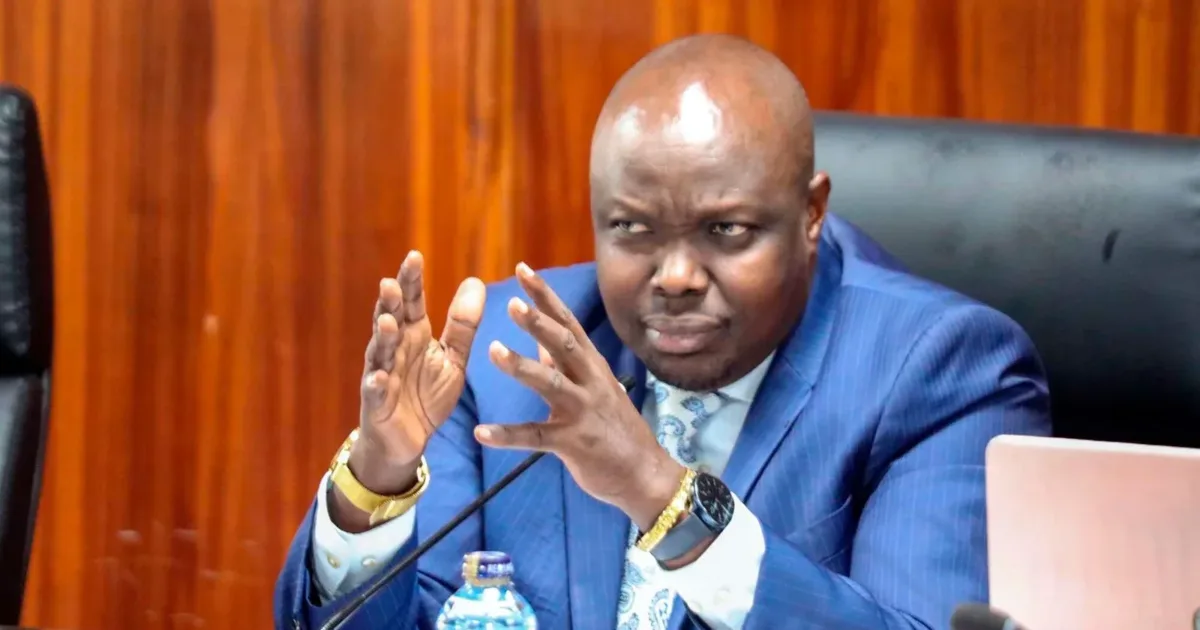
The National Assembly's Public Investments Committee on Commercial and Energy Affairs has initiated a rigorous parliamentary inquiry into the proposed Quickmart share sale, demanding a special audit to ascertain potential financial risks to Kenyan investors. Chaired by Pokot South MP David Pkosing, the committee expressed significant concerns to the Capital Markets Authority (CMA) regarding its approval of the transaction. Legislators fear the deal could facilitate the extraction of funds from the supermarket chain, potentially leading to its eventual collapse, thereby jeopardizing the investments of ordinary Kenyans.
During a recent session on November 11, the committee pressed the CMA on whether it had adequately evaluated Quickmart's financial health and implemented sufficient safeguards for those intending to acquire Quickmart supermarket shares. This scrutiny comes amidst a backdrop of past collapses of major Kenyan retail chains, including Nakumatt, Uchumi, and Tuskys, which resulted in substantial losses for investors and suppliers. The MPs are keen to prevent a recurrence of such financial distress for Kenyan investors.
Regulatory Scrutiny and Investor Protection Concerns
Kaloleni MP Paul Katana was particularly vocal in his criticism, accusing the Capital Markets Authority of failing in its duty to protect Kenyan investors. Katana asserted that the CMA had permitted questionable transactions to proceed despite the country's history of supermarket failures. He challenged the regulator to outline concrete measures taken to avert a repeat of the financial losses experienced by Kenyans following the demise of prominent retail businesses. Katana starkly claimed the CMA had "taken advantage of Kenya's ignorance," facilitating a system where individuals invest in struggling enterprises, adding that "Kenyans are crying, hurting."
The committee's apprehension extended to the possibility that the Quickmart share sale might be an elaborate scheme to recover investor funds before the business is abandoned. Chairman Pkosing directly questioned the CMA, asking if the arrangement could be designed to financially weaken the supermarket rather than offer a genuine investment opportunity. He provocatively suggested the transaction could be a form of "robbery," stating, "friendly fire kills, so even this soft robbery is robbery," and queried if the shares were being floated merely to liquidate assets before shutting down operations.
CMA's Defense and Parliamentary Rebuttal
Wycliffe Shamiah, the Chief Executive Officer of the Capital Markets Authority, defended the regulator's position, explaining that some previously collapsed supermarkets, such as Nakumatt and Tuskys, operated outside the capital markets regulatory framework because they had not offered shares to the public. He highlighted that their business models differed significantly from Quickmart's. Shamiah confirmed that the CMA had indeed approved the Quickmart share transaction, clarifying that it primarily involved Adenia, an existing shareholder, seeking to exit the business, rather than an attempt to rescue a heavily indebted retailer.
He characterized Quickmart as a small and medium-sized enterprise (SME) with a distinct financial structure compared to those retailers that had previously succumbed to debt, stating, "So we are dealing with the exit." Despite Shamiah's explanations, the committee remained unconvinced. Soy MP David Kiplagat reminded the CMA director that the committee had previously provided him with a detailed account of supermarket failures in Kenya and the critical lessons that should have informed the authority's decision-making. Kiplagat warned that the committee would find it difficult to accept the regulator's assurances unless it could demonstrate a thorough assessment of the risks associated with the transaction. The discussion also touched upon investor protection, with Pkosing inquiring whether the CMA could arrange insurance for Kenyans investing their money. Shamiah responded that such protection was unavailable, emphasizing that risk is an inherent component of capital markets, and stating, "No capital markets thrive on risks."
Implications for Regulatory Accountability
The intense parliamentary scrutiny surrounding the Kenya MPs Quickmart share sale audit underscores a growing demand for enhanced regulatory accountability and investor protection within the nation's capital markets. The National Assembly Public Investments Committee's persistent questioning of the Capital Markets Authority Wycliffe Shamiah reflects a broader concern that past failures in the retail sector, which led to significant losses for ordinary citizens, must not be repeated. This parliamentary inquiry, focusing on the CMA Quickmart share sale scrutiny, signals a potential shift towards more stringent oversight of capital market transactions, particularly those involving the exit of major shareholders like Adenia.
This ongoing Quickmart supermarket shares parliamentary inquiry highlights the critical need for regulators to demonstrate robust due diligence and transparent processes when approving share sales, especially when public confidence in investment schemes is fragile. The committee's insistence on a special audit and its skepticism regarding the CMA's assurances suggest that future capital markets transactions in Kenya will likely face heightened examination, with a strong emphasis on safeguarding the interests of Kenyan investor protection Quickmart. The outcome of this inquiry could set a significant precedent for how regulatory bodies are held accountable for their decisions concerning public investments.
Practical Implications
Lawyers advising on capital markets transactions in Kenya should anticipate increased parliamentary and regulatory scrutiny of share sale approvals, particularly concerning investor protection and financial health disclosures, potentially leading to stricter compliance requirements or policy reforms.
Source
How does this affect you?
Get an AI analysis of this article grounded in your jurisdictions, practice areas, and any policy documents you've uploaded to Wansom.
Finish Reading the Full Story and the Expert Analysis.
Get the latest legal & regulatory intelligence in Kenya
Wansom is AI and can make mistakes.