
RETRAK: Kenya Illicit Trade Crackdown Targets Supply Networks, Not Just Retail
Summary
- RETRAK urges Kenyan enforcement agencies to target illicit trade supply networks, not just retail outlets.
- Illicit cigarettes are projected to comprise 45.1% of Kenya's market by 2025, leading to significant tax losses.
- Counterfeit goods represent an average of 18% of products in surveyed sectors, including motor vehicle parts and alcoholic drinks.
- RETRAK advocates for practical tools for retailers, clear reporting channels, and visible enforcement outcomes.
- Retailers are reminded of their responsibility for supplier due diligence, invoice retention, and rejecting goods of unverified origin.
Call for Coordinated Action
Lawyers and compliance officers should advise clients, particularly those in retail and manufacturing sectors in Kenya, to review and strengthen their supply chain due diligence processes and record-keeping.
The Retail Trade Association of Kenya (RETRAK) is urging a comprehensive and unified approach to combat illicit trade, advocating for enforcement agencies to move beyond isolated seizures at retail points. Instead, RETRAK emphasizes the critical need to dismantle the intricate supply networks responsible for introducing smuggled, counterfeit, and untaxed goods into the Kenyan market. This "RETRAK illicit trade crackdown Kenya" seeks to address the root causes of the problem.
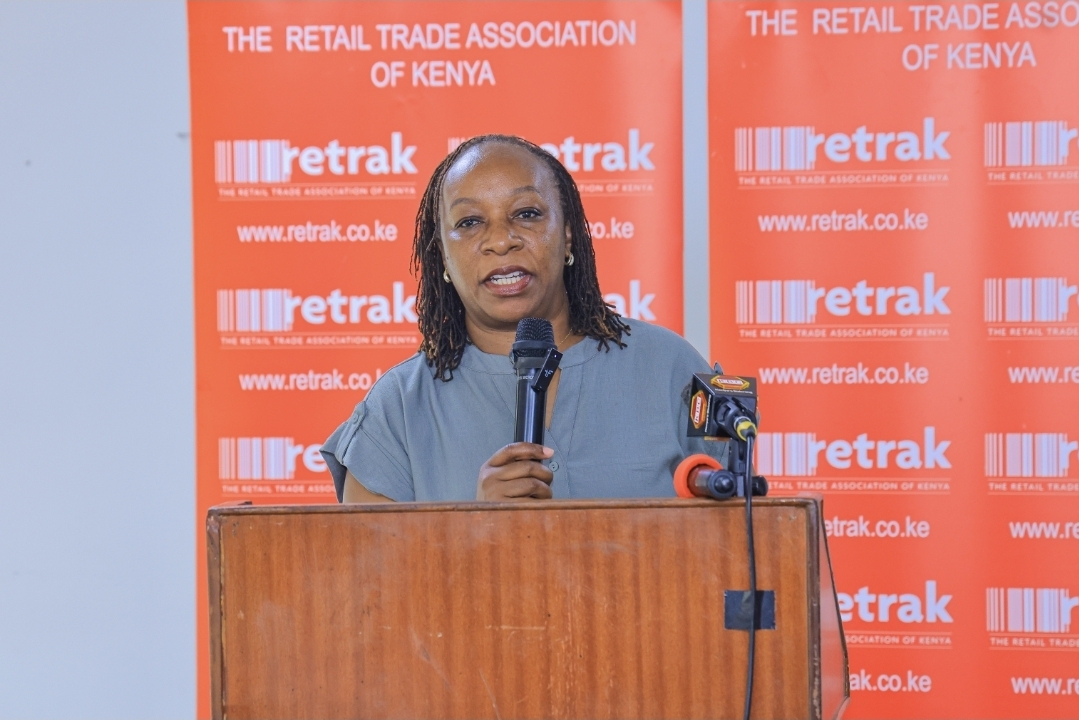
The association, representing a diverse membership of both large and small retailers, has specifically called upon the Kenya Revenue Authority (KRA), the Anti-Counterfeit Authority (ACA), the Kenya Bureau of Standards (KEBS), and the National Police Service (NPS) to develop a joint enforcement strategy. Key to this initiative is the identification of a lead agency and the publication of a clear timeline for reporting progress. RETRAK's Chief Executive Officer, Wambui Mbarire, highlighted that simply confiscating illicit products from a shop is merely the initial step; true disruption requires investigators to meticulously trace the goods back to their suppliers, storage locations, transporters, and financial backers. Following this trail, she noted, is essential for breaking up these networks and preventing future deliveries.
The Pervasive Threat of Illicit Goods
The challenge posed by illicit trade in Kenya is substantial, with recent studies underscoring its widespread impact. A Kantar study estimated that illicit cigarettes constituted a significant 45.1% of Kenya’s total cigarette market by 2025, marking a considerable increase from 34.1% in 2021. This surge is estimated to result in substantial losses in excise duty and Value Added Tax (VAT), amounting to KSh 10.2 billion in 2025 alone, and an aggregate KSh 47 billion over the five-year period from 2021 to 2025.
Beyond tobacco, figures presented to Parliament by the Anti-Counterfeit Authority reveal that illicit alcohol accounts for approximately 59% of the alcohol consumed by volume in Kenya, incurring an estimated economic cost of KSh 71 billion in 2022. Furthermore, the ACA's most recent firm-level survey indicated that counterfeit goods averaged 18% of products across the sectors examined. This included alarming rates of 21% for motor vehicle spare parts and 19% for alcoholic beverages, highlighting the broad reach of illicit trade across various consumer goods and the ongoing challenge for Kenya illicit trade enforcement.
Strengthening Enforcement and Retailer Compliance
Current enforcement efforts provide a glimpse into the scale of the problem. In the first three quarters of the 2025/26 financial year, the ACA successfully seized counterfeit goods valued at over KSh 563 million. Separately, the KRA destroyed fake and illicit products worth KSh 218 million in July and recently intercepted nearly 100 tonnes of smuggled sugar in the Lodwar and Marsabit regions. Despite these actions, RETRAK is advocating for more effective tools and processes to aid retailers in their fight against illicit goods.
The association seeks practical mechanisms for retailers to verify excise stamps and product authentication marks, alongside prompt guidance when suspicious deliveries are identified. They also call for secure and accessible channels for shop staff and the public to report suspected illicit goods, coupled with transparent information on follow-up actions. This increased pressure from RETRAK on enforcement agencies like KRA, ACA, KEBS, and NPS signals potential for heightened scrutiny, investigations, and enforcement actions against businesses involved in illicit trade networks, necessitating proactive compliance measures.
Lawyers and compliance officers should advise clients, particularly those in retail and manufacturing sectors in Kenya, to review and strengthen their supply chain due diligence processes and record-keeping. RETRAK reaffirms that retailers bear a responsibility to conduct thorough supplier due diligence Kenya retailers, maintain proper invoices, and reject any products lacking verifiable origin, thereby enhancing counterfeit goods Kenya compliance.
Broader Economic and Safety Implications
The implications of illicit trade extend far beyond lost government revenue and unfair competition. As Wambui Mbarire articulated, counterfeit alcohol poses direct threats to human lives, while fake vehicle parts can lead to serious harm. This pervasive issue undermines legitimate businesses, jeopardizes employment, and exposes consumers to dangerous and substandard products.
RETRAK emphasizes the necessity of an accountable and sustained response, rather than merely isolated raids, to ensure that investigations effectively reach the sources of illicit products and that offenders are brought to justice. The association has expressed its readiness to collaborate with regulators and enforcement bodies to develop clear guidance and awareness programs tailored for retailers of all sizes, including small traders, underscoring the collective effort required to protect consumers, legitimate enterprises, jobs, and public finances.
Practical Implications
Lawyers and compliance officers should advise clients, particularly those in retail and manufacturing sectors in Kenya, to review and strengthen their supply chain due diligence processes and record-keeping. Increased pressure from RETRAK on enforcement agencies like KRA, ACA, KEBS, and NPS signals potential for heightened scrutiny, investigations, and enforcement actions against businesses involved in illicit trade networks, necessitating proactive compliance measures.
Source
How does this affect you?
Get an AI analysis of this article grounded in your jurisdictions, practice areas, and any policy documents you've uploaded to Wansom.
Finish Reading the Full Story and the Expert Analysis.
Get the latest legal & regulatory intelligence in Kenya
Wansom is AI and can make mistakes.