
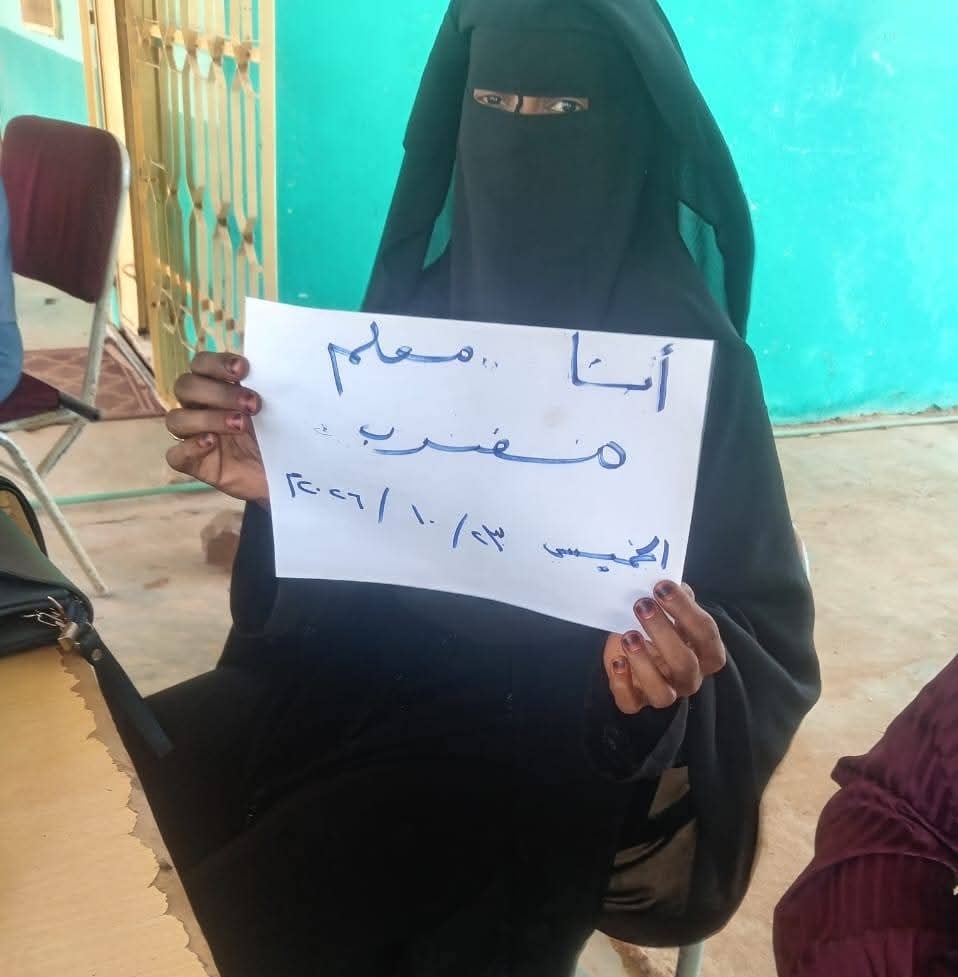
Sudan: Khartoum Teachers' Strike Continues Amid Escalation Threats
The Sudanese Teachers' Committee announced on October 22, 2026, that the teachers' strike in Khartoum State had entered its second day, with plans for escalation starting next week.
This ongoing industrial action highlights significant challenges within Sudan's public sector labour relations and the potential for widespread disruption to educational services. The strike, led by the Sudanese Teachers' Committee, is driven by demands for improved professional and living conditions for educators. Participation has reportedly increased across various localities within Khartoum, including Karrari, Bahri, and East Nile, indicating growing momentum. The committee's spokesperson, Sami Al-Baqir, confirmed intentions to escalate the strike further in the coming week and to expand its scope to other states, signaling a potentially broader national impact.
The legal significance of this development for practitioners lies in its implications for labour law, collective bargaining, and the government's regulatory response to industrial disputes. Such strikes underscore the importance of understanding the legal rights of workers to organise and engage in collective action, as well as the legal framework governing dispute resolution mechanisms, such as negotiation, mediation, or arbitration. For businesses, particularly those operating in sectors sensitive to public service stability or general economic conditions, the escalation of a major public sector strike could signal broader social unrest or economic instability, necessitating a review of operational contingencies. The outcome of this matter, including any potential legal challenges or resolutions, is not yet reported.
The legal context for this situation primarily involves Sudanese labour law, which typically grants workers the right to form unions or professional associations and to engage in strikes, often with specific procedural requirements. While the excerpt does not detail specific statutes, the actions of the Sudanese Teachers' Committee would fall under the general framework governing professional associations and their rights to advocate for their members. The government's potential responses, whether through negotiation, legal injunctions, or other administrative measures, would also be governed by relevant administrative and labour legislation. Key parties involved are the Sudanese Teachers' Committee, the striking teachers in Khartoum and potentially other states, and implicitly, the Ministry of Education and other relevant government authorities responsible for public sector employment and labour relations.
Practitioners should advise clients on the potential for continued disruptions to public services and the broader economic implications of prolonged labour unrest. It is crucial to monitor any legislative or regulatory changes that might emerge in response to the strike, as well as the progress of any negotiations or legal proceedings. Businesses should assess their exposure to such disruptions and consider contingency planning, while legal professionals should be prepared to advise on the rights and obligations of employers and employees under Sudanese labour law, particularly concerning collective action and dispute resolution.
How does this affect you?
Get an AI analysis of this article grounded in your jurisdictions, practice areas, and any policy documents you've uploaded to Wansom.
Finish Reading the Full Story and the Expert Analysis.
Get the latest legal & regulatory intelligence in Sudan
Wansom is AI and can make mistakes.