
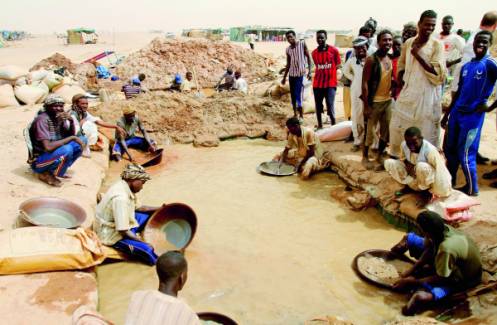
غرب كردفان: انهيار منجم الزرع يودي بحياة 67 عاملًا
Summary
- At least 67 people died in a gold mine collapse at the Al-Zar'a mine near Al-Nuhud, West Kordofan, on September 16, 2026.
- The Sudan Doctors Network reported the incident, noting the mine lacked basic safety and protection for workers.
- The network condemned negligence, stating mining in Rapid Support Forces-controlled areas poses direct risks due to absent safety measures.
- Search operations are ongoing, with fears that the death toll could increase.
- This tragedy follows recent fatal mine collapses in Northern and Eastern Sudan states, including one in July that killed about 15 miners.
Tragic Mine Collapse Claims Dozens in West Kordofan
This demand for accountability from controlling entities highlights the critical need for robust governance and enforcement of safety standards in a sector fraught with peril.
On Wednesday, September 16, 2026, a devastating gold mining pit collapse in Sudan's West Kordofan state resulted in the deaths of at least 67 individuals. The incident occurred at the Al-Zar'a mine, situated near the city of Al-Nuhud. Medical professionals, specifically the Sudan Doctors Network, reported the grim casualty figures, highlighting the severe human cost of the disaster.
Search operations are currently underway at the site, with rescuers tirelessly working to locate any survivors or individuals trapped beneath the debris. However, concerns are mounting that the death toll could tragically rise further, given the challenging conditions and the scale of the collapse. The immediate aftermath underscores the perilous environment faced by miners in the region, emphasizing the critical need for improved safety protocols in gold mining operations across Sudan.
Grave Safety Deficiencies and Regulatory Vacuum
The catastrophic collapse of the Al-Zar'a mine has brought into sharp focus the alarming absence of fundamental safety protocols and worker protection measures within Sudan's mining sector. According to the Sudan Doctors Network, the site lacked even the most basic requirements for ensuring the safety and well-being of its laborers, turning their work into a direct threat to civilian lives. This severe deficiency in safety infrastructure and oversight highlights a critical regulatory vacuum that leaves miners highly vulnerable to fatal accidents.
The network vehemently condemned the pervasive negligence that imperiled the lives of these workers. They specifically pointed out that mining operations in areas under the control of the Rapid Support Forces (RSF), such as West Kordofan, are particularly hazardous due to the profound lack of safety standards, protective equipment, and adequate rescue capabilities. This situation transforms what should be a regulated and safe industry into a high-risk endeavor, directly exposing civilians engaged in informal mining to extreme dangers without proper safeguards or accountability. The absence of effective governance in these contested territories exacerbates the risks associated with informal and unregulated gold extraction.
Urgent Calls for Accountability Amidst Recurring Tragedies
This recent disaster is not an isolated event but rather part of a disturbing pattern of similar incidents across Sudan, underscoring systemic failures in mining safety and regulation. In recent times, gold mining pits in both Northern and Eastern Sudan states have experienced collapses, including a tragic event last July in Northern State that claimed the lives of approximately 15 miners. This history points to a widespread issue within the nation's informal and often unregulated mining operations, where economic pressures frequently override safety considerations, leading to repeated loss of life.
In response to the Al-Zar'a mine tragedy, the Sudan Doctors Network has issued an urgent appeal to all relevant parties. They called for the immediate continuation of search and rescue efforts and demanded the provision of essential medical and logistical resources to manage the aftermath of the catastrophe effectively. Furthermore, the network explicitly urged the authorities controlling the region to assume their responsibilities for safeguarding both civilians and workers, advocating for an immediate halt to unregulated mining activities to prevent future recurrences of such deadly incidents. This demand for accountability from controlling entities highlights the critical need for robust governance and enforcement of safety standards in a sector fraught with peril.
Practical Implications
This incident underscores severe regulatory and safety compliance risks in Sudan's mining sector, particularly in areas under contested control. Lawyers advising mining operations or investors in the region must assess heightened liabilities, due diligence requirements for worker safety, and the potential for increased scrutiny and calls for accountability regarding illegal mining practices.
Source
How does this affect you?
Get an AI analysis of this article grounded in your jurisdictions, practice areas, and any policy documents you've uploaded to Wansom.
Finish Reading the Full Story and the Expert Analysis.
Get the latest legal & regulatory intelligence in Sudan
Wansom is AI and can make mistakes.