
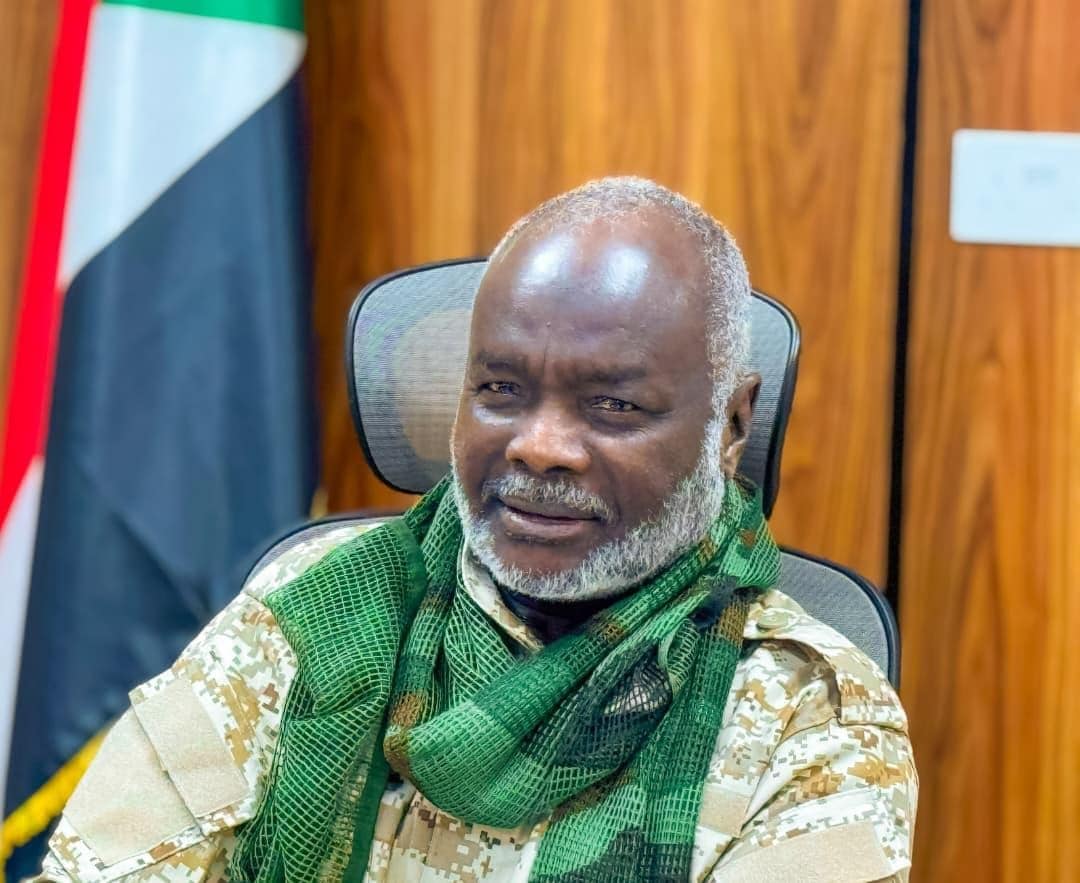
Sudan Gibril Ibrahim: Directs Tax Base Expansion Without Rate Hikes
Summary
- Sudanese Finance Minister Gibril Ibrahim directed the Tax Chamber to expand the tax base horizontally without increasing tax rates.
- The directives aim to address increasing economic pressures, including the declining value of the Sudanese pound and rising import costs.
- The government is accelerating the implementation of electronic invoicing and other digitalization projects to modernize tax collection.
- Minister Ibrahim also called for activating laws and strengthening technical linkages to combat tax evasion.
- The directives followed a monthly meeting in Khartoum reviewing the Tax Chamber's collection performance for August 2026.
Strategic Tax Directives Issued
The minister explicitly instructed the expansion of the tax umbrella to incorporate previously untaxed sectors, emphasizing a horizontal growth strategy for the tax base.
Sudanese Finance Minister Gibril Ibrahim issued comprehensive directives to the Tax Chamber (Diwan al-Dara'ib) on September 7, 2026, focusing on broadening the nation's revenue collection without increasing existing tax rates. The minister explicitly instructed the expansion of the tax umbrella to incorporate previously untaxed sectors, emphasizing a horizontal growth strategy for the tax base. This approach aims to enhance state revenues by bringing more economic activities into the formal tax system rather than burdening current taxpayers with higher percentages.
These directives followed a monthly meeting chaired by Minister Ibrahim in Khartoum on a Monday, convened to assess the collection performance of the Tax Chamber's General Department for August 2026. Key officials present included Badr al-Tamam Mohamed Saad, the Secretary-General of the Tax Chamber, and Al-Amin Abu al-Qasim, the Acting Undersecretary of Finance, alongside representatives from various specialized departments. The discussions centered on optimizing collection strategies and implementing new measures to improve fiscal efficiency.
Economic Context for Fiscal Reform
The impetus for these significant fiscal adjustments stems from the severe economic pressures currently confronting Sudanese markets. A primary factor is the persistent decline in the value of the Sudanese pound when measured against foreign currencies, which has profound implications for the national economy. This currency depreciation directly translates into a heightened cost for imports, making essential goods more expensive for the populace.
Consequently, the prices of critical commodities such as food, medicine, and fuel have seen a noticeable increase. In this challenging economic environment, the government is seeking sustainable ways to bolster its financial resources without exacerbating the cost of living for its citizens, thus making the Sudan Gibril Ibrahim tax base expansion a crucial policy. The directives reflect a strategic effort to stabilize the economy by ensuring a wider contribution to the national treasury.
Digitalization and Enhanced Enforcement
A significant component of the new fiscal strategy involves accelerating digital transformation and strengthening enforcement mechanisms to combat tax evasion in Sudan. The meeting specifically addressed the ongoing expansion of electronic invoicing implementation, a project that has already commenced in the states of Red Sea, River Nile, and Gadarif. This initiative is part of broader computerization projects and Sudan tax digitalization projects aimed at modernizing the tax system.
Further technological advancements include the launch of the "Electronic Inspector" system and a review of the status of file transfers, indicating a push towards greater transparency and efficiency. Minister Ibrahim also directed the activation of relevant laws and regulations to curb tax evasion and called for a robust technical linkage between various government financial systems. Additionally, there was a directive to expedite the maintenance and rehabilitation of damaged tax headquarters in Khartoum and other states, ensuring the provision of necessary infrastructure and solutions for the Diwan al-Dara'ib expansion.
Commendation and Future Outlook
Minister Gibril Ibrahim expressed strong commendation for the Tax Chamber's performance, acknowledging its vital role in contributing a significant portion of the national revenue under the prevailing difficult circumstances. He underscored the importance of developing more effective collection methods and reiterated the strategic imperative of expanding the tax base horizontally, rather than resorting to an increase in existing tax rates.
This approach highlights a commitment to fostering economic growth through broader participation in the tax system, aiming for long-term fiscal stability. The Gibril Ibrahim tax directives signal a clear path towards a more inclusive and technologically advanced tax administration, designed to enhance revenue generation while navigating the nation's economic challenges.
Practical Implications
Lawyers and compliance officers in Sudan should advise clients to prepare for potential new tax obligations as the government expands the tax base to previously untaxed sectors. Increased enforcement against tax evasion, coupled with the rollout of electronic invoicing and digital systems, necessitates a review of current compliance practices to mitigate risks.
Source
How does this affect you?
Get an AI analysis of this article grounded in your jurisdictions, practice areas, and any policy documents you've uploaded to Wansom.
Finish Reading the Full Story and the Expert Analysis.
Wansom is AI and can make mistakes.