
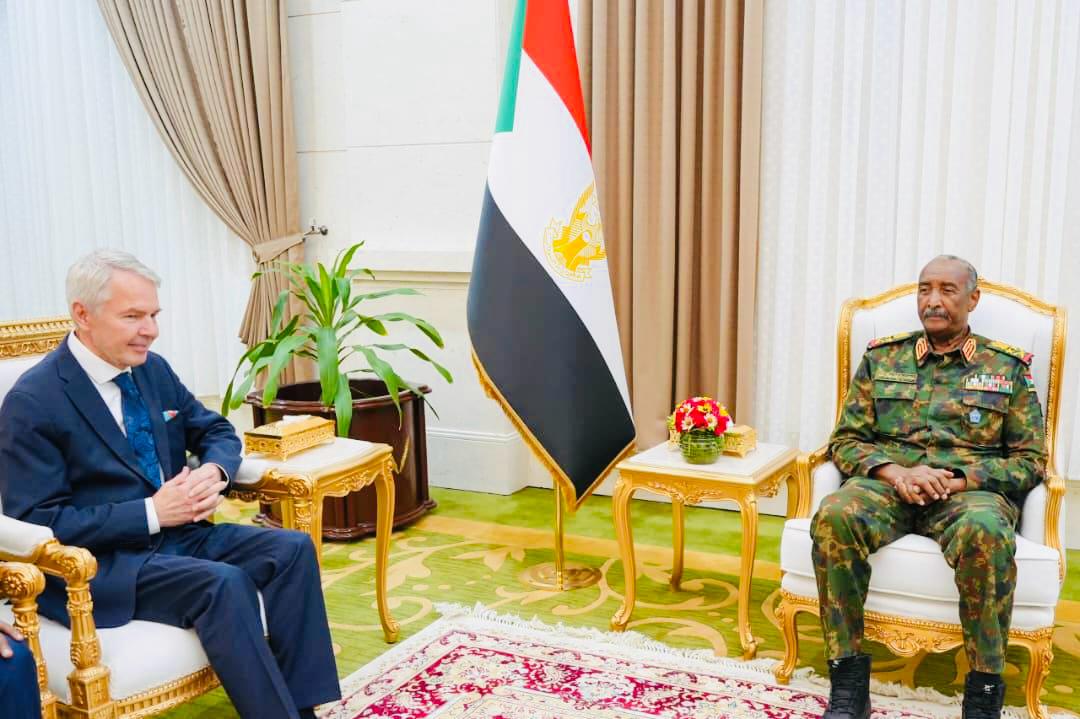
UN Envoy Sudan: Discusses Truce, Prisoner Exchange with Leadership
Summary
- UN Special Envoy Pekka Haavisto met with Sudanese leaders in Khartoum to discuss de-escalation, civilian protection, and a potential prisoner exchange.
- Haavisto emphasized dialogue as the path to a comprehensive ceasefire and sustainable peace, offering cooperation with all Sudanese parties and the Quintet.
- Sudanese Prime Minister Kamil Idris affirmed the nation's rejection of foreign intervention and commitment to national sovereignty.
- JEM leader Jibril Ibrahim opposed expanding the Darfur arms embargo to all of Sudan, citing sovereignty and the military's constitutional duties.
- The envoy expressed anticipation for continued talks on prisoner and civilian detainee exchanges, to be conducted in collaboration with the ICRC.
Diplomatic Push for De-escalation
He expressed optimism about continuing these meetings, particularly with a view towards facilitating an exchange of prisoners and civilian detainees.
UN Special Envoy Pekka Haavisto recently engaged with Sudanese leadership in Khartoum, advocating for a significant reduction in hostilities and enhanced protection for civilians. During his Sunday meetings, Haavisto held discussions with General Abdelfattah El Burhan, who serves as both the army chief and chairman of the Sovereign Council. A central point of these talks was the potential for a UN envoy Sudan truce prisoner exchange, specifically involving the release of both military and civilian detainees.
The envoy's agenda also encompassed broader efforts to ease tensions, advance ongoing consultations for dialogue, and explore viable pathways to conclude the conflict and establish lasting peace across Sudan. Haavisto underscored the critical role of dialogue as the foundation for achieving a comprehensive ceasefire and sustainable peace, expressing his readiness to collaborate closely with all Sudanese parties and stakeholders. He also committed to working alongside partners in the Quintet to foster an inclusive, integrated political process that genuinely reflects the aspirations of the Sudanese populace.
Sudanese Leadership's Stance
In separate engagements, Mr. Haavisto also met with Prime Minister Kamil Idris and Finance Minister Jibril Ibrahim, who also leads the Justice and Equality Movement (JEM). Prime Minister Idris conveyed a firm message to the UN envoy, asserting that Sudan's leadership would not compromise on national sovereignty or its inherent right to sovereign decision-making. He emphasized the nation's unequivocal rejection of any form of foreign intervention in its internal affairs.
Jibril Ibrahim echoed sentiments regarding national defense, stating that the Sudanese Armed Forces are the constitutionally mandated institution responsible for safeguarding the country's sovereignty and territorial integrity. He further articulated the JEM's opposition to proposals that would broaden the existing arms embargo, currently limited to Darfur, to encompass the entirety of Sudan. Ibrahim argued that such an expansion would infringe upon national sovereignty and impede the armed forces' capacity to fulfill their constitutional duties.
Pathways to Humanitarian Progress
During his discussions with General El Burhan, Pekka Haavisto conveyed specific messages concerning the imperative for de-escalation and robust civilian protection. He expressed optimism about continuing these meetings, particularly with a view towards facilitating an exchange of prisoners and civilian detainees. This initiative, he noted, would be undertaken in close collaboration with the International Committee of the Red Cross (ICRC Sudan prisoner exchange), highlighting the humanitarian dimension of the ongoing Sudan de-escalation talks.
The UN envoy's focus on a comprehensive ceasefire and an inclusive political process underscores the international community's push for a resolution that prioritizes human lives and long-term stability. The proposed prisoner exchange, if realized, could represent a significant step in building trust and reducing the intensity of the conflict, potentially paving the way for broader humanitarian access and further de-escalation efforts.
Challenges to Peace and Security
The JEM's strong stance against a nationwide arms embargo, as articulated by Jibril Ibrahim, reveals a key point of contention in the broader peace efforts. Ibrahim urged the United Nations to endorse and support the Sudanese dialogue initiative, advocating for its development into an inclusive, Sudanese-owned political process. He believes such a process is essential for effectively ending the war and establishing the foundations for enduring peace and a stable state.
This divergence on the arms embargo, coupled with the Sudanese leadership's firm stance on national sovereignty, illustrates the complex landscape facing peace negotiators. While international efforts, spearheaded by figures like Pekka Haavisto Sudan, aim to foster dialogue and humanitarian progress, local political and security concerns remain paramount for Sudanese stakeholders. The outcomes of these Sudan de-escalation talks will be crucial in determining the future trajectory of the conflict and the potential for lasting stability.
Practical Implications
Lawyers advising clients with operations or personnel in Sudan should closely monitor the progress of these de-escalation and prisoner exchange talks, as they could signal shifts in conflict dynamics, humanitarian access, and potential changes to international sanctions or compliance obligations related to arms and trade.
Source
How does this affect you?
Get an AI analysis of this article grounded in your jurisdictions, practice areas, and any policy documents you've uploaded to Wansom.
Finish Reading the Full Story and the Expert Analysis.
Wansom is AI and can make mistakes.