
Sudan Ministry: 224 Child Sexual Violence Cases in Sudan Conflict
Summary
- Sudan's Ministry of Human Resources and Social Welfare documented 224 cases of conflict-related sexual violence against children since April 15, 2023.
- Among the reported incidents, five girls aged 6-14 suffered severe injuries and deformities requiring multiple surgeries.
- Minister Salima Ishaq stated that these documented cases represent only a fraction of the actual abuses due to social stigma, fear, and insecurity, especially in RSF-controlled areas.
- Children in the conflict face additional risks including child marriage, trafficking, abduction, recruitment, psychological trauma, and denial of education.
- The Ministry called for enhanced prevention, community protection, safe spaces, and timely access to health services for affected children.
Documenting Atrocities
The documented cases, while alarming, represent only a fraction of the true scale of these atrocities, underscoring the profound challenges in protecting children amidst ongoing conflict.
Sudan's Ministry of Human Resources and Social Welfare officially reported on Tuesday, August 25, 2026, the documentation of 224 cases of conflict-related sexual violence against children. These harrowing incidents have occurred since the conflict began on April 15, 2023, highlighting the severe impact of the ongoing hostilities on the nation's youngest and most vulnerable population. The announcement underscores the urgent need for intervention and protection measures amidst the widespread instability.
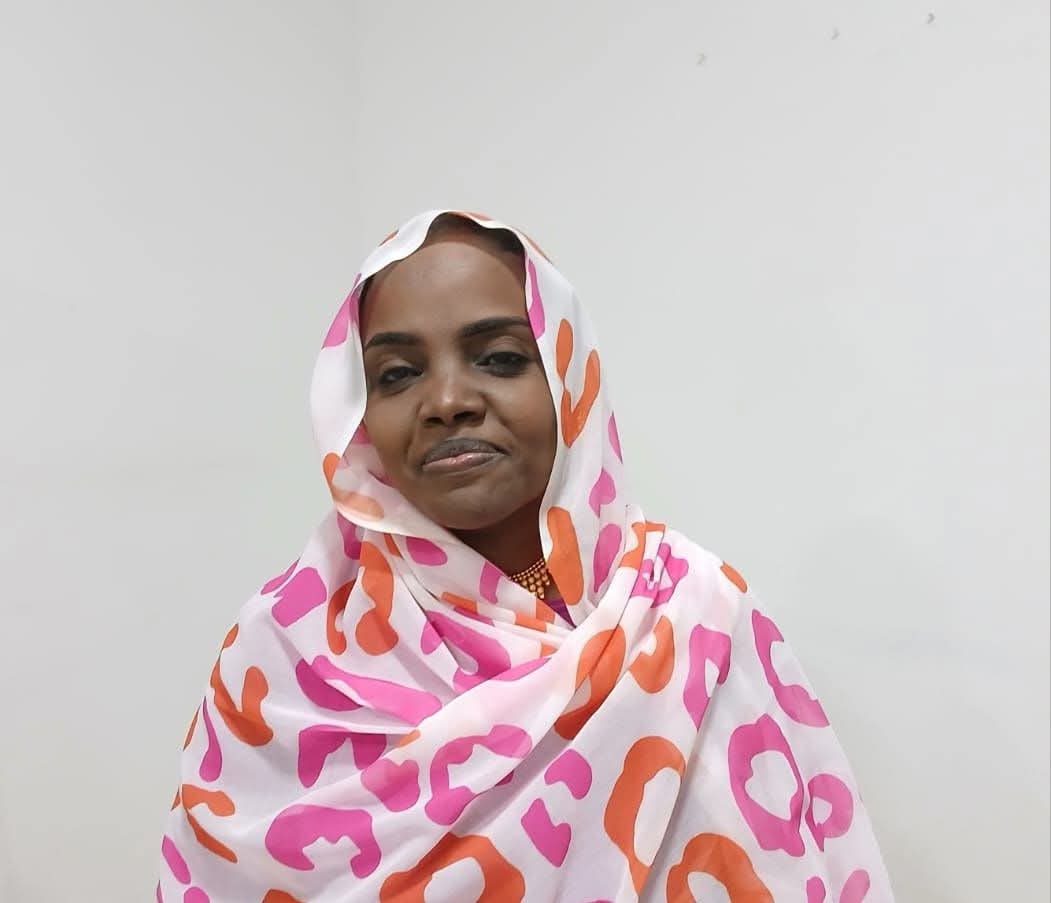
Minister of State, Salima Ishaq, confirmed the precise figure of 224 documented cases, which include both male and female children targeted during the war. Among these deeply disturbing reports, five young girls, aged between six and fourteen years, sustained severe injuries and deformities as a direct result of sexual violence. Their tender age and the nature of their wounds necessitate multiple complex surgical procedures and extensive medical care, revealing the brutal physical consequences inflicted upon child victims in the Sudan conflict 224 child sexual violence cases.
These documented violations serve as stark evidence of the devastating human cost of the conflict, particularly on children. The Sudan Ministry Human Resources Social Welfare emphasizes that such crimes reflect the profound gravity and severity of the abuses perpetrated against minors throughout the duration of the hostilities.
Widespread Harm to Children
Beyond direct sexual violence, children caught in the conflict face a multitude of severe risks. These include forced and child marriages, various forms of exploitation, sexual trafficking, abduction, and forced recruitment into armed groups. The psychological toll is immense, with many experiencing profound trauma, social stigma, and the denial of fundamental rights such as education. The conflict has also led to the fragmentation of essential family and community support networks, leaving children even more vulnerable.
Minister Ishaq cautioned that the 224 documented cases of conflict-related sexual violence Sudan represents only a small fraction of the actual scale of abuses. Numerous factors contribute to this significant underreporting, including pervasive social stigma, a legitimate fear of retaliation against victims and their families, widespread insecurity, and extreme difficulties in accessing essential services. This challenge is particularly acute in areas under the control of the Rapid Support Forces (RSF controlled areas child violence), where monitoring and aid delivery are severely hampered.
The true extent of Sudan gender-based violence children endure remains largely hidden, making comprehensive child protection Sudan conflict efforts incredibly difficult. The environment of fear and lack of access means countless victims suffer in silence, unable to receive the medical, psychological, or legal support they desperately need.
Addressing the Crisis
In response to these alarming findings, Minister Ishaq stressed the critical importance of strengthening preventative measures and community-based protection mechanisms. Her call includes the urgent establishment of safe spaces specifically designed for children, ensuring their physical and psychological security away from the immediate dangers of the conflict. Furthermore, she highlighted the necessity of guaranteeing timely and unhindered access to vital health services for all affected children, addressing both their immediate and long-term medical needs.
These recommendations are crucial for mitigating the ongoing crisis and providing a semblance of safety and care for the youngest victims. The emphasis on community involvement and accessible services aims to create a more robust support system, even as the conflict continues to rage.
Implications for Justice
The detailed documentation of 224 cases of child sexual violence in Sudan provides crucial evidence for international criminal law practitioners. This data is indispensable for assessing whether these acts constitute war crimes or crimes against humanity under international statutes. The systematic nature and severity of the reported abuses, including the specific cases of young girls suffering severe injuries, point towards potential widespread and deliberate targeting of children.
Legal professionals advising humanitarian organizations and human rights bodies can leverage this information to advocate for robust accountability mechanisms. This includes pushing for investigations into Sudan war crimes child abuse, ensuring perpetrators are brought to justice, and demanding enhanced child protection strategies. Ultimately, the goal is to improve access to justice for victims, offering them a path towards redress and recovery, and to deter future atrocities against children in conflict zones.
Practical Implications
This report documents severe conflict-related sexual violence against children in Sudan, providing crucial evidence for international criminal law practitioners assessing potential war crimes or crimes against humanity. Lawyers advising humanitarian organizations or human rights bodies should leverage this data to advocate for accountability, enhanced child protection, and improved access to justice for victims.
Source
How does this affect you?
Get an AI analysis of this article grounded in your jurisdictions, practice areas, and any policy documents you've uploaded to Wansom.
Wansom is AI and can make mistakes.