
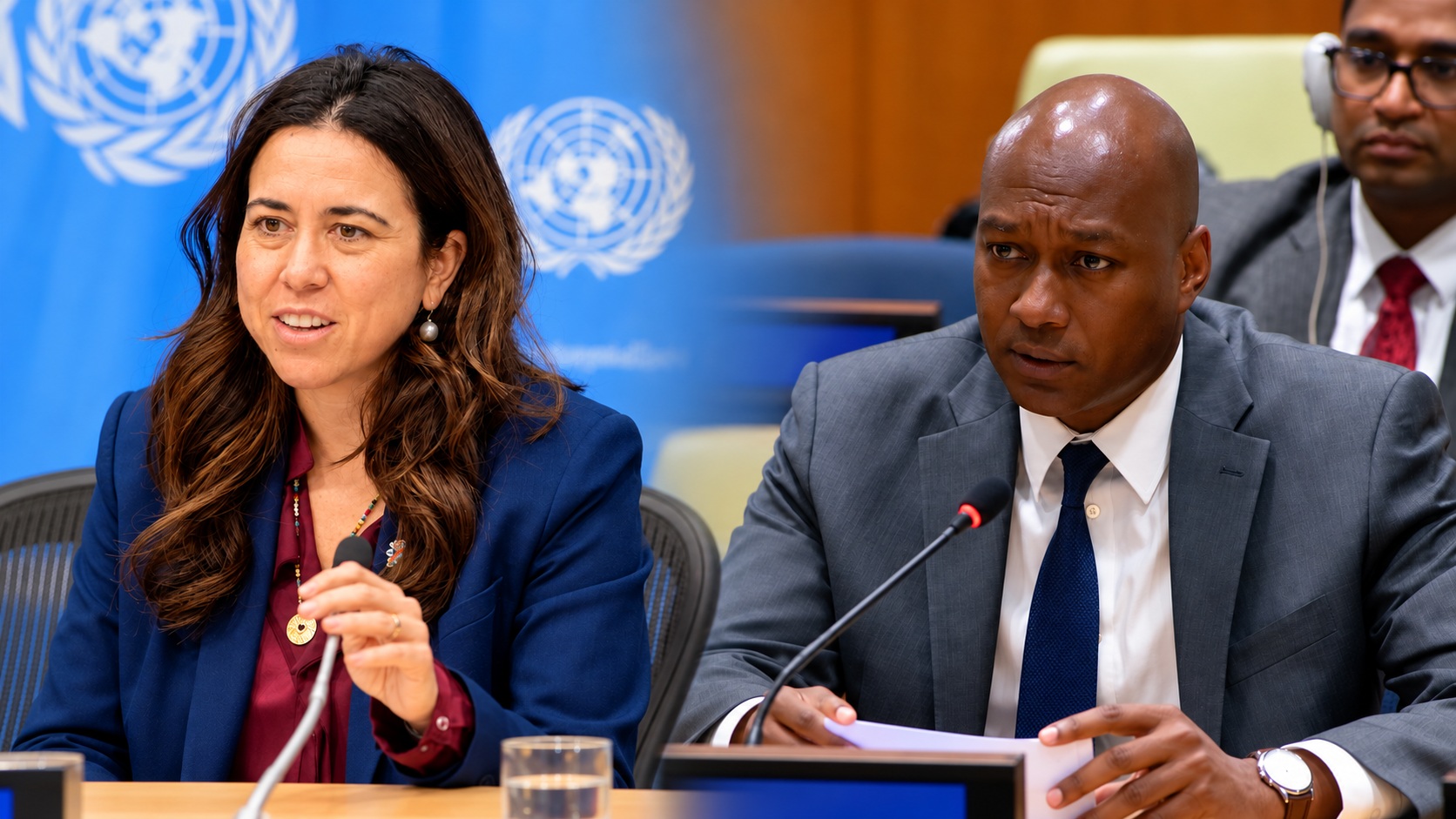
Sudan Challenges Lana Nusseibeh UN Candidacy Over UAE Arms Allegations
Summary
- Sudan formally objected to the UAE's nomination of Lana Nusseibeh for UN Secretary-General on October 28, 2026, in New York.
- Sudan's representative, Ammar Mohammed Mahmoud, questioned Nusseibeh's independence, citing her past denial of UN investigation findings.
- Mahmoud demanded Nusseibeh support an independent inquiry into allegations that the UAE supplied weapons to the RSF, used in atrocities against Sudanese civilians.
- These alleged atrocities include genocide, mass rape, and sexual violence against Sudanese women and girls.
- Sudan argued that the UN Secretary-General must earn the trust of victims, not just governments, emphasizing moral credibility as a core requirement.
What Happened
He asserted that moral credibility is an indispensable prerequisite for the role, suggesting that a candidate's perceived impartiality, especially when their nominating state is implicated in severe human rights abuses, is paramount.
On October 28, 2026, in New York, Sudan formally registered its opposition to the United Arab Emirates' nomination of Lana Nusseibeh for the position of UN Secretary-General. This significant "Sudan challenges Lana Nusseibeh UN candidacy" moment occurred during an interactive dialogue session hosted by the UN General Assembly, where Nusseibeh presented her vision for leading the international body. The objection centered on profound questions regarding Nusseibeh's independence from her home government, particularly given her past actions, which included denying findings from previous United Nations investigations.
Lana Nusseibeh, who previously served as the UAE's permanent representative to the UN for many years before her appointment as a Minister of State in the Ministry of Foreign Affairs, was put forward by the UAE for the top UN role. During the session, Ammar Mohammed Mahmoud, a Counselor from Sudan's Permanent Mission to the UN, directly confronted Nusseibeh. He specifically inquired about her willingness to demonstrate her autonomy from the Emirati government by supporting an independent international inquiry into serious allegations. These allegations claim that the UAE has supplied the Rapid Support Forces (RSF) with weapons and equipment, which have reportedly been used in committing grave crimes and atrocities against Sudanese civilians.
Mr. Mahmoud underscored the severity of these alleged actions, stating that they amount to genocide. He highlighted specific atrocities, including mass rape and sexual violence perpetrated against Sudanese women and girls. The "RSF arms allegations UAE" form the core of Sudan's challenge, directly linking the nominee's government to actions that have caused immense suffering.
Legal and Ethical Scrutiny
The "UAE UN nomination Sudan objection" raises critical questions about the fundamental "UN Secretary-General independence criteria." Ammar Mohammed Mahmoud's intervention went beyond mere political disagreement, delving into the moral legitimacy required for such a high office. He articulated a powerful argument, questioning how Sudanese victims could possibly place their trust in the independence and neutrality of a prominent individual whose government faces accusations of supporting the very entities responsible for the crimes committed against them.
Mahmoud emphasized that the Secretary-General of the United Nations must command the confidence of victims of conflicts and violations, not solely the trust of member states. He asserted that moral credibility is an indispensable prerequisite for the role, suggesting that a candidate's perceived impartiality, especially when their nominating state is implicated in severe human rights abuses, is paramount. The call for an independent international investigation into the alleged arms supply to the RSF is not merely a procedural request but a demand for accountability that directly impacts the ethical standing of any potential "Lana Nusseibeh UN Secretary-General" appointment.
The allegations of genocide, mass rape, and sexual violence against Sudanese civilians are not only deeply disturbing but also carry significant weight under international law. Sudan's challenge effectively places these grave accusations at the forefront of the selection process, demanding that the General Assembly consider the implications of appointing a leader whose nation is implicated in such serious charges, thereby intensifying scrutiny on the candidate's capacity for unbiased leadership.
Why It Matters
The "Sudan challenges Lana Nusseibeh UN candidacy" incident carries substantial implications for the future of international appointments and the United Nations' credibility. This direct challenge underscores the growing demand for transparency and accountability, particularly when a candidate's nominating state is embroiled in controversies involving human rights and international law. The scrutiny on "Lana Nusseibeh UN Secretary-General" independence criteria will likely set a precedent for how future candidates are evaluated, pushing for a more rigorous assessment of their ability to act impartially and uphold the UN's founding principles.
This objection also highlights the persistent allegations against the UAE regarding its alleged support for the RSF, which could influence future international legal actions, investigations, or diplomatic relations concerning the conflict in Sudan. The call for an independent international investigation, voiced by "Ammar Mohammed Mahmoud UN," signals a strong intent from Sudan to pursue accountability for the alleged atrocities. Should these allegations gain further traction, they could lead to increased pressure for sanctions compliance and human rights investigations, potentially impacting the UAE's international standing.
Ultimately, this challenge reinforces the critical importance of the UN Secretary-General's role as a voice for the voiceless and a guardian of international peace and security. The insistence that the Secretary-General must earn the trust of victims, not just governments, reflects a broader sentiment that the UN's leadership must embody unimpeachable moral authority and independence to effectively address global crises and uphold justice.
Practical Implications
Lawyers advising on international appointments, human rights, or sanctions compliance should note the intensified scrutiny on candidate independence and the persistent allegations against the UAE regarding support for the RSF, which could influence future international legal actions, investigations, or diplomatic relations concerning the conflict in Sudan.
Source
How does this affect you?
Get an AI analysis of this article grounded in your jurisdictions, practice areas, and any policy documents you've uploaded to Wansom.
Finish Reading the Full Story and the Expert Analysis.
Wansom is AI and can make mistakes.