
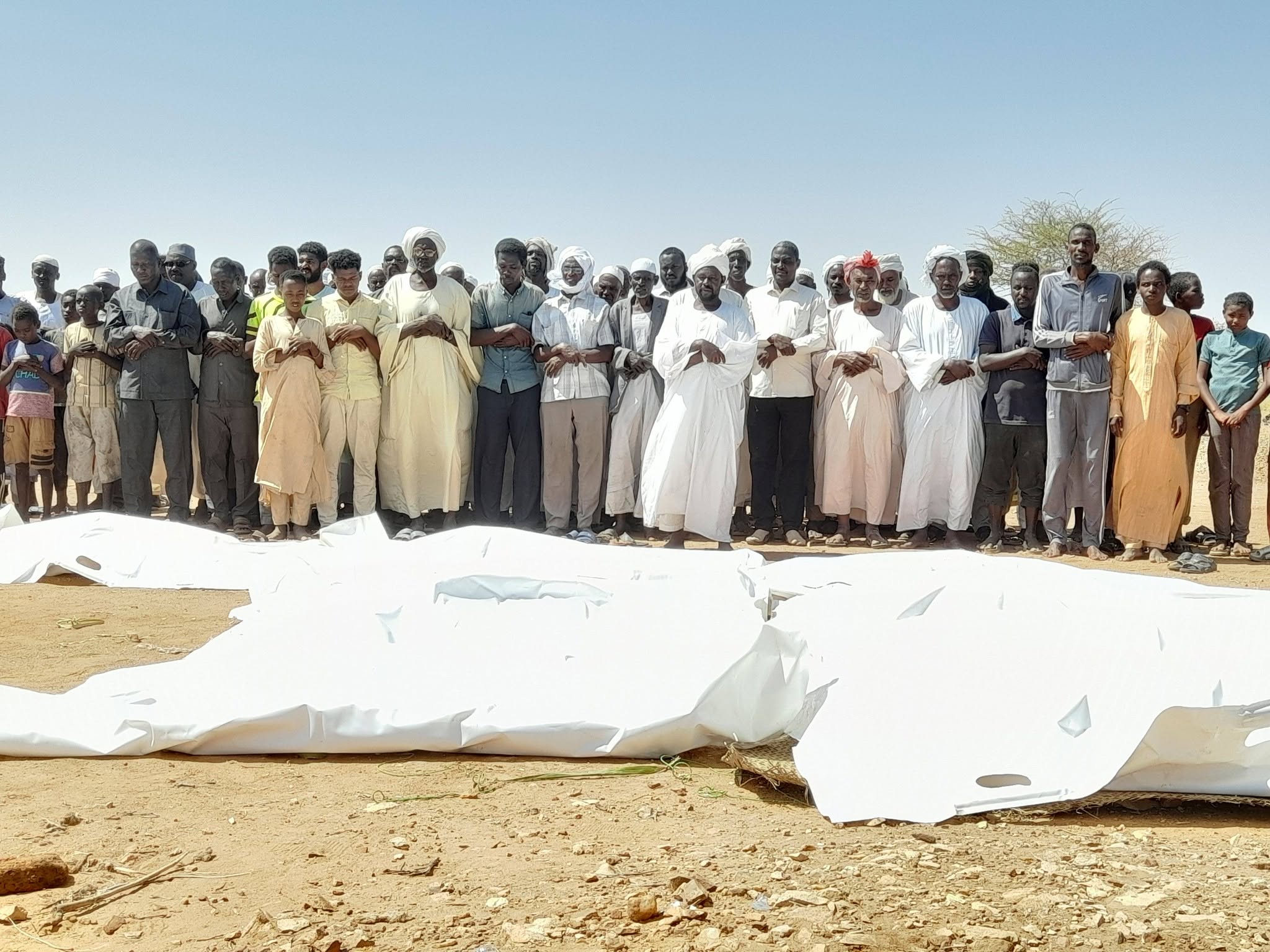
South Darfur Market Strike Toll Disputed: 188 Dead vs. 36 Bodies Received by MSF
On Monday evening, a drone strike by the Sudanese Armed Forces on the Dumaya market in Nyala, South Darfur, resulted in a significant loss of civilian life and numerous injuries, with Médecins Sans Frontières (MSF) reporting 36 bodies received and the Tasees government's health ministry reporting a much higher toll of 188 deaths. This incident, which also reportedly targeted a residential neighbourhood, involved the use of drones against a crowded civilian area, leading to casualties with shrapnel wounds and severe burns, and follows a similar attack on Nyala’s livestock market earlier in October. The discrepancy in casualty figures between MSF and the Tasees government remains unresolved, underscoring the challenges in verifying information in active conflict zones.
This event carries profound legal significance for practitioners, particularly in the realm of international humanitarian law (IHL) and international criminal law. The alleged targeting of a market and residential areas, which are unequivocally civilian objects, raises serious questions about adherence to the principles of distinction and proportionality, fundamental tenets of IHL. Attacks on civilian infrastructure and populations are strictly prohibited under the Geneva Conventions and their Additional Protocols, which mandate that parties to a conflict must at all times distinguish between combatants and civilians, and between military objectives and civilian objects. The high number of civilian casualties, including women and children, and the nature of the injuries, suggest a potential disregard for these principles, which could constitute war crimes under the Rome Statute of the International Criminal Court, especially given the existing UN Security Council referral of the situation in Darfur to the ICC.
The legal context for this incident is primarily governed by International Humanitarian Law, specifically the Geneva Conventions of 1949 and their Additional Protocols, which apply to both international and non-international armed conflicts. Key principles violated could include Article 48 of Additional Protocol I (Principle of Distinction), Article 51 (Protection of the Civilian Population), and Article 52 (Protection of Civilian Objects), as well as similar provisions in Additional Protocol II relevant to non-international armed conflicts. The Rome Statute of the International Criminal Court, though Sudan is not a state party, defines war crimes such as intentionally directing attacks against the civilian population or civilian objects, and the UN Security Council's 2005 referral of the Darfur situation to the ICC means that such incidents could fall under its jurisdiction. The key parties involved include the Sudanese Armed Forces as the alleged perpetrator, MSF as a humanitarian organisation providing aid and reporting on the incident, the Tasees government's health ministry, and the civilian population of Nyala as the victims. The Sudan Liberation Movement also reported the deaths of family members of one of its members.
For attorneys and legal professionals, this incident serves as a critical reminder of the ongoing violations of IHL in Sudan and the potential for accountability mechanisms. Practitioners advising governments, international organisations, or businesses operating in conflict zones must be acutely aware of the legal frameworks governing armed conflict and the severe consequences of non-compliance. It is imperative to monitor investigations into such incidents, as they contribute to the body of evidence for potential war crimes prosecutions. Businesses, in particular, should conduct thorough human rights due diligence and risk assessments to avoid complicity in or association with such abuses, and to ensure the safety of their personnel and operations. The explicit condemnation by MSF of attacks on markets underscores the humanitarian imperative to protect civilians and essential infrastructure, which should guide all parties' conduct and legal strategies in conflict-affected regions.
How does this affect you?
Get an AI analysis of this article grounded in your jurisdictions, practice areas, and any policy documents you've uploaded to Wansom.
Finish Reading the Full Story and the Expert Analysis.
Wansom is AI and can make mistakes.