
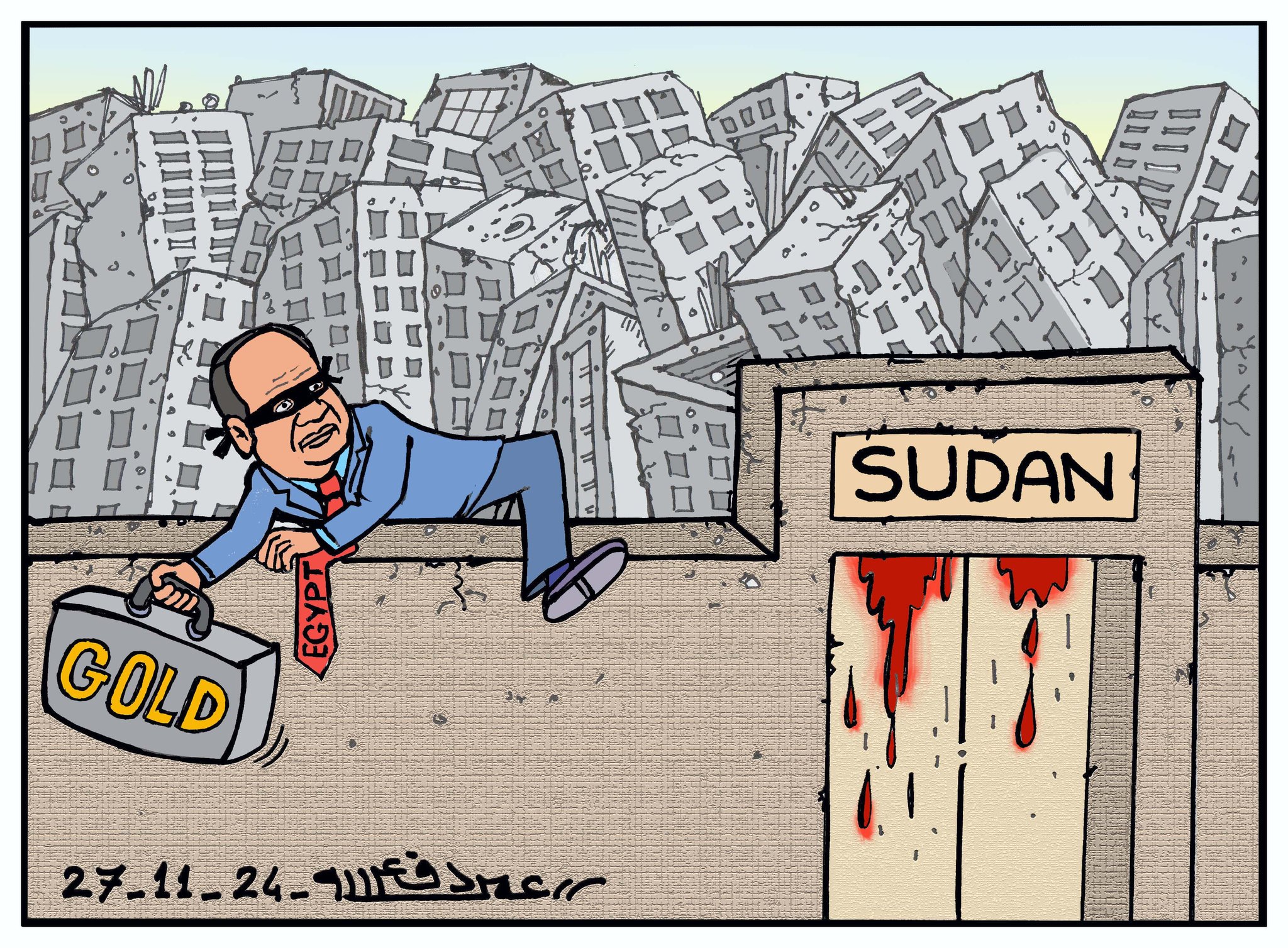
Sudan Gold Exporters: Central Bank Gold Export Rules Fuel Smuggling
Summary
- Sudan's Gold Exporters Division accuses influential actors of diverting billions in gold revenue from official channels, contributing to the weakening Sudanese pound.
- The nation produces over 70 tonnes of gold annually, valued at an estimated $8 billion, but only about $2 billion reportedly reaches the state treasury.
- Mining companies are threatening to halt production from October 1 due to a dispute over the Central Bank's gold purchasing and pricing mechanism.
- The Central Bank of Sudan recently amended rules for gold derived from mining waste, allowing companies more flexibility in sales and foreign currency retention, but requiring bank approval for exports.
- Critics warn that current policies and weak oversight are exacerbating Sudan's economic crisis, potentially leading to increased living costs and deteriorating public services.
Escalating Concerns Over Sudan's Gold Wealth
The head of the Gold Exporters Division warned that weak oversight and flawed economic policies could further deepen the nation's crisis, leading to increased living expenses and a decline in essential services like healthcare and education for citizens.
Sudan's Gold Exporters Division has raised serious allegations, accusing powerful figures of diverting the nation's gold resources through unofficial channels. This alleged illicit trade is reportedly costing the country billions of dollars in potential revenue annually, contributing significantly to the ongoing depreciation of the Sudanese pound.
Abdelmoneim Siddig, who heads the Gold Exporters Division, highlighted the stark disparity between Sudan's gold production and the revenue reaching state coffers. While the country produces more than 70 tonnes of gold each year, valued at an estimated $8 billion, only approximately $2 billion of this wealth is reportedly accounted for by the state treasury. Siddig emphasized that gold could be a crucial asset in addressing Sudan's economic crisis and securing much-needed foreign currency, but influential entities are allegedly circumventing formal export processes.
The Gold Exporters Division specifically pointed to the Central Bank of Sudan, claiming its practice of purchasing gold at elevated prices inadvertently incentivizes exports outside official channels. This, Siddig argued, places additional pressure on the Sudanese pound. He explained that gold smuggled out of the country becomes a vital source of foreign currency for various groups, including travelers, students, and those seeking medical treatment abroad. The rising prices of gold in this informal market, he noted, directly contribute to an increase in the dollar's value against the local currency, further weakening the pound.
Siddig issued a stark warning that a combination of inadequate oversight and flawed economic policies risks deepening the current crisis. He cautioned that citizens would ultimately bear the brunt of these issues through escalating living expenses and a deterioration in essential public services, such as healthcare and education. He criticized government institutions for seemingly prioritizing short-term dollar acquisition over the broader, long-term economic consequences, suggesting such an approach would only exacerbate the nation's challenges.
Mining Sector Confronts Central Bank Policies
These accusations from the Gold Exporters Division coincide with an intensifying dispute between Sudan's mining companies and the government regarding the Central Bank's gold purchasing and pricing mechanism. The Union of Mining Companies in Sudan has escalated its grievances, threatening to cease all gold production starting October 1.
The union asserts that the current system for buying, valuing, and settling payments for their gold output makes it exceedingly difficult for companies to meet their financial and operational commitments. While acknowledging the state's legitimate right to regulate the mining sector and collect its due revenues, the producers firmly reject the existing framework.
At the heart of the dispute is the methodology employed by the Central Bank to acquire gold from companies, determine its market value, and process payments. Mining companies are advocating for a revised mechanism that more accurately reflects both the economic value of gold and the actual costs associated with its production, aiming for a more equitable and sustainable operational environment.
Central Bank Adjusts Regulations for Mining Waste Gold
In response to mounting pressure, particularly from companies involved in processing mining waste, the Central Bank of Sudan recently introduced amendments to its gold export rules. This regulatory shift followed a collective warning from 23 companies in the mining waste sector, which had indicated a plan to gradually suspend production by the end of September, leading to a complete halt in October.
The updated regulations now provide greater flexibility for companies extracting gold from mining waste. These firms are now permitted to sell their entire gold output to the Central Bank, to other authorized buyers, or directly to exporters. Furthermore, the new rules allow these companies to retain their export proceeds in foreign currency for a period of up to 21 working days.
This retained foreign currency can then be utilized for essential operational imports or to fulfill other approved financial obligations. However, the Central Bank has also implemented a new control measure, instructing commercial banks not to process any gold exports originating from mining waste companies unless they have received explicit written approval from the Central Bank itself, confirming that all other stipulated requirements have been met.
Economic Instability and Compliance Challenges
The ongoing disputes and regulatory adjustments underscore a period of significant economic instability in Sudan, with profound implications for the nation's financial health and the operational landscape for gold exporters and mining companies. The alleged diversion of gold wealth and the Central Bank's purchasing policies are directly linked to the weakening Sudanese pound and the broader economic crisis.
The head of the Gold Exporters Division warned that weak oversight and flawed economic policies could further deepen the nation's crisis, leading to increased living expenses and a decline in essential services like healthcare and education for citizens. This environment necessitates heightened vigilance for legal counsel advising mining companies and gold exporters in Sudan.
Advisors must thoroughly review the Central Bank's amended gold export rules and gain a comprehensive understanding of the implications arising from the ongoing dispute over purchasing and pricing mechanisms. Ensuring compliance and proactively mitigating operational risks are paramount in this rapidly evolving regulatory landscape, which signals potential instability and intensified scrutiny on all gold transactions.
Practical Implications
Legal counsel for mining companies and gold exporters in Sudan must review the Central Bank's amended gold export rules and understand the implications of the ongoing dispute over purchasing and pricing mechanisms to ensure compliance and mitigate operational risks. This situation highlights potential regulatory instability and increased scrutiny on gold transactions, requiring proactive advisory for clients.
Source
How does this affect you?
Get an AI analysis of this article grounded in your jurisdictions, practice areas, and any policy documents you've uploaded to Wansom.
Finish Reading the Full Story and the Expert Analysis.
Get the latest legal & regulatory intelligence in Sudan
Wansom is AI and can make mistakes.