
Sudan Central Bank: Gold Export Review Targets Pricing, Remittances
Summary
- The Central Bank of Sudan held a meeting on November 2, 2026, to address challenges in the gold export sector.
- Discussions focused on rectifying imbalances in export proceeds and enhancing sector efficiency.
- Key topics included developing a flexible gold pricing mechanism based on international rates.
- The meeting also reviewed transfer limits for export proceeds to improve foreign currency flow.
- Participants emphasized diversifying gold export markets and developing regulatory frameworks.
Central Bank Initiates Gold Export Review
A central focus of the deliberations was the critical issue of gold pricing, with attendees emphasizing the urgent need to develop a more flexible and equitable mechanism.
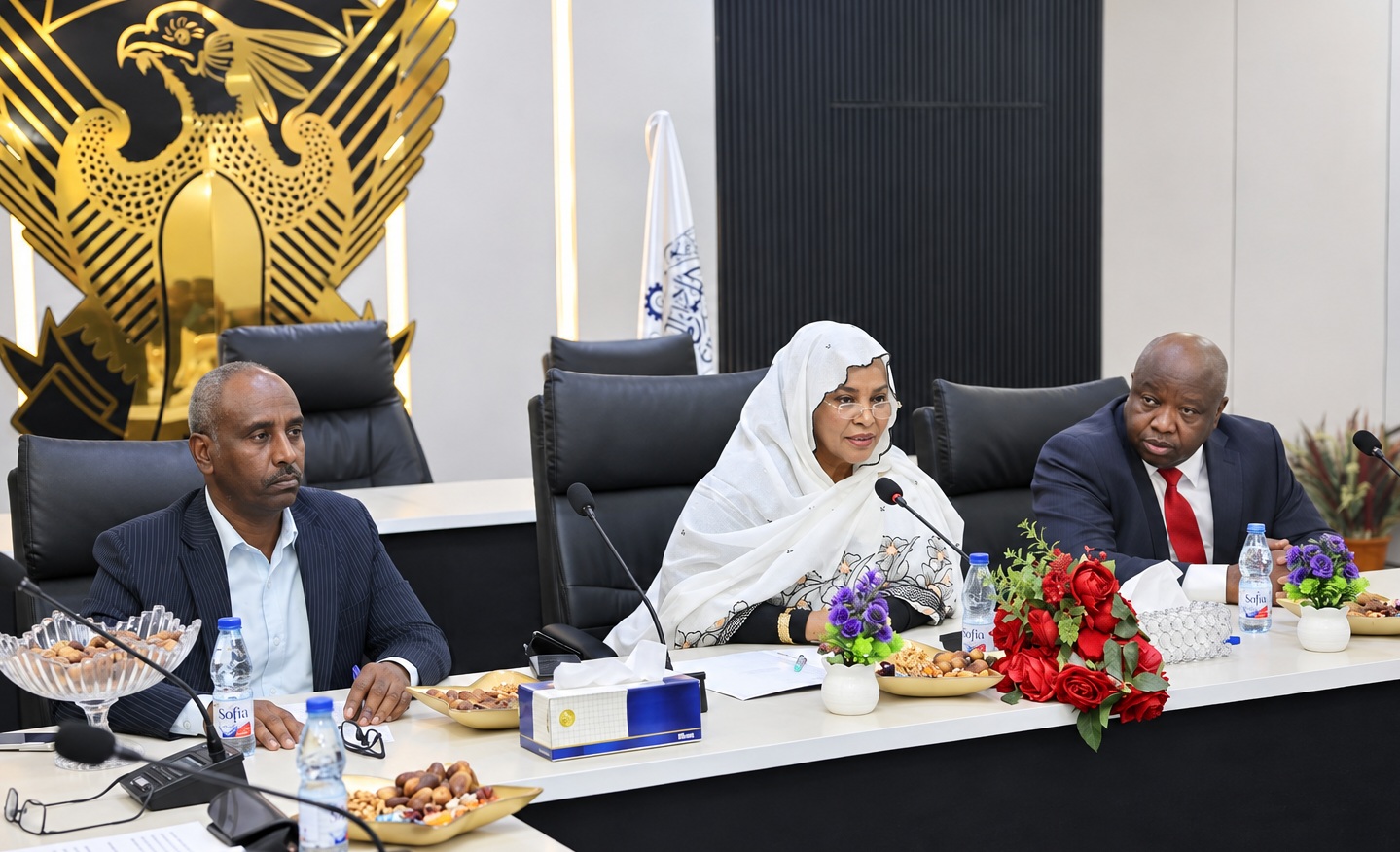
The Central Bank of Sudan (CBS) convened an extensive meeting on Monday, November 2, 2026, bringing together key stakeholders to address systemic issues within the nation's gold export sector. Chaired by Governor Amna Mirghani Hassan Al-Toumi, the discussions involved a broad spectrum of participants, including the Minister of Minerals, representatives from the Gold Export Window, and the Sudanese Standards and Metrology Organization. Also present were delegates from private companies actively engaged in gold export, alongside various security and regulatory bodies pertinent to the industry.
The primary objective of this high-level gathering was to confront the significant challenges currently impacting the sector and to rectify existing imbalances, particularly concerning the repatriation of export proceeds. Participants delved into the core problems faced by exporters, exploring potential solutions aimed at enhancing the overall efficiency of operational procedures and strengthening the regulatory controls governing the gold trade. The overarching goal was to strike a crucial balance between the state's public interest and the commercial interests of both gold producers and exporters, ultimately seeking to boost export revenues and maximize the country's foreign currency resources.
Regulatory Framework Under Scrutiny
A central focus of the deliberations was the critical issue of gold pricing, with attendees emphasizing the urgent need to develop a more flexible and equitable mechanism. This new pricing structure is envisioned to be firmly anchored to international market rates, ensuring that the state, the Central Bank of Sudan, and private companies, as well as individual exporters, all achieve fair and rewarding returns. This move signals a significant potential shift in Sudan gold export regulations, aiming for greater transparency and market alignment.
Furthermore, the meeting thoroughly examined the existing ceilings and restrictions placed on the transfer of gold export remittances. The objective here is to streamline these processes, thereby improving the consistent flow of foreign currency through official channels. This review of transfer limits forms a key part of the broader Sudan Central Bank gold export review, indicating a proactive approach to optimizing financial operations within the sector. The discussions also underscored the importance of reviewing and developing the overarching regulatory frameworks and legislation that govern the gold industry, which could lead to new Sudan gold export policy changes and impact Sudan gold mining compliance requirements.
Expanding Market Reach and Economic Impact
Beyond internal regulatory adjustments, participants also highlighted the strategic importance of diversifying Sudan's gold export markets. The discussions centered on the necessity of opening new international destinations for Sudanese gold, a move designed to broaden access to global markets and mitigate the risks associated with over-reliance on a limited number of buyers. This expansion strategy is expected to enhance the negotiating power of Sudanese exports on the international stage.
The collective efforts discussed at the meeting are geared towards a comprehensive overhaul that not only addresses immediate operational hurdles but also positions Sudan to better leverage its valuable gold resources. By fostering a more robust and transparent export environment, the Central Bank and its partners aim to significantly increase the nation's foreign exchange earnings, contributing to overall economic stability and growth. The proposed changes reflect a commitment to optimizing the gold sector's contribution to the national economy, benefiting all stakeholders from miners to the national treasury.
Practical Implications
Lawyers advising clients in Sudan's gold export sector should monitor upcoming announcements from the Central Bank regarding revised pricing mechanisms, transfer limits, and regulatory frameworks. These changes could significantly impact operational compliance, financial reporting, and export strategies for gold producers and exporters, necessitating a review of current practices to ensure adherence to new requirements.
Source
How does this affect you?
Get an AI analysis of this article grounded in your jurisdictions, practice areas, and any policy documents you've uploaded to Wansom.
Wansom is AI and can make mistakes.