
Sudan: Boycotts UN Crime Conference in UAE Over RSF Support
Summary
- Sudan boycotted the UN crime prevention conference hosted by the UAE on September 26, 2026.
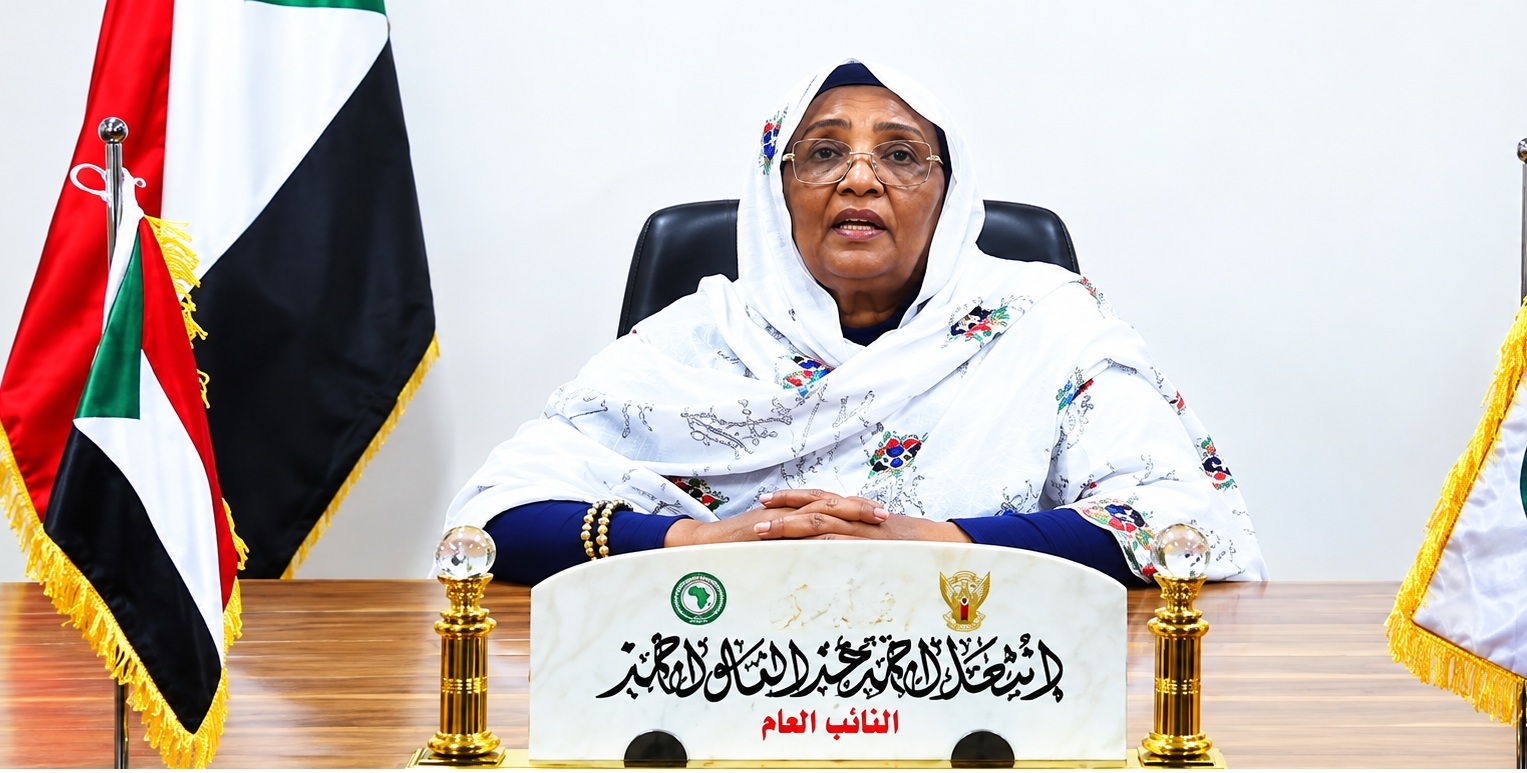
- Sudan's Prosecutor General, Intisar Abdel Aal, delivered a recorded speech accusing the UAE of direct involvement in the Sudanese war.
- The accusation includes providing direct support and advanced weapons to the Rapid Support Forces (RSF) and prolonging the conflict.
- Sudan asserts its stance is based on legal, ethical, and international criminal justice principles, not merely political dispute.
- Khartoum has formally classified the UAE as an aggressor state due to its alleged actions.
What Happened
This development signals Sudan's formal legal accusation against the UAE for alleged support of the RSF, potentially impacting international legal accountability, sanctions, and diplomatic relations.
Sudan officially boycotted the United Nations crime prevention conference held in the United Arab Emirates on September 26, 2026. Instead of sending a delegation, the nation opted to participate through a pre-recorded address delivered by its Prosecutor General, Intisar Abdel Aal. This unusual form of engagement served to articulate Sudan's strong objections to the UAE hosting such an international gathering, while simultaneously reiterating its formal accusation that Abu Dhabi is deeply implicated in the ongoing conflict within Sudan.
In a public statement, Sudan's Public Prosecution confirmed that Ms. Abdel Aal's recorded speech explicitly declared Sudan's rejection of the UAE as the host for this significant international forum. This move underscores a deepening diplomatic rift, as Sudan leverages a global platform to challenge the UAE's role in its internal affairs. The decision to boycott the UN Congress on Crime Prevention Sudan, while still delivering a message, highlights the gravity with which Khartoum views the situation.
Legal and Ethical Grounds
Sudan's principled stance against the UAE hosting the UN crime prevention conference is rooted in a comprehensive set of legal, ethical, and moral considerations. The nation argues that the integrity of international forums necessitates a host country whose actions align with the very objectives and principles these institutions are designed to uphold. Central to this argument is the imperative to safeguard the rule of law and adhere strictly to the foundational tenets of the United Nations Charter.
The Sudanese government has been clear that it does not perceive this issue as a mere political disagreement. Instead, it frames the matter as a direct challenge to the fundamental principles of international criminal justice. This perspective emphasizes the global community's collective responsibility to foster respect for legal frameworks and to ensure accountability for those who perpetrate crimes and violations. The accusation of UAE international law violations Sudan thus takes on a critical dimension within the context of global justice.
Allegations Against the UAE
A core component of Sudan's formal complaint centers on specific allegations of direct material support provided by the United Arab Emirates to the Rapid Support Forces (RSF). Prosecutor General Intisar Abdel Aal explicitly stated that the UAE's actions have not only directly aided the RSF but have also significantly contributed to the protracted nature of the war in Sudan. This alleged Abu Dhabi support Rapid Support Forces is further accused of exacerbating widespread violations of both international law and international humanitarian law.
Sudan maintains that it possesses substantial evidence to substantiate its claims, asserting that the UAE has continuously supplied advanced weaponry to the RSF. Furthermore, Khartoum alleges that the UAE has extended political cover to the paramilitary group, effectively shielding it from international scrutiny and consequences. In light of these grave accusations, Sudan has formally classified the UAE as an aggressor state, marking a severe escalation in the Sudan UAE conflict international justice landscape.
International Context and Significance
The UN Congress on Crime Prevention and Criminal Justice, which the UAE hosted, saw participation from representatives of 119 nations, including more than 40 justice ministers and numerous other high-ranking officials. Sudan's decision to boycott this prominent gathering, while simultaneously using it as a platform to level serious charges against the host nation, sends a powerful message to the international community. This public accusation, delivered by Intisar Abdel Aal UN crime prevention, places the alleged UAE involvement squarely on the global agenda.
This development signals Sudan's formal legal accusation against the UAE for alleged support of the RSF, potentially impacting international legal accountability, sanctions, and diplomatic relations. The incident highlights the complex interplay between national sovereignty, international legal obligations, and the conduct of states in regional conflicts. Sudan's move to accuse the UAE supporting RSF at such a high-profile event underscores its commitment to seeking international justice for the ongoing crisis.
Practical Implications
This development signals Sudan's formal legal accusation against the UAE for alleged support of the RSF, potentially impacting international legal accountability, sanctions, and diplomatic relations. Lawyers advising clients with interests in the region or involved in international trade should monitor for potential international criminal justice actions or sanctions against entities implicated in supporting conflict parties in Sudan.
Source
How does this affect you?
Get an AI analysis of this article grounded in your jurisdictions, practice areas, and any policy documents you've uploaded to Wansom.
Finish Reading the Full Story and the Expert Analysis.
Get the latest legal & regulatory intelligence in Sudan
Wansom is AI and can make mistakes.