
Al-Burhan Appoints Musa Mohamed Ahmed: Advisor to Sovereign Council
Summary
- Abdel Fattah al-Burhan appointed Musa Mohamed Ahmed as an advisor to Sudan's Transitional Sovereign Council.
- Ahmed's new role carries the rank of a federal minister and includes responsibility for the East Sudan Development and Reconstruction Fund.
- This appointment occurred on November 10, alongside the dismissal of Kassala State Governor Al-Sadiq Al-Azraq and the naming of Rashad Abdel Hamid as his successor.
- Musa Mohamed Ahmed previously led the Eastern Front, an armed movement that signed a peace agreement with the Sudanese government in 2006.
- Following the 2006 peace agreement, Ahmed served for many years as an aide to former President Omar al-Bashir.
What Happened
The Al-Burhan advisor appointment of a former Bashir aide Musa Ahmed, who also led an armed movement, to such a pivotal role could influence future policy directions, regulatory frameworks, and overall political risk, especially for stakeholders with interests in the stability and economic progress of East Sudan.
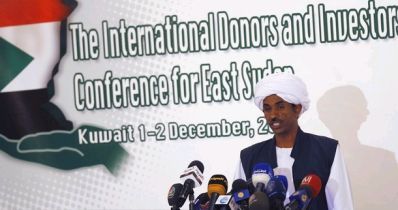
Abdel Fattah al-Burhan, Chairman of Sudan's Transitional Sovereign Council, recently appointed Musa Mohamed Ahmed to a significant advisory role within the council. The decision, made on November 10 and reported on November 11, designates Ahmed as an advisor with the rank of a federal minister. In addition to this high-level position, he has been entrusted with the crucial responsibility of overseeing the East Sudan Development and Reconstruction Fund. This move by Al-Burhan appoints Musa Mohamed Ahmed to a key position impacting regional development.
This appointment was announced alongside other notable changes in regional leadership. On the same day, Al-Burhan issued a decree removing Major General (Retired) Al-Sadiq Al-Azraq from his post as Governor of Kassala State. Lieutenant General Rashad Abdel Hamid, who previously served as the Inspector General of the Armed Forces, was subsequently named as Al-Azraq's replacement, indicating a broader reshuffling of administrative and military leadership.
Historical Context of the Appointee
Musa Mohamed Ahmed brings a long and complex history of political engagement and leadership, particularly within East Sudan, to his new advisory role. He is recognized as a prominent political figure from the region, having previously served as the head of the Beja Congress. Ahmed's influence grew significantly when he led the Eastern Front, an armed movement established in 2005. This front was a coalition comprising the Beja Congress and the Free Lions Movement, which collectively engaged in an armed rebellion against the then-central government. Their primary demand was to address the profound political, economic, and social marginalization experienced by the region.
A pivotal moment in Ahmed's career occurred in 2006 when, representing the Eastern Front, he signed the East Sudan Peace Agreement with the Sudanese government. This landmark accord was formalized in Asmara, Eritrea, and outlined provisions for power and wealth sharing, alongside critical security arrangements. These security measures included the integration of Eastern Front combatants into the nation's regular forces and the establishment of a dedicated fund for the development and reconstruction of the states in East Sudan. Following the implementation of this agreement, Musa Mohamed Ahmed assumed the position of an aide to the former President, Omar al-Bashir, a role he maintained for an extended period.
Why It Matters
The appointment of Musa Mohamed Ahmed to the Sudan Sovereign Council advisor position, particularly with the rank of a federal minister, carries substantial implications for Sudan's political landscape and regional governance. His direct involvement in the Sovereign Council suggests a strategic move to integrate a figure with deep historical ties to a formerly rebellious region into the highest echelons of transitional authority. This decision could signal a renewed focus on addressing long-standing grievances and development needs in East Sudan, a region historically marked by marginalization.
Furthermore, entrusting Ahmed with the East Sudan Development Fund places him at the helm of critical resource allocation and project implementation for the area. This responsibility is directly linked to the peace agreement he helped broker years ago, underscoring the ongoing commitment, or at least the intention, to fulfill its developmental promises. The Al-Burhan advisor appointment of a former Bashir aide Musa Ahmed, who also led an armed movement, to such a pivotal role could influence future policy directions, regulatory frameworks, and overall political risk, especially for stakeholders with interests in the stability and economic progress of East Sudan.
Practical Implications
The appointment of Musa Mohamed Ahmed, a former Bashir aide and leader of an armed movement, to a ministerial-level advisory role and his responsibility for the East Sudan Development Fund, signals potential shifts in governance and resource allocation. Lawyers advising clients with interests in Sudan, particularly in development, infrastructure, or regional stability, should monitor these high-level appointments for implications on policy, regulatory frameworks, and political risk, especially concerning the East Sudan region.
Source
How does this affect you?
Get an AI analysis of this article grounded in your jurisdictions, practice areas, and any policy documents you've uploaded to Wansom.
Finish Reading the Full Story and the Expert Analysis.
Get the latest legal & regulatory intelligence in Sudan
Wansom is AI and can make mistakes.