
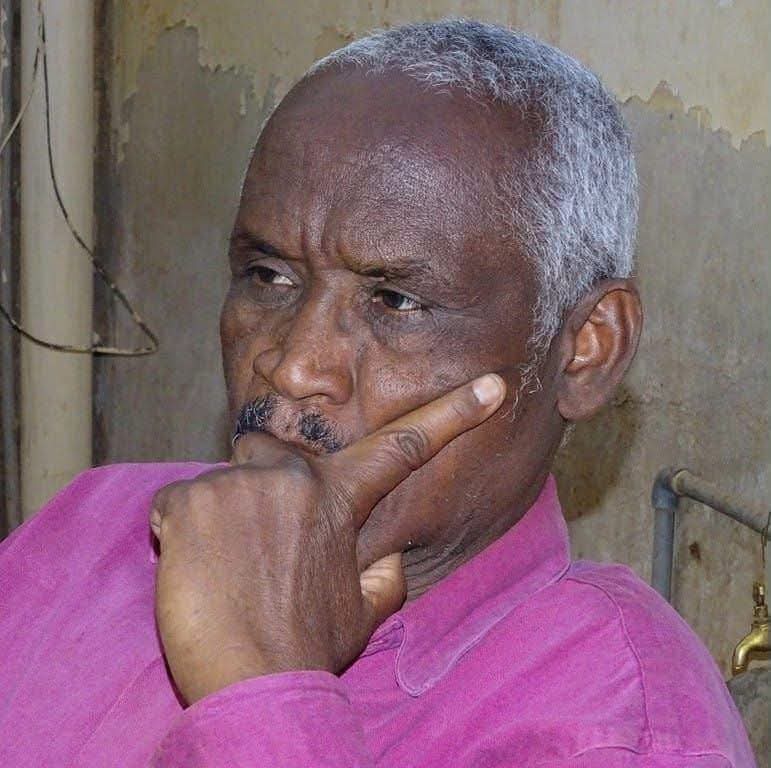
Sudan High Court: Qasheesh Awad Detained Under Cybercrimes Law
Summary
- Journalist Qasheesh Awad was arrested by Sudanese authorities on August 13, allegedly for publishing content that sparked a complaint from an intelligence official.
- The arrest is part of ongoing concerns about restrictions on press freedom in Sudan and the use of laws related to publication and information crimes to silence journalists.
- Critics argue that the Law Combating Cybercrimes of 2018 is overly broad and can be used to suppress dissenting opinions, raising concerns among lawyers and compliance officers.
Journalist Qasheesh Awad Arrested in Sudan
The syndicate views the arrest as an infringement on press freedom and the public's right to information, urging that any legal proceedings against journalists must adhere to constitutional, legal, and international standards for fair trial.
On August 13, journalist Qasheesh Awad was detained by a team of criminal investigators from the Nile State Police in Barabra, Sudan. According to the Sudanese Journalists Syndicate, Awad was taken into custody on the basis of a complaint filed by an official from the General Intelligence Service under the Law Combating Cybercrimes of 2018. The arrest comes amidst ongoing concerns raised by the syndicate regarding restrictions on press freedom in Sudan, particularly the use of laws related to publication and information crimes to prosecute journalists for published content or opinions.
The syndicate stated that Awad was detained at around 8 pm on August 13 and has yet to be questioned or released on bail. No court dates have been set for his appearance before a prosecutor or the initiation of an investigation into his case. The syndicate views the arrest as an infringement on press freedom and the public's right to information, urging that any legal proceedings against journalists must adhere to constitutional, legal, and international standards for fair trial.
Legal Context: Information Crimes Law
The Sudanese government has come under scrutiny for its use of the Law Combating Cybercrimes of 2018, which repealed the previous Computer Crime Act of 2007 and has been amended multiple times since, including in 2020, 2022, and with a new draft amendment approved in October 2025. Critics argue that this law is overly broad and can be used to silence journalists who report on sensitive topics or express dissenting opinions. The syndicate has repeatedly called for the repeal of this law, citing its restrictive nature and potential impact on press freedom. As a signatory to international human rights agreements, including the International Covenant on Civil and Political Rights and the African Charter on Human and Peoples' Rights, Sudan is obligated to respect individual freedoms, including freedom of expression and information.
The use of this law has raised concerns among lawyers and compliance officers, who should be aware of its potential implications for journalists reporting on sensitive topics. The arrest of Qasheesh Awad serves as a stark reminder of the risks faced by journalists in Sudan.
Why It Matters
The arrest of journalist Qasheesh Awad highlights the ongoing challenges to press freedom in Sudan. As the country continues to navigate its transition towards democracy, it is essential that the government respects and protects the rights of journalists to report freely without fear of reprisal. The use of laws like the Law Combating Cybercrimes of 2018 can have a chilling effect on media outlets and individual journalists, limiting their ability to hold those in power accountable for their actions.
The international community should take note of Sudan's obligations under human rights agreements and urge the government to uphold its commitments to press freedom and transparency.
Practical Implications
Lawyers and compliance officers should be aware of the potential for journalists to be arrested under Sudan's information crimes law, which may impact their ability to report on sensitive topics.
Source
How does this affect you?
Get an AI analysis of this article grounded in your jurisdictions, practice areas, and any policy documents you've uploaded to Wansom.
Wansom is AI and can make mistakes.