
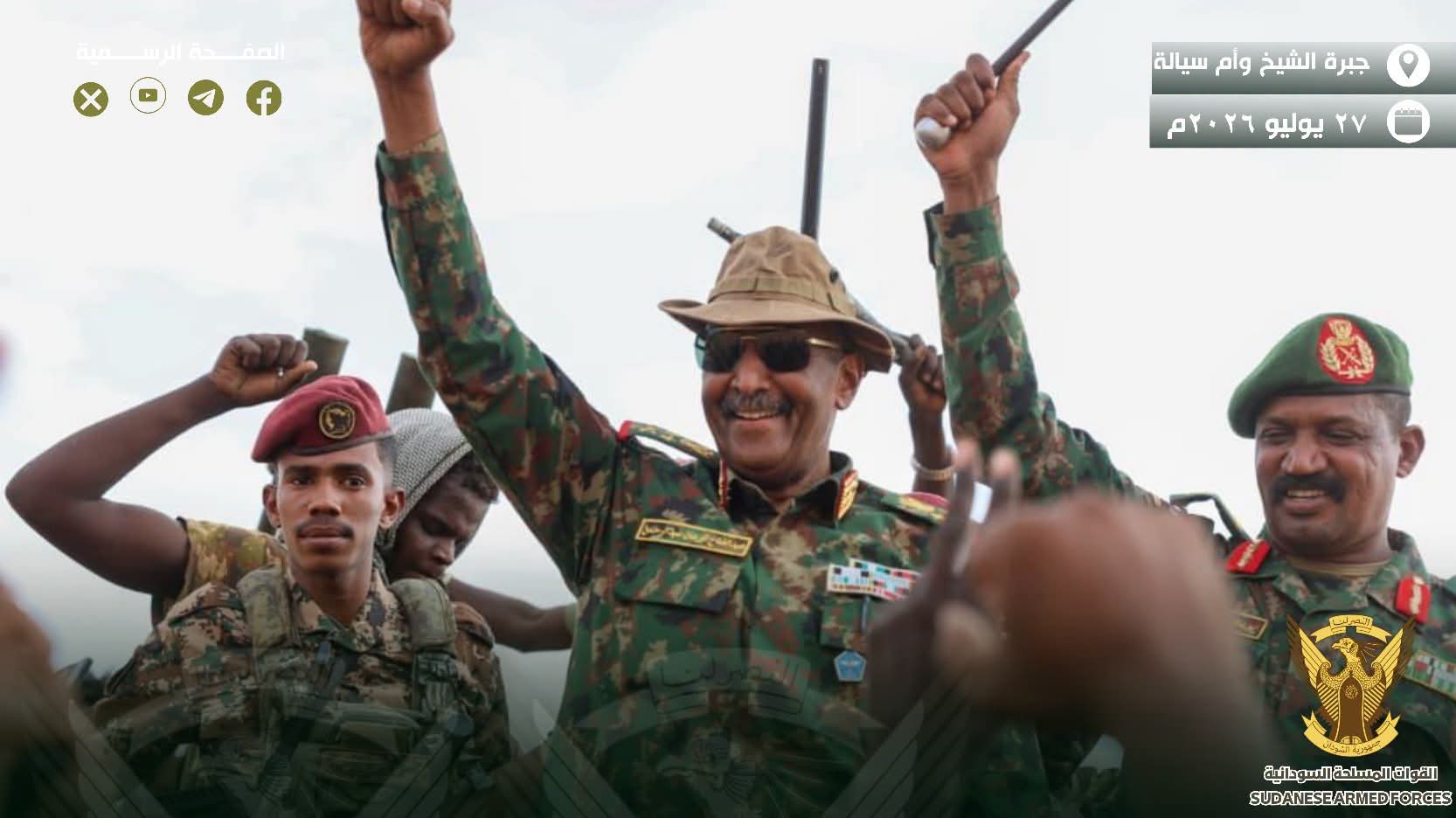
Sudanese Armed Forces: Gen Abdelfattah El Burhan Calls for Dialogue Amid Presidential Amnesty Plans
Summary
- Sudanese Armed Forces chief Gen Abdelfattah El Burhan has called for dialogue inside Sudan.
- Reports emerge of a forthcoming presidential amnesty that could drop charges against leaders of Somoud and other civilian activists.
- Mixed reactions from political forces and civil society organizations, with some rejecting the idea of a presidential amnesty as a distortion of peaceful political activity being criminalized.
- The proposed presidential amnesty raises questions about the role of military leaders in Sudan's transition to civilian rule.
What Happened
The measures taken against them were political in origin and had no basis to begin with. Our position in Somoud is clear: we support justice and accountability for all — holding to account those who started the war, those who profited from it, and everyone who committed crimes against innocent people, and handing over those wanted to the International Criminal Court.
Sudanese Armed Forces (SAF) chief Gen Abdelfattah El Burhan has called for dialogue inside Sudan, sparking widespread reaction among political forces and civil society organizations. The call comes as reports emerge of a forthcoming presidential amnesty that could drop charges against leaders of Somoud and other civilian activists. Kamal Omar, political secretary of the Popular Congress Party, expressed support for internal dialogue but emphasized that its purpose must be to end the war and include all parties in the conflict.
Reactions have been mixed, with some rejecting the idea of a presidential amnesty as a distortion of peaceful political activity being criminalized. Hanan Hassan, a lawyer and human rights activist, categorically rejected any pardon or amnesty from the current authorities, instead advocating for her acquittal through law and justice rather than political concessions.
The Somoud Alliance has also weighed in, stating that initiatives calling for amnesty for civilian forces have turned facts on their head. The alliance emphasized its commitment to justice and accountability for all parties involved in the conflict.
Legal Context
The proposed presidential amnesty raises questions about the role of military leaders in Sudan's transition to civilian rule. Lawyers and compliance officers should be aware of the ongoing debate on this issue, as it may impact the country's judicial system and human rights situation. The amnesty could potentially drop charges against leaders of Somoud and other civilian activists, but critics argue that this would legitimize the status quo and undermine efforts towards justice and accountability.
The Sudanese Congress Party has warned against embracing calls for dialogue that coincide with military escalation and rejection of ceasefires. The party emphasizes that ending the war must be at the top of any political process's agenda, linked to humanitarian and security tracks, and avoiding legitimizing the status quo.
In contrast, some have expressed support for internal dialogue as a means to end the war and create conditions for a transition to civilian rule. However, these efforts are complicated by the complex circumstances created by the conflict.
Why It Matters
The proposed presidential amnesty and calls for dialogue inside Sudan have significant implications for the country's judicial system and human rights situation. Lawyers and compliance officers should be aware of these developments, as they may impact their work in Sudan. The ongoing debate on the role of military leaders in the transition to civilian rule also highlights the need for a robust and independent judiciary.
The Somoud Alliance's commitment to justice and accountability for all parties involved in the conflict is a crucial aspect of any lasting peace. This requires the establishment of independent and impartial judicial institutions, rather than relying on political tools that lack legitimacy. As Sudan navigates its transition to civilian rule, it is essential to prioritize justice, accountability, and human rights.
Practical Implications
Lawyers and compliance officers should watch for potential changes in Sudan's political landscape, which may impact the country's judicial system and human rights situation. They should also be aware of the ongoing debate on the role of military leaders in Sudan's transition to civilian rule.
Source
How does this affect you?
Get an AI analysis of this article grounded in your jurisdictions, practice areas, and any policy documents you've uploaded to Wansom.
Wansom is AI and can make mistakes.